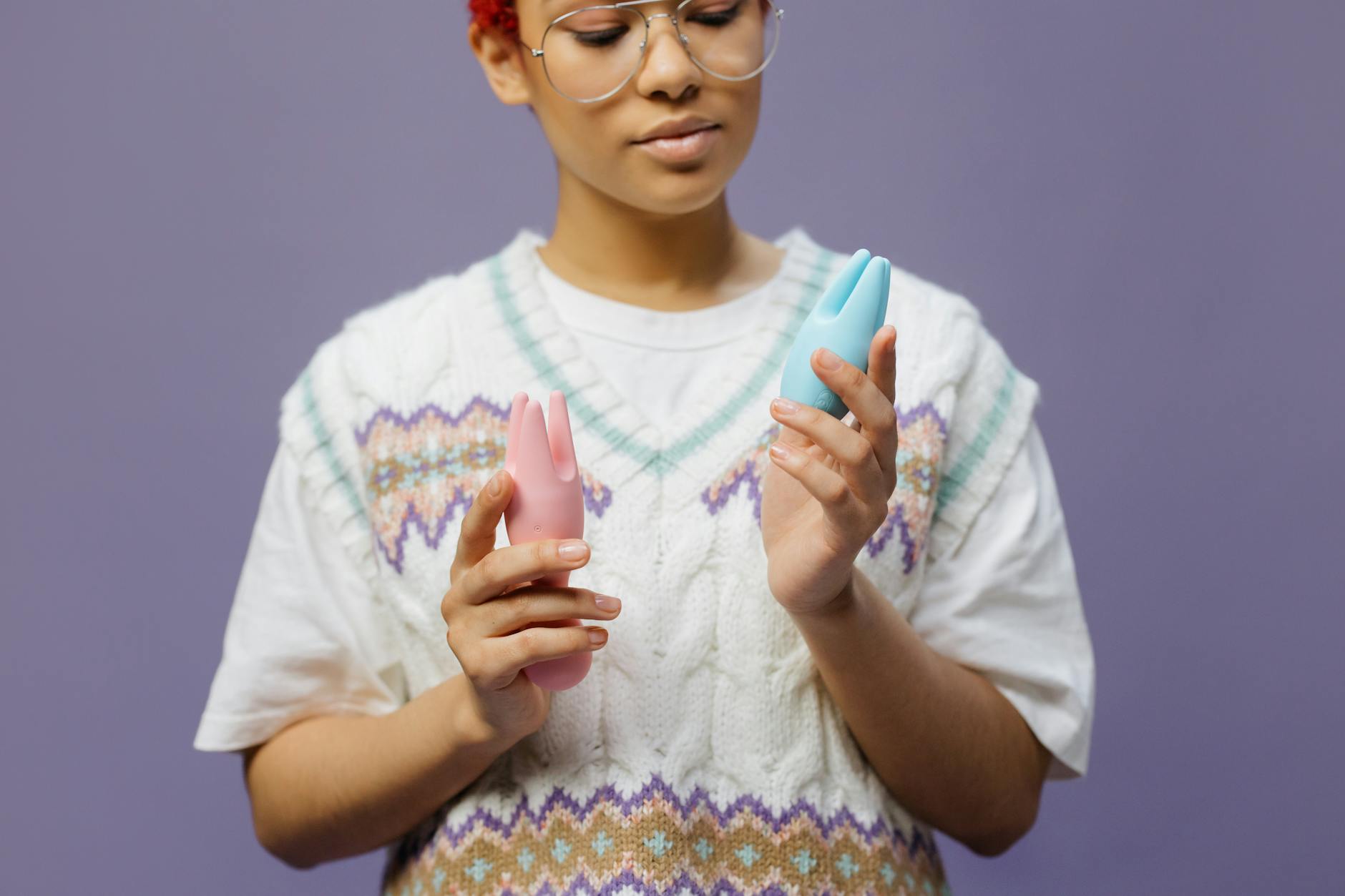
Divorce rewires your relationship with pleasure. Here's what changes emotionally, what happens physically, and why a lemon vibrator might feel like permission you didn't know you needed.
Divorce isn't just an ending. It's a full reordering of how your body lives in the world. For years, maybe decades, your pleasure existed inside a partnership narrative. Sex had context. Your body had a job. Then suddenly it doesn't. And that absence of expectation, while it sounds liberating, can actually feel unsettling at first.
That's the part nobody talks about. We celebrate the freedom. We rarely acknowledge the disorientation.
When you pick up a lemon clitoral vibrator after divorce, it doesn't feel the same as it might have before, or the same way it feels for someone who hasn't been through a major relationship transition. The device is identical. Your body isn't. Your mind definitely isn't. And understanding that difference is what makes the experience actually transformative instead of just... nice.
Here's the neurological piece that matters. During a long relationship, your nervous system gets used to predictability. Your partner knows your body. You know theirs. There's a script, even if the script gets boring. Your body lives in a state of relative safety because it knows what to expect.
Divorce blows up that safety. Suddenly you're living alone. Your body doesn't have a familiar person to touch it. Your nervous system has to recalibrate what intimacy even means. For some people this happens quickly. For most, there's a gap where pleasure feels either too vulnerable or completely absent.
When you use a lemon vibrator during this time, you're not just experiencing physical sensation. You're literally rebuilding the neural pathways between "being alone" and "feeling good." That's why the experience can feel both intense and healing at the same time. Your body is learning that pleasure doesn't require permission from another person.
Inside a marriage or long partnership, your orgasm isn't entirely yours. It's part of the shared experience. You might be self-conscious. You might accommodate. You might perform. None of that is a moral failing. It's just what happens when bodies share space for years.
Post-divorce, when you're alone with a lemon clitoral vibrator, there's no one to accommodate. No script to follow. No timing to coordinate. This freedom is exactly what makes it terrifying for some people.
I've worked with clients who found that their first solo orgasm after divorce made them cry. Not from physical sensation, but from the realization that their pleasure had been buried so deep they couldn't access it anymore. The lemon vibrator wasn't magical. It was a tool that helped them remember they could feel good without anyone else's permission or presence.
That emotional reconnection is often more significant than the physical sensation.
Lemon vibrators use suction technology, which is different from traditional vibration. Instead of rapid back-and-forth movement, suction stimulates nerves through gentle pressure and release. This matters post-divorce because it requires less performance from you.
With a partner, you might have been managing your body's response to match their rhythm or expectations. Suction-based clitoral vibrators don't require that negotiation. You're not coordinating with anyone. You're not adjusting to someone else's pace. You can build intensity at your own speed, pause when you need to, go as fast or slow as feels good.
Many of my clients report that this lack of coordination is exactly what lets them drop into sensation fully. There's no mental load of "is this right for them?" You're just there with your body and a device designed specifically for your anatomy.
Divorce can crater your sexual confidence. You might wonder if your body was the problem. If you were too difficult. If you stopped being desirable. These thoughts don't live in facts. They live in the story you tell yourself about why the relationship ended.
When you use a lemon vibrator and experience consistent, reliable pleasure, something shifts. Your body becomes evidence that the problem wasn't you. You're not too much. You're not broken. You're just a person with a body that feels good when you actually focus on it instead of managing someone else's feelings about your body.
This is why the experience can feel so powerful. It's not just an orgasm. It's a small, physical proof that you're still desirable, still capable of pleasure, still yourself.
Long partnerships can create dissociation around pleasure. You might stop noticing what actually feels good because you're used to accommodating. Post-divorce, reconnecting with a lemon clitoral vibrator is actually an exercise in relearning your own body.
Start slow. Notice which patterns feel best. Notice if you prefer lower intensity or if you like to build to stronger sensation. Notice how your body responds on different days, in different moods, at different times of the month. This isn't just hedonism. This is gathering information about yourself.
The more you know your own pleasure response, the more grounded you feel in your body. And the more grounded you feel, the safer it is to consider partnered intimacy again, if that's something you want. From a place of knowing what you like, rather than just accommodating.
There's no timeline for this. Some people feel ready to date three months after divorce. Some take years. Both are completely normal.
What matters is that when you do start exploring partnered intimacy again, you do it from a place of knowing what you actually want, not from scarcity or the need to prove something. This is where the solo work with a lemon vibrator becomes genuinely valuable. You've already done the emotional and physical reconnection. Now you're introducing another person into an experience where you already know what feels good.
You might even introduce a lemon vibrator into partnered sex if that feels right. How to use lemon vibrators with a partner during sex is a whole different conversation, but the foundation is the same: your pleasure is the baseline, not the negotiation.
Post-divorce, you might notice your body responds differently than it used to. Some people find they orgasm more easily alone than they did in their marriage. Some find they need more time to warm up. Some discover they actually like different patterns of stimulation than they thought they did.
This isn't a problem. This is your body telling you who you are now, post-divorce. Honor that information. If you need longer warm-up time, that's not a flaw. If you like stronger sensation, that's not greedy. How to improve lemon vibrator performance with proper lubrication techniques can help if you're noticing changes in natural lubrication, but mostly, you're just gathering data about your own body.
Honestly, the most powerful thing about using a lemon vibrator after divorce is that it's an act of self-permission. You're saying: my pleasure matters. My body matters. I deserve to feel good, alone, without anyone watching or judging or waiting for their turn.
That permission is small and massive at the same time. It's a daily practice in believing that you matter. And that belief, accumulated over time, changes everything about how you move through the world.
Completely. Your nervous system has been through a major transition. Pleasure often feels unsafe at first because it requires vulnerability, and vulnerability has just been really painful. Give yourself grace. There's no timeline for feeling okay about your own body again.
No, and that's actually the point. They're entirely different experiences, neurologically and emotionally. Solo exploration helps you reconnect with yourself. Partnered sex involves another person and all the complexity that comes with that. One isn't better. They're different. Solo exploration just tends to happen first in the post-divorce timeline because it requires less emotional risk.
Your body might be numb. Trauma, grief, and major life transitions can create dissociation. This is normal and temporary. Try different settings on your lemon vibrator. Try different times of day. Try when you're relaxed versus when you're stressed. Sometimes sensation comes back slowly. Sometimes you need to spend time just being present in your body without the expectation of orgasm.
No. Your pleasure needs change based on your nervous system state. The fact that you're discovering something new now doesn't mean you were settling before. You were surviving a major relationship. Now you're rebuilding. Different phase, different needs, different body.
There's no magic number. What matters is whether you feel grounded in your own body and clear about what you actually want, not what you think you should want. Some people feel ready after a few months. Some take a year or more. The solo work with a lemon clitoral vibrator is just preparation. The timeline is whatever feels right for your nervous system.
If that feels right to you, yes. Some people find that introducing toys earlier removes pressure and makes the experience more fun. Others prefer to rebuild their own sense of their body first. Why lemon vibrators feel different with a new partner digs deeper into that transition, but the core answer is: do what feels safe.
Divorce changes your relationship with your own body. Using a lemon vibrator post-divorce isn't about having better orgasms, though that might happen. It's about rebuilding the belief that your pleasure matters, that your body is yours, and that you don't need permission to feel good.
Start small. Be patient. Notice what your body is telling you. That's the actual work. The lemon vibrator is just the tool that makes the conversation between you and your body possible again.
If you're figuring out where to start or have questions about what might work best for your body right now, we're here. Contact Hello Nancy and we can help you find what fits.