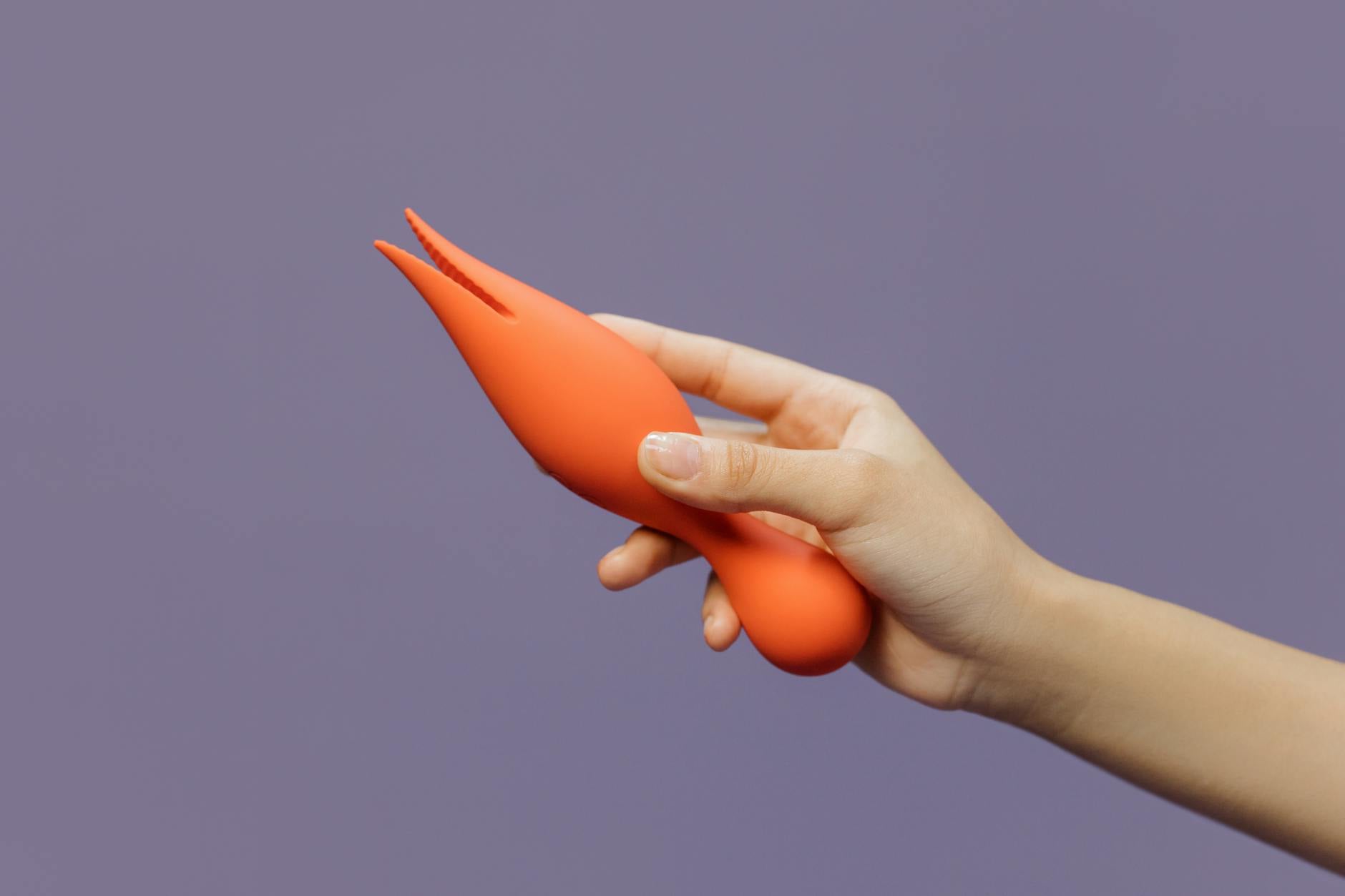
Let's be real. After trauma, your body can feel like it doesn't belong to you anymore. Reclaiming pleasure is not about forcing yourself back into the sexual person you were before. It's about slowly, gently reestablishing that you get to choose what happens to your body now. And sometimes, the right tool makes that process feel less impossible.
That's where lemon vibrators come in. They're not magic, but they offer something specific that matters when you're rebuilding: control, predictability, and a gentler entry point than partnered sex.
Sexual trauma doesn't just create memories. It teaches your nervous system that your body is unsafe. Your brain learned to associate sensation, vulnerability, or specific triggers with threat. Healing doesn't mean forgetting that lesson overnight. It means slowly convincing your nervous system, through repetition and safety, that consensual pleasure is different.
This is where many people get stuck. Partnered sex feels too exposing, too uncontrolled, too much like the original harm. Vibrators, especially clitoral vibrators like those from Hello Nancy, offer something different: a solo practice where you control every variable.
No one else is watching. No one else is demanding anything. You can pause, stop, or change your mind in the middle without explaining yourself. That agency is the whole point.
Not all vibrators are the same when you're rebuilding. Here's what makes lemon clitoral vibrators particularly helpful for this work:
Suction stimulation vs. direct vibration. Traditional vibrators buzz directly against tissue. For many trauma survivors, that intensity feels too much, too fast, or too triggering. Lemon vibrators use a suction mechanism that's gentler and more diffuse. The sensation is different. Your nervous system registers it as different. That separation from traditional vibration can make solo play feel psychologically safer.
Precision without performance pressure. Because the sensation is so concentrated on the clitoris, you don't need to worry about "doing it right" or reaching a specific outcome. You're just exploring sensation. That curiosity, without the performance goal, is actually how healing happens.
Low barrier to starting. If penetration feels triggering, clitoral stimulation alone removes that threat. You stay in control of every boundary. Many survivors find they can access pleasure through clitoral focus in ways partnered sex still doesn't allow.
If you're starting after trauma, here's what actually helps:
Start with exploration, not orgasm. The goal isn't to come. The goal is to notice. Touch yourself, use the vibrator on low settings, and just pay attention to what feels neutral, what feels good, what feels uncomfortable. No outcome required.
Grounding is part of the practice. Keep your eyes open. Notice your surroundings. Stay tethered to "now" and "safe" and "I'm choosing this." Many trauma survivors find that breathing work, or keeping one hand on their chest while using a vibrator with the other, helps keep the nervous system regulated.
Patience with numbness. Sometimes after trauma, sensation is just... muted. You might use a lemon vibrator and feel almost nothing. That's normal. It doesn't mean you're broken. It means your nervous system is protecting you. Keep going gently. Sensation often returns over weeks or months, not days.
Rhythm and repetition matter. Solo practice works best when it's regular but pressure-free. Once a week, or a few times a month, just checking in with your body and what it can feel. The repetition teaches your nervous system safety more than intensity does.
Solo practice isn't a permanent replacement for partnered intimacy. But it is a bridge. When you rebuild your relationship with your own pleasure first, partnered sex becomes optional, not necessary. That shift in psychology changes everything.
If and when you're ready to bring a partner back in, you actually have information now. You know what sensations you like. You know what your body can feel. You can communicate that specifically. "Use lemon vibrators on me like this" is information. "Do something to make me feel good" puts the burden on your partner and takes control away from you again.
You might expect a trauma therapist to talk about vibrators. You don't expect a relationship coach to. Here's why it matters anyway: healing after trauma isn't just psychology. It's also practical. It's about tools and rituals and small decisions that gradually rewire how you move through the world.
If you're eventually going to rebuild intimate connection with a partner, you have to start by rebuilding it with yourself. Solo play with a lemon clitoral vibrator isn't frivolous. It's foundational. It's the place where you remember that your pleasure, your body, your choice, are non-negotiable.
If you're working through trauma, you should probably have a trauma-informed therapist in the mix. I'm giving you a tool, not a treatment. Therapy addresses the nervous system work. A vibrator just makes that work feel less alone.
Some survivors also find that working with a somatic therapist, who specializes in body-based healing, pairs well with solo practice. They can help you notice what's happening in your body and teach you to trust those signals again.
There's no timeline. Some people notice shifts in weeks. Others take months or years. The thing is, progress isn't linear. You might feel fine, then a trigger appears and you feel set back. That's normal. Keep going. Consistency over weeks builds safety faster than intensity on any single day.
Yes. Numbness is a common trauma response. Your nervous system has turned down sensation as a protection. That's actually a sign you need to use the vibrator more gently, more regularly, and with more grounding techniques. The goal is to teach your body it's safe again, not to force sensation.
Absolutely. Clitoral stimulation is completely separate. Many survivors find they can access pleasure through clitoral vibrators long before penetration feels safe. Start there. Stay there as long as you need to. There's no requirement to progress to anything else.
That's a sign you need to pause and check in with yourself. Did something remind you of the original harm? Are you pushing yourself too hard? Healing isn't about forcing yourself through discomfort. It's about finding the edge between challenge and safety, and staying there for a while. If memories or flashbacks show up, a trauma therapist is the right person to talk to, not a vibrator.
That's your call. If you're dating someone new, using a vibrator solo is your private practice. You don't owe anyone details about your healing. That said, when you're ready for partnered intimacy again, you'll want a partner who gets it. Someone who understands that your body needs patience, predictability, and genuine consent. That conversation usually feels easier after you've spent time with yourself first.
When the thought doesn't make your nervous system activate. When you can imagine it without flashbacks or dread. When you know specifically what you want and don't want. And when you've found a partner who can respect those boundaries without making you feel broken for having them. There's no rush. Solo practice can continue indefinitely, even in a committed relationship.
Reclaiming your sexuality after trauma is not about returning to who you were. It's about discovering who you are now, with the knowledge and boundaries you have now. A lemon vibrator is just a tool in that process. It's a way to practice saying yes to yourself, on your terms, with no one else involved.
Your body deserves to feel pleasure again. Not because you owe anyone that. Because you deserve it. Start small, be patient, and give yourself permission to take as long as you need.
If you're ready to talk through next steps with support, we're here.