Let's start with the tension nobody names
One of you gets ready to go in five minutes. The other needs twenty. One expects an orgasm to happen on command. The other's body has a different schedule. You're not broken. Your partner isn't selfish. You're just operating on different timelines, and nobody's given you a way to talk about it.
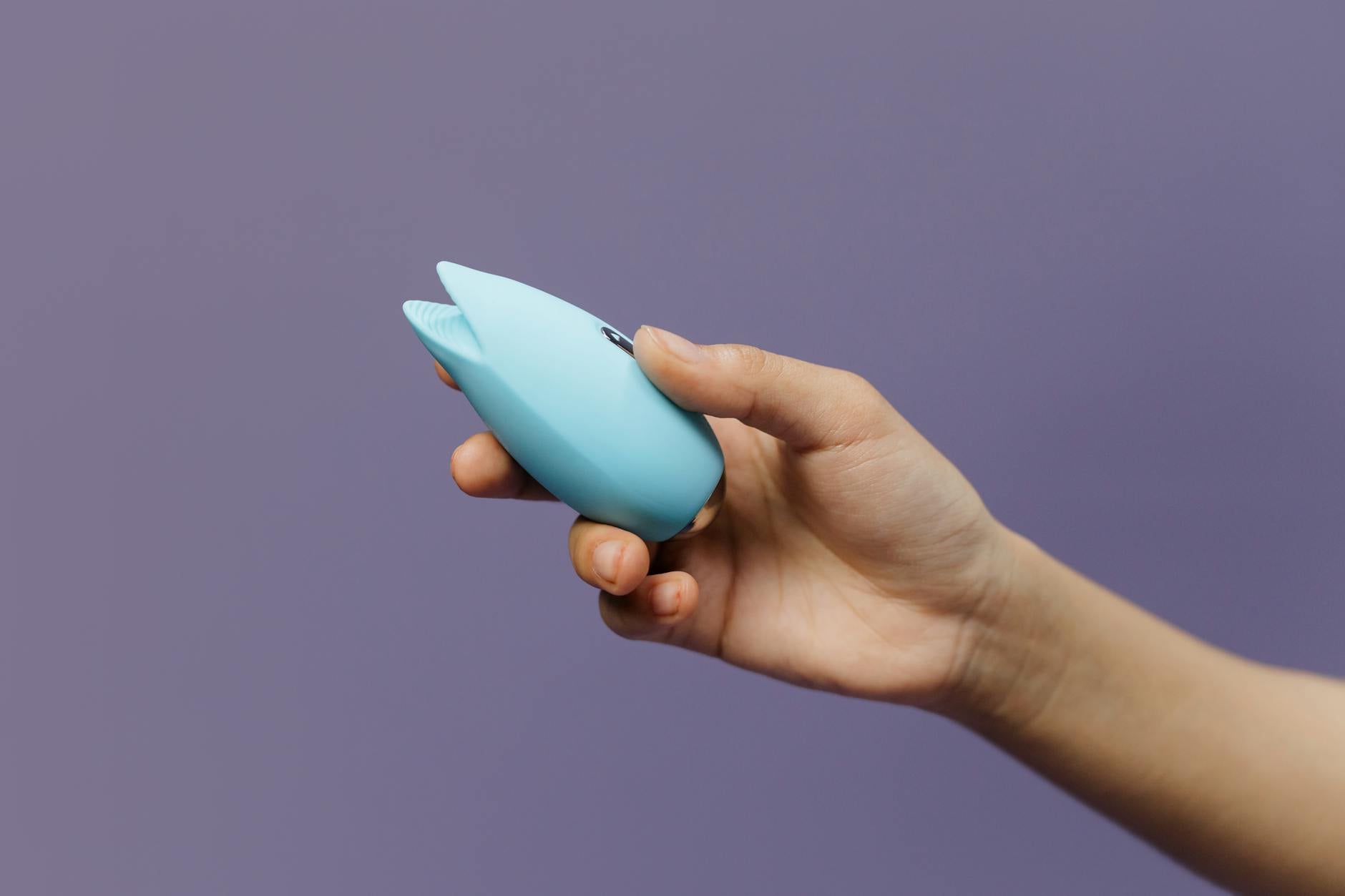
This mismatch doesn't mean the relationship is wrong. It means you need tools and conversation. A lemon vibrator, used thoughtfully with your partner, can be that tool.
Why the mismatch happens in the first place
Arousal isn't a light switch. Some bodies flip instantly. Others need a slow build. Some people's brains shut off as soon as they sense pressure to perform. Others thrive on directness and speed.
This isn't about love or attraction. It's biology mixed with psychology. Testosterone typically drives faster arousal. Estrogen cycles affect how quickly the body responds. Anxiety, stress, medication, and past sexual experiences all play a role. One partner might have learned to come quickly with a previous partner or through solo play. The other might have a slower, steadier baseline. Both are normal.
The problem starts when one person expects the other to match their timeline. "Why do you always need so much foreplay?" or "Why do you rush me?" becomes code for "Your body is wrong." It's not. It's just different. And that difference, left unmanaged, creates resentment.
The gap a lemon clitoral vibrator fills
Let's say one partner climaxes quickly with direct clitoral stimulation. The other needs more time to warm up and becomes self-conscious when pressure to perform shows up too early.
A lemon vibrator lets you shift the frame. Instead of one person's hand or body being the primary source of stimulation, the device becomes neutral third point of contact. This sounds small. It's not.
When external pressure drops, internal relaxation often rises. If you're not waiting for your partner to get ready, you can focus on what your body actually needs. If you're not watching your partner watch you, you can breathe.
Many couples find that introducing a clitoral vibrator actually slows things down in the best way. It removes the performance expectation. It gives the slower partner permission to take their time. It gives the faster partner something constructive to do besides wait. It changes "you're too slow" into "let's explore this together."
How to frame this conversation with your partner
Don't lead with "We have a problem." Lead with curiosity. "I've been thinking about how different our bodies respond. I don't think there's anything wrong with either of us. I'm wondering if we could try something new that might help us both feel less rushed."
Avoid blame language. Not "You always make me feel pressured," but "I notice I tense up when I feel rushed, and that actually makes everything harder."
Make it about pleasure, not repair. "I want you to feel good without waiting. I want to feel good without pressure. What if we used something that helped both of us get there?"
Be specific about what you're proposing. "I've been reading about lemon clitoral vibrators because they work really well for people who need variable stimulation. Would you be open to trying one together?"
If your partner hesitates, listen to why. Some people worry that a vibrator means they're not enough. That's a real concern that deserves a real answer. "This isn't about you not being enough. This is about me accessing pleasure the way my body works best. And honestly, I think it could feel good for you too."
Using a lemon vibrator to sync your pleasure
Start slow. You don't need to integrate it into every encounter. Pick a time when you're both relaxed, no time pressure, no performance expectations.
One helpful approach: one partner uses the lemon vibrator on themselves while the other watches and participates in other ways. This removes any pressure on the second partner to perform. The person with the vibrator gets to explore what actually works for their body. The watching partner learns what turns their person on.
Another approach: take turns. One person uses the vibrator while the other provides other kinds of touch. Kissing, caressing, verbal encouragement. This keeps both people engaged without demanding that anyone operate on a timeline that doesn't fit.
A third option: use the vibrator as foreplay for one person while the other is still warming up. No hidden agenda. Just "I'm going to use this for a few minutes while you get ready. Then we'll keep going together." This removes the awkward waiting period where one person is ready and the other isn't.
Start at lower intensity settings on your lemon vibrator. This lets both of you get used to the sensation without overwhelming anything. Many people find that lower settings, used longer, actually create better orgasms than high intensity used briefly.
What happens when you stop treating pleasure as a race
The shift is subtle but profound. When there's no pressure, arousal often builds faster, not slower. When you're not waiting, you're not resentful. When you're not watching the clock, sex becomes about sensation instead of performance.
Some couples find that using a lemon clitoral vibrator together actually deepens emotional intimacy. You're literally showing your partner how your body works. You're asking them to participate in your pleasure rather than be responsible for it. That's a different kind of vulnerability.
You might also discover that your timelines weren't as mismatched as you thought. Sometimes one partner responds slowly because they're tensing in anticipation of pressure. Remove the pressure, and the timeline shifts.
If you have a pattern where one partner always delays, consider whether there's something beneath the surface. Are they anxious about disappointing you? Self-conscious about their body? Dealing with low desire that has nothing to do with you? Those are separate conversations that a vibrator won't fix. But a vibrator can create space for those conversations to happen without the urgency of unmet expectations.
When pleasure timing reveals something bigger
Sometimes a mismatch in arousal speed points to something else. One partner might have lower desire overall. Another might be anxious about intimacy. A third might have experienced something that affected their sexuality.
If a lemon vibrator helps you both feel less pressure and that's genuinely sufficient, great. Use it. If you try it and the tension about timing persists, that's worth exploring with a therapist or sex counselor. The vibrator is a tool. It's not a replacement for addressing what's actually underneath the timing mismatch.
But here's what I know from working with couples: most of the time, when you remove the performance pressure and introduce a tool that lets both partners access pleasure on their own terms, the resentment loosens. You start seeing your partner's body as separate from your own needs. You start taking responsibility for your own pleasure instead of expecting your partner to create it for you. And somehow, that actually brings you closer.
People also ask
Does using a lemon vibrator mean my partner thinks I'm not enough?
Not if you frame it right. A lemon clitoral vibrator is a tool that works well for some bodies, the same way a vibrating back massager works for some backs. It's not a judgment on your partner. It's not a replacement for them. It's a way to get pleasure that serves your body's specific needs. The best partners understand this. If yours doesn't, that might be worth exploring separately.
Should we use the lemon vibrator during partnered sex or separately?
Both. Try it solo first so you know how it works on your body. Then experiment during partnered time. Some couples use it during foreplay. Others use it while engaging in other forms of touch. There's no single right way. The point is finding what works for both of you without pressure or performance.
What if my partner is worried a lemon vibrator will make me less interested in them?
This fear is common. Address it directly and kindly. "My arousal isn't a pie. Using a vibrator doesn't mean I want you less. It means I want you differently. It means I want to feel good, and then I want to feel good with you." Show them how the vibrator can enhance partnered sex, not replace it. Invite them to be part of the experience.
How do I know if my pleasure timeline is actually mismatched or if I'm just anxious?
Pay attention to solo play. How long does it take you to orgasm when there's no pressure? Do you tense up when a partner is watching? Does relaxation change your timeline? Anxiety absolutely affects arousal speed. If solo play is faster than partnered play, anxiety might be the real issue, not a genuine mismatch. A therapist can help you separate the two.
Can a lemon vibrator fix a relationship where sexual expectations are creating real conflict?
Not alone. A tool helps. Conversation matters more. A tool plus honest talk about what you actually need and want is powerful. A tool without the conversation is just avoidance. If you're using a vibrator to sidestep a bigger intimacy issue, address the bigger issue. The vibrator is a bridge, not a destination.
Is it normal that one partner's pleasure takes longer than the other's?
Completely normal. Arousal is not designed to match. Some people's bodies respond instantly. Others need time to transition from daily stress into pleasure. Neither is better. Both need accommodation. The couples who thrive sexually are the ones who stop expecting synchronized timelines and start building sex around what both bodies actually need.
What you actually need to know
Your pleasure timeline isn't wrong. Your partner's timeline isn't wrong. The mismatch is only a problem if one of you is demanding that the other operate differently. A lemon clitoral vibrator can help you both feel less pressured and more curious. But the real work is the conversation. It's saying "I want us both to feel good. Let's figure out how that actually works for your body and for mine." That conversation is the foundation. The vibrator is just the tool that makes it easier.
If you're interested in exploring how to use pleasure tools as a couple, let's talk. Contact us at Hello Nancy's Lemon Shop and we can help you find what works.