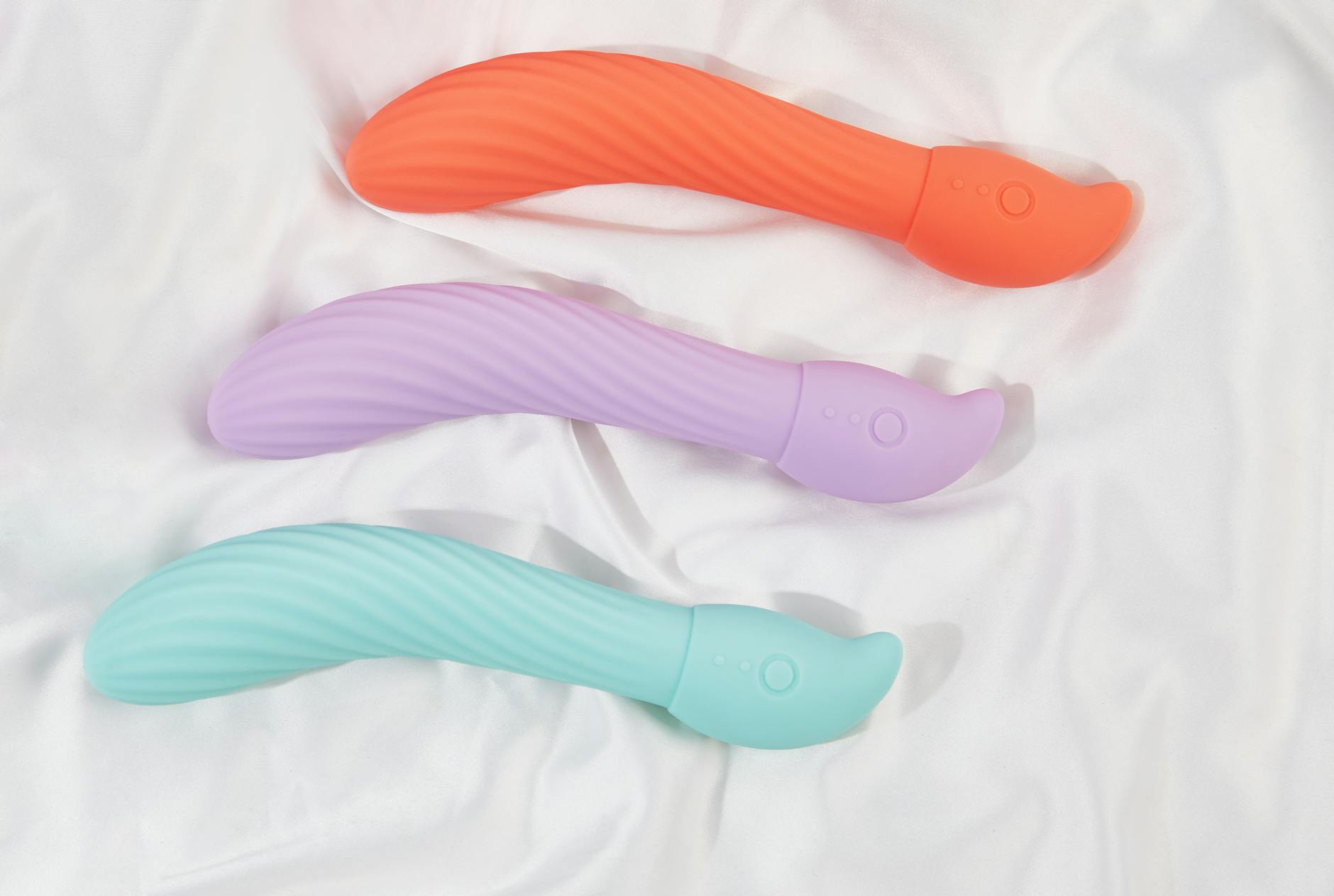
When sensitivity changes, everything feels different
Here's what nobody tells you straight: hormonal changes don't mean your body stops working. It means your body feels different, and that's not inherently worse. It's just different. And understanding that difference is the whole point.
When estrogen and testosterone shift, tissue thickness changes, blood flow patterns shift, and the speed at which arousal builds takes longer. That sounds like a problem until you realize most people spend years treating their sensitivity like a bug instead of a feature to work with.
How tissue sensitivity actually changes
Let's talk physiology for a second. Your clitoral tissue has specific nerve endings that respond to different kinds of stimulation. When hormone levels drop, the tissue gets thinner and more delicate. That means the old intensity that used to work can suddenly feel too strong, too sharp, or just uncomfortable.
But here's the thing: thinner tissue also becomes more sensitive to certain kinds of touch. It's not less responsive. It's responsive in a different way.
This is where lemon vibrators and suction-based devices become interesting. Traditional vibrators work through oscillation, which creates friction against tissue. That friction works fine when tissue is thicker and more robust. But when tissue changes, that same friction can feel abrasive. Suction, by contrast, works through gentle pressure and release cycles that don't rely on friction at all. The stimulation happens beneath the surface, which means it can actually feel better on tissue that's become more delicate.
Why lemon clitoral vibrators feel different after hormonal shifts
The Lem vibrator, like other lemon-shaped clitoral vibrators, uses air-pulse technology. Here's what that means in practice: instead of buzzing against tissue, it creates gentle waves of suction and release. For bodies navigating hormonal changes, this matters.
When you use a traditional vibrator on tissue that's already sensitive, you're adding friction. With a lemon vibrator's suction approach, you're creating a different sensation entirely. The stimulation builds from the pressure change, not from mechanical grinding. For a lot of people with hormonal changes, that distinction is the difference between pleasure and discomfort.
You also have more control. Most lemon vibrators have 7-10 intensity levels. With hormonal changes, you might find yourself living at level 2 or 3 where you used to need level 7. That's not a loss. That's your body being more honest about what actually feels good.
The warm-up window gets bigger (and that's useful)
One of the clearest changes people report: arousal takes longer to build. This isn't laziness or loss of desire. It's literally how blood flow and neural response work after hormonal shifts.
The temptation is to treat this as a problem. Instead, consider that extra warm-up time as useful information. Your body is telling you it wants sustained attention, not immediate intensity.
With a lemon vibrator, you can start on the lowest setting and spend 10-15 minutes at that level while your body actually builds arousal. By the time you move to a higher intensity, you're already halfway there. Compare that to trying to use a traditional vibrator at an intensity that was comfortable before hormonal changes. You'll chase sensation you're not ready for and end up frustrated.
Lubrication becomes a partner, not a backup
Water-based lubricant used to be optional. After hormonal changes, it's essential. But not because anything is broken. It's because thinner tissue benefits from the glide that lubrication provides.
With lemon vibrators and suction devices, good lubrication does something specific: it improves the seal between the device and tissue, which makes the suction more efficient. The device can create better pressure waves, which means better stimulation at lower intensities.
This is actually an advantage if you think about it. You're getting more sensation from less intensity, which means less potential for discomfort and more potential for sustained pleasure. Use a silicone-safe water-based lube and reapply every 5-10 minutes. Your body will tell you when it needs more.
The pelvic floor component matters more
Hormonal changes affect pelvic floor muscle tone. That's real. But the solution isn't squeezing harder. It's learning to release fully.
A lot of people unconsciously hold tension in the pelvic floor during arousal. After hormonal changes, that tension becomes more noticeable because the muscles have less estrogen support. The result is that tension can actually interfere with pleasure instead of enhancing it.
When you use a lemon vibrator or any suction device, you're getting direct feedback about pelvic floor tension. If you're gripped too tight, the sensation won't feel as good. This is your body teaching you to relax. Spend 30 seconds before you start stimulation just breathing and consciously releasing that area. The difference is immediate.
Intensity isn't the measure of good anymore
Here's the shift that changes everything: pleasure after hormonal changes isn't measured by how intense the sensation is. It's measured by whether the sensation actually feels good.
That sounds obvious until you've spent 20 years assuming that more intensity equals more pleasure. With lemon vibrators, you might find your best orgasms happen at level 3, not level 9. The quality of the stimulation matters more than the quantity.
Many people report that orgasms actually feel different too. Sometimes more localized, sometimes more full-body, sometimes longer. This isn't worse. It's just different. And different often means you get to explore sensation you've never experienced before.
What to expect in the first week
If you're transitioning to a lemon vibrator after hormonal changes, start low and stay there for the first few sessions. You're not trying to achieve the same sensation you had before. You're learning what feels good now.
Use plenty of lube. Plan for a longer warm-up. Put your phone away. You're actually learning your body again, and that takes attention.
After hormonal changes, a lot of people realize that sensation they thought was gone was actually just hidden. It was waiting for the right approach. A lemon clitoral vibrator often turns out to be that approach.
The partnership conversation matters
If you have a partner, tell them this is happening. Not as "my body doesn't work anymore," but as "I'm discovering my body works differently now, and I want to explore that together."
Partners often think changes in sensitivity mean something is wrong with the relationship. It doesn't. It means your body is giving you new information. The right response is curiosity, not frustration.
Using a lemon vibrator with a partner looks different too. Instead of it being something you do separately, it becomes part of your shared exploration. They can watch what intensity you're using, what rhythm works, where your body is most responsive. That's data you're both learning from.
People also ask
Can hormonal changes permanently affect clitoral sensitivity?
No, but the sensitivity patterns change. That's not permanent in the sense that your body stops working. It's permanent in the sense that going back to your exact previous hormone levels usually requires hormone therapy, which is a different conversation. Most people find that understanding the new sensitivity pattern is way more useful than chasing the old one.
Why do lemon vibrators work better than traditional vibrators for sensitive tissue?
Lemon vibrators use suction, which creates stimulation through pressure waves rather than friction. Friction can feel abrasive on thinner, more delicate tissue. Suction works with the tissue, not against it. The result is often more sensation at lower intensities.
How long does it take to adjust to a lemon vibrator after hormonal changes?
Most people find their rhythm in 3-5 uses. Your body adapts quickly once it understands what's happening. The first session is usually about learning, not pleasure. By the third or fourth, you're usually finding what actually feels good.
Should I use lube with a lemon clitoral vibrator?
Yes, always. Water-based lube improves the seal between the device and tissue, which makes suction more effective. It also prevents any discomfort from direct contact. Reapply every 5-10 minutes or whenever the sensation changes.
Can I use a lemon vibrator if I'm on hormone therapy?
Absolutely. Hormone therapy changes the tissue profile, which means sensitivity patterns shift again. You might find you can move back to higher intensities, or you might stick with the lower range because it actually feels better. Listen to what your body tells you.
Do I need a partner to enjoy lemon vibrators after hormonal changes?
Not at all. Solo exploration is actually the best way to learn your new sensitivity patterns without the pressure of performing for someone else. Once you know what feels good to you, that information is useful whether you're alone or with a partner.
The real story
Hormonal changes don't end your sexual life. They change the equipment, not the capacity for pleasure. Understanding how your body responds now instead of chasing how it responded before is the whole game.
A lemon vibrator or lemon sucker device often becomes the right tool not because it's magical, but because it matches how your body actually works now. That's worth exploring. If you're navigating these shifts and want to talk through what might work for your body, reach out to Hello Nancy. We're here to help you figure this out.