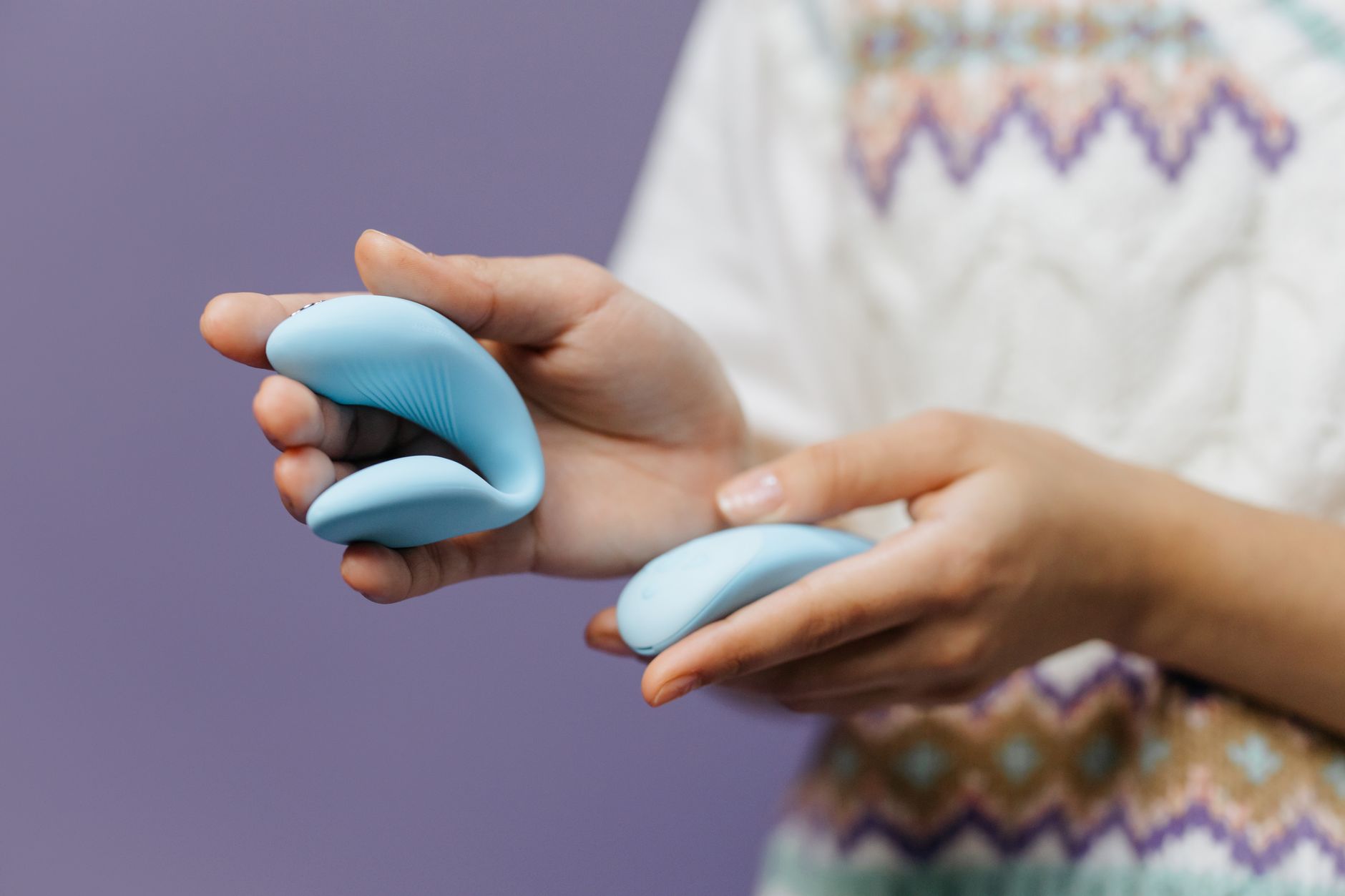
How to Rebuild Intimacy With Clitoral Vibrators After Relationship Conflict
Let's be real. After a fight, sex is the last thing on either of your minds. Your nervous system is still activated, trust feels fragile, and the thought of vulnerability makes you want to stay in separate rooms.
But here's the thing that surprised me in decades of couples work: the couples who rebuild fastest aren't the ones who wait for sex to feel natural again. They're the ones who use touch as a repair tool before they actually feel ready.
That's where lemon clitoral vibrators change the game. Not as a Band-Aid, but as a way to ease back into physical trust when emotional trust is still shaky.
Why conflict kills desire (and why it's not about being angry at your partner)
After conflict, your amygdala is running the show. That's the part of your brain responsible for threat detection, and right now it's screaming that your relationship is unsafe. Even though you might intellectually know the fight is over, your nervous system hasn't gotten the memo.
This shutdown isn't emotional. It's physiological. Blood redirects away from your genitals and toward your limbs, preparing you to flee or fight. Your vaginal lubrication decreases. Your pelvic floor tenses. Your ability to feel pleasure literally dampens because your body is in survival mode.
Add this to the fact that after-conflict sex often feels obligatory or transactional, and you've got a recipe where both partners are performing rather than connecting.
The nervous system reset that happens with touch
Here's what works: non-goal-oriented touch that's gradual, predictable, and controlled.
When you use a clitoral vibrator together after conflict, you're not jumping to "making up sex." You're doing something slower. You're asking your nervous system: "Is this safe? Can we be vulnerable again?"
The suction pattern of lemon vibrators (compared to traditional vibration) produces a more graduated intensity curve. Your partner can watch your response in real time. They can slow down or pause without things feeling awkward because there's no live performance pressure. It's almost scientific. Step 1, step 2, step 3.
That predictability is what allows your nervous system to downshift from threat mode.
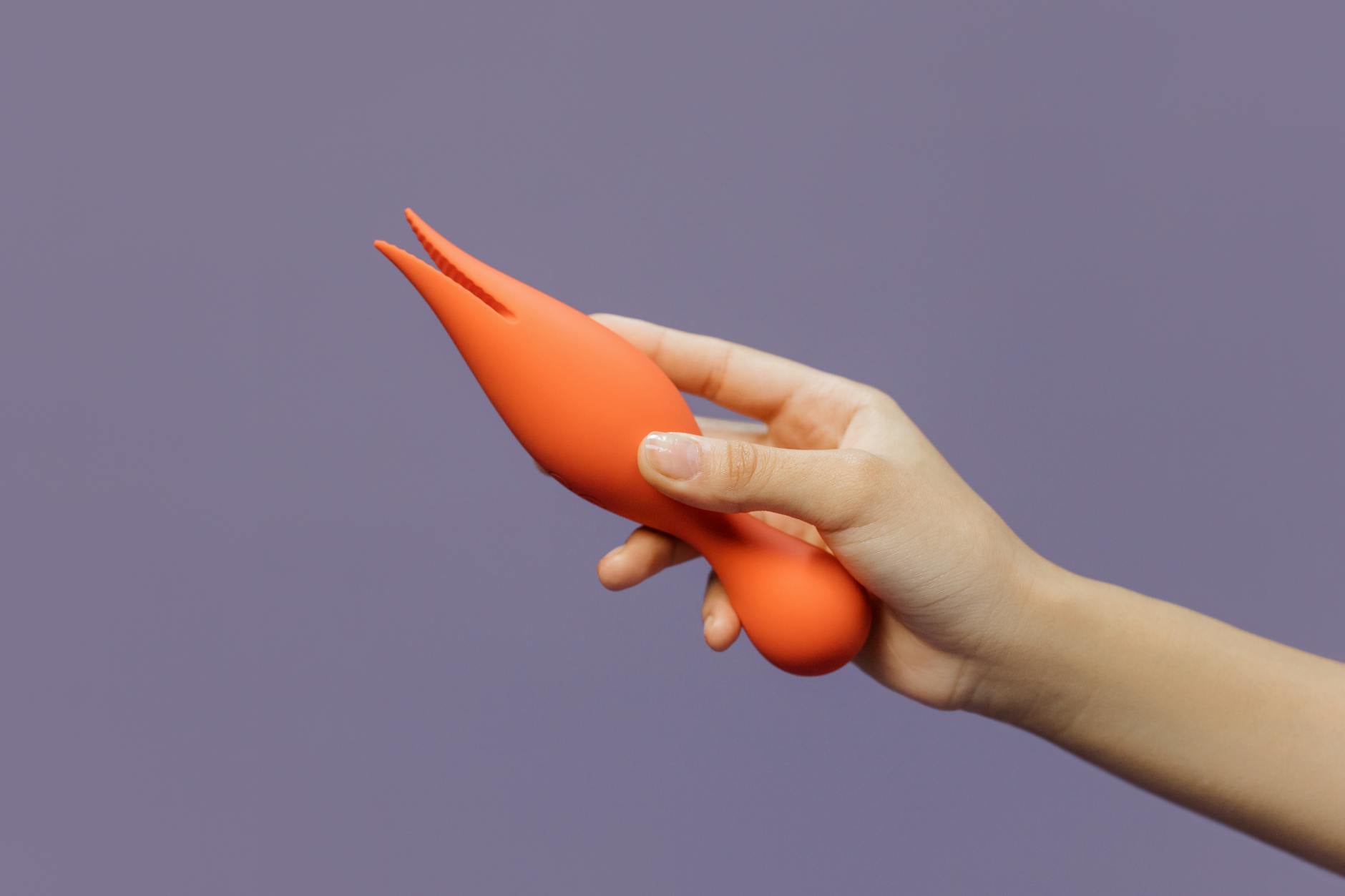
Photo by cottonbro studio on Pexels
The conversation that comes before touch
But here's what has to happen first: you need to separate the fight from the desire conversation.
After conflict, people usually do one of two things. Either they skip talking about what happened and jump straight to sex (which feels like erasure), or they talk about the fight obsessively and assume that kills the possibility of reconnection. Both paths are wrong.
Instead, follow this order:
Step 1: Repair the rupture. This isn't a rehash of the argument. It's specific. "I said X, I shouldn't have, I hear that it landed as Y, and I'm sorry." No "but." No deflection. Just clean ownership.
Step 2: Check in about nervous system state. "I'm feeling more settled. Are you?" This sounds simple, but it's not. You're giving each other permission to say "not yet" without judgment.
Step 3: Talk about pleasure separately. "I want us to reconnect. I'm not sure how yet, and I don't want pressure. What feels possible right now?"
That third conversation is where clitoral vibrators enter as a genuine tool, not a workaround.
How lemon vibrators ease the physical restart
After conflict, the vulnerability of being touched feels high-stakes. Your partner's hands can feel loaded with all the emotional weight you're both carrying.
A lemon vibrator creates distance in the best way. It's not your partner's hand. It's not penetration. It's a third thing in the room that you both chose together. That object boundary sounds small, but it gives you permission to be present without performing.
Here's the practical flow that works:
Solo first, partner watching. You use the vibrator alone while your partner is present but not actively touching. This lets you reset your own pleasure response without the pressure of reciprocating. They see you feeling good. That visual matters more than you'd think.
Then partner-guided. They hold the vibrator while you direct intensity and placement. You're teaching them what feels good right now, which is active communication without the vulnerability of asking.
Then mutual. If you both have clitoral vibrators, simultaneous use shifts the dynamic from performer and audience to partners experiencing something together.
Each stage takes the pressure off. None of it is obligatory. And all of it is rebuilding the trust that says: "I want you to feel good, and I'm willing to do this slowly."
The difference between numbness and withdrawal
One thing to watch: after conflict, some people genuinely can't feel pleasure because their nervous system is still activated. This is withdrawal, not numbness. If you notice that arousal isn't building even with clitoral stimulation, that's your cue to slow down further or take a break.
True numbness (inability to feel touch even when you're calm) is different and worth checking with a healthcare provider about.
But withdrawal is normal, and it's not a sign that rebuilding is failing. It's a sign that your nervous system still needs time.
Timing matters more than you think
There's no fixed timeline for when reconnection should happen after conflict. The research on couples repair suggests that touch helps, but forced touch before you're ready actually deepens resentment.
Watch for these signs that you're ready:
- You can make eye contact without it feeling defensive.
- You're not mentally replaying the fight.
- Your breathing is regular (not shallow or held).
- You've exchanged actual apologies, not half-apologies.
If those aren't present yet, clitoral vibrators aren't the answer yet. Rest is.
When they are present, starting with a lemon vibrator moves faster than waiting for desire to feel natural, because you're not waiting. You're actively resetting your nervous system through graduated touch.
What not to do
Don't use the vibrator as a way to avoid talking about the conflict. That's a Band-Aid, and it won't hold.
Don't assume your partner should already know what intensity or rhythm feels good. After conflict, communication actually gets harder, not easier. Ask. Tell. Redirect.
Don't jump to penetration or anything that feels high-stakes. Clitoral focus is lower-pressure for a reason.
Don't perform. If you're not feeling it, say so. Your partner would rather know than sense you're faking.
Why this actually strengthens couples long-term
Here's what happens when couples rebuild intimacy through this process: they learn that conflict doesn't kill desire, and desire can be a bridge back to trust.
That's a game-changer because most people grow up believing that sex should be spontaneous, that good couples don't need tools, that asking for what you need is needy.
When you rebuild after conflict using clitoral vibrators and clear communication, you're proving to yourself that pleasure is something you can actively create, not something that happens to you. That same skill set transfers everywhere else in your relationship.
You learn you can ask for what you want. That your partner can listen. That touch is a language you share, even when words are hard.
Common questions couples ask about rebuilding
Does using a vibrator mean something's wrong with our sex life?
No. It means you have a tool that helps. Most couples discover they prefer specific tools for specific situations. After conflict is exactly when a lemon vibrator's graduated intensity is most useful.
What if my partner feels threatened by the vibrator?
That's worth a separate conversation before you use it together. Often what feels threatening isn't the vibrator itself but what it represents: "You need more than me." The answer isn't to skip the vibrator. It's to frame it correctly: "This isn't instead of you. It's a way we can build something together."
How long does it actually take to feel reconnected?
That depends on the fight and your relationship history. Small conflicts might take an evening or a day. Bigger ruptures might take weeks. Using a clitoral vibrator doesn't speed up emotional healing, but it does create physical safety, which makes emotional healing possible.
Is it weird if we use it solo rather than together?
Not at all. Many couples find that solo pleasure while your partner is present actually feels less pressure-laden than partnered use. Both are rebuilding intimacy. Neither is wrong.
What if nothing changes after a week?
Then the conflict was probably bigger than one fight. Consider whether you both actually want to rebuild, or whether this is a recurring pattern. A couples therapist can help sort that out.
Can we prevent this from happening again?
Partially. Couples who check in regularly about desire, who use tools without shame, and who apologize cleanly tend to recover faster from conflict. Regular touch (before conflict) also makes the nervous system more resilient. But conflict is part of every relationship. The goal isn't prevention. It's recovery speed.
The bottom line
Conflict fractures desire. But fractured desire isn't the end of intimacy. It's a chance to rebuild it intentionally.
When you use lemon vibrators and clear communication to reconnect after fighting, you're not just getting back to where you started. You're learning that pleasure can be chosen, created, and repaired. That's something most couples never figure out.
If you're ready to try this, start small. A conversation about what you both need. A moment of touch without pressure. A tool that makes that easier. Everything else follows from there.
Your relationship doesn't need to bounce back instantly from conflict. It needs to feel safe enough to try reconnecting. That's where you start.