Let's name what's actually happening
Vaginal dryness and tissue thinning aren't a myth you've been telling yourself. They're real physiological changes that shift how touch registers. When the mucous membrane thins, direct friction stops feeling good and starts feeling uncomfortable or numb. Most people respond by stopping, assuming pleasure is off the table. It's not. You just need a different tool.
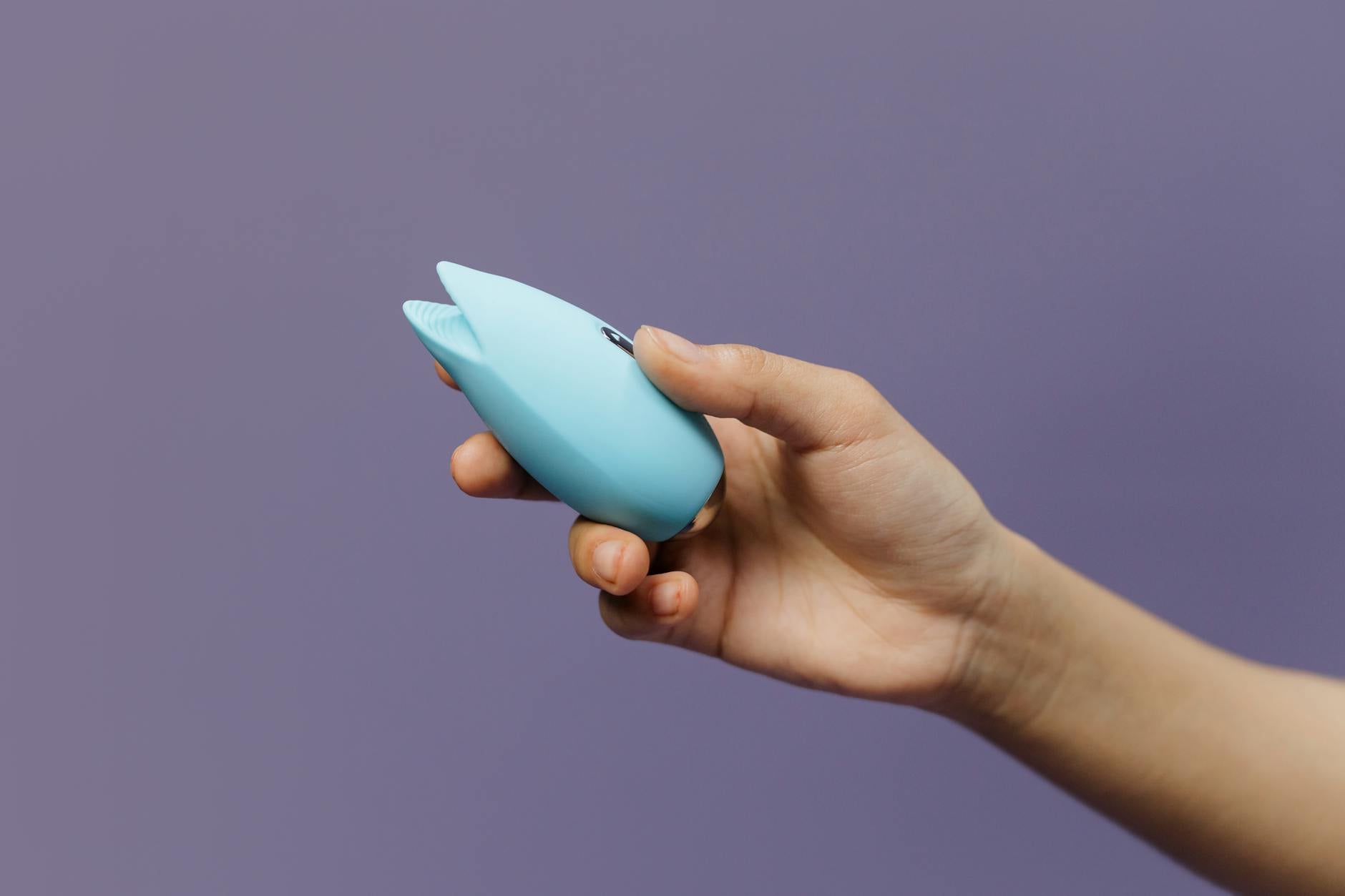
That's where the lemon clitoral vibrator comes in. Unlike traditional vibrators that rely on friction or direct pressure, suction-based stimulation works with thinning tissue instead of against it. I've worked with dozens of people navigating this shift, and most report that switching to a lemon sucker actually improved their sensation over time.
What tissue changes actually do to pleasure
Here's the honest part: when estrogen drops or your body is healing from health events, the vaginal and vulvar tissue gets thinner and loses elasticity. That's not a failure. It's just biology. The clitoris doesn't disappear. The nerve density stays the same. But the tissue surrounding it becomes more delicate, which means aggressive friction can feel raw or create a dulling sensation instead of pleasure.
At the same time, lubrication changes. Some people produce less natural lubrication. Some people's lubrication changes texture or consistency. The combination of thinner tissue plus less lubrication means the methods that worked at 25 often create friction burns or complete numbness by 45 or 50 or after certain medical events.
But here's what doesn't change: your brain's capacity for pleasure, your orgasmic reflex, and your ability to feel intensely. You just need an approach that doesn't assume thick, well-lubricated tissue.
Why suction beats friction when tissue is delicate
Suction stimulation works differently than vibration. Instead of pressing or rubbing back and forth, suction draws the tissue gently into a chamber where pulsing stimulation happens. The lemon vibrator creates a seal around the clitoris and delivers rhythmic waves of pressure.
This matters for three reasons:
First, no friction. Your tissue doesn't experience the back-and-forth motion that can feel raw or create numbness. Instead, the stimulation is contained and rhythmic.
Second, better activation of nerve clusters. The clitoral glans has about 8,000 nerve endings concentrated in a small area. Suction disperses pressure across that tissue more evenly than friction does, which often activates deeper sensation pathways.
Third, faster warm-up. When tissue is delicate, you need gentle initial stimulation. Suction from the lemon sucker allows you to start at pattern one or two and build gradually without the risk of irritation that comes with finger friction or traditional vibrators.
Many people notice that sensation actually improves over weeks of using a lemon clitoral vibrator consistently. This isn't magic. The gentle, consistent stimulation increases blood flow to the tissue, which supports healing and regeneration. Over time, sensation often becomes sharper, not duller.
The practical setup that matters
Four adjustments make the difference between discomfort and pleasure when you're working with thinning tissue:
Use water-based lubricant every single time. I cannot emphasize this enough. Even if you're producing some natural lubrication, add water-based lube to your vulva and the opening of the lemon vibrator. This isn't because you're broken. It's because thinner tissue benefits from a frictionless glide. Reapply halfway through if the lube dries.
Start at the lowest intensity setting. The lemon vibrator has multiple patterns. Begin at pattern one or two, even if you're tempted to jump ahead. Let your tissue adjust. Most people find they can increase intensity after a few uses, but starting low prevents irritation and helps your nervous system recognize the sensation as pleasurable rather than uncomfortable.
Position the seal carefully. The lemon sucker works best when the seal around your clitoris is firm but not aggressive. If you're experiencing pain rather than pleasure, the seal might be too tight or the intensity too high. Adjust the position slightly or back down the intensity.
Plan 15 to 25 minutes for warm-up. Arousal takes longer when tissue is delicate. Your body needs time to increase blood flow to the area and for your nervous system to shift into pleasure mode. Budget time. No rushing.
What to expect in the first few weeks
When you first use a lemon vibrator after experiencing tissue changes, sensation might feel muted or unfamiliar. This is normal. Your nervous system has learned to protect delicate tissue. It takes a few sessions for your brain to recognize that this type of stimulation is safe and pleasurable.
After three to five uses, most people report that sensation sharpens. After two to three weeks of consistent use, many say they experience sensation they haven't felt in months or years. This isn't just sensation returning. It's often sensation deepening because you're working with your body instead of against it.
If you experience pain during or after using the lemon clitoral vibrator, stop and check the basics. Is there enough lubricant? Are you starting at a low intensity? Have you warmed up for long enough? Is the seal tight but not aggressive? Usually, adjusting one of these factors resolves the issue.
If pain persists, see a gynecologist who understands tissue changes. Genitourinary syndrome of menopause or other tissue conditions are treatable. A topical estrogen cream or other interventions can work alongside pleasure tools to rebuild sensation and comfort.
The partner conversation you might need
If you're navigating tissue changes with a partner, this is a good moment to separate two conversations. "My body is responding differently to stimulation" is not the same as "I'm not attracted to you" or "Our sex life is broken." Most partners conflate these and get stuck.
The practical conversation is straightforward: "I'm using a tool that works better with my body right now. It's not about you. It's about what my tissue needs." That's it. The lemon sucker isn't a statement about your partner's competence. It's equipment, like glasses or a vibration app. Many partners find that watching you discover sensation often reignites their own arousal.
If your partner makes this about themselves, that's a different conversation. But most of the time, clarity prevents resentment.
When sensation improves faster than expected
Some people report dramatic improvement in sensation within days. Others take weeks. This depends on how recently tissue changes occurred, whether you're on hormone therapy, how consistently you're using the lemon vibrator, and your baseline stress levels.
Consistency matters more than intensity. Using your lemon clitoral vibrator three times a week for three weeks will yield better results than using it intensely once and then stopping for a month. Steady stimulation teaches your nervous system that pleasure is safe and available.
If you're not seeing improvement after four to five weeks of regular use, consider whether other factors are at play. Stress dulls sensation. Disconnection from your body dulls sensation. Medication side effects can dull sensation. Sometimes tissue changes are secondary to a bigger picture, and addressing that picture helps sensation return.
The long-term view
Tissue changes don't mean the end of pleasure. They mean you need to recalibrate. The lemon sucker is one of the most effective tools for that recalibration because it works with how your body is actually built right now, not against it. Most people find that after months of consistent use, sensation becomes so sharp that they actually prefer suction-based stimulation to what worked before.
Your pleasure matters. Your body is worth listening to. If you want to learn more about navigating sensitivity changes, we've covered how to use lemon vibrators when you have low sensation after pelvic surgery and how lemon vibrators improve sensation when you're using topical numbing cream if you're navigating other medical contexts.
People also ask
Can you use a lemon vibrator if you have vaginal atrophy?
Yes, and in fact, gentle suction-based stimulation can help. Vaginal atrophy (genitourinary syndrome of menopause) involves tissue thinning and reduced lubrication. The lemon clitoral vibrator doesn't worsen atrophy because it doesn't rely on friction. That said, if atrophy is severe, start with a gynecologist. Sometimes topical estrogen cream or vaginal moisturizers help first. Then add the lemon sucker once tissue is less fragile.
How often should you use a lemon vibrator when tissue is delicate?
Three to four times per week is ideal for rebuilding sensation. More frequent use is fine if you're enjoying it, but consistency matters more than frequency. Your nervous system and tissue need time to adapt between sessions. If you use the lemon sucker daily for two weeks then stop for a month, the progress stalls. Steady rhythm wins.
Does using a lemon sucker actually improve sensation over time?
Yes. The increased blood flow from consistent gentle stimulation supports tissue healing and regeneration. Plus, your nervous system learns to recognize this type of stimulation as safe and pleasurable. Most people report noticeably sharper sensation after three to four weeks of consistent use, and many say sensation continues improving for months.
What lubricant works best with a lemon vibrator if you have vaginal dryness?
Water-based lubricant. It's compatible with silicone toys, doesn't degrade the lemon vibrator, and replicates the slip of natural lubrication. Reapply halfway through. If you prefer a thicker consistency, hyaluronic acid-based lubes feel richer and last longer. Avoid oil-based lubes, which can damage silicone.
Is it normal for sensation to feel weird at first with a lemon clitoral vibrator?
Completely normal. If tissue has been numb or uncomfortable for a while, suction-based stimulation might feel unfamiliar or muted at first. Your nervous system is learning that this sensation is safe. After a few uses, most people find it becomes more intense and more pleasurable. If it feels painful rather than weird, back down the intensity or check your lubrication.
Can you use a lemon vibrator if you're on hormone therapy?
Yes. Whether you're on estrogen therapy, testosterone therapy, or other hormonal support, the lemon sucker still works well. In fact, many people find that combining gentle hormone support with consistent lemon vibrator use yields faster improvement in sensation than either alone. Talk to your doctor about what's right for your situation.
The bottom line
Tissue changes are real. They shift how pleasure feels. But they don't end pleasure. When you meet your body where it actually is instead of where you wish it was, sensation often comes alive in ways you didn't expect. The lemon vibrator is designed to work with delicate tissue, not against it. That's why it works so well during transitions.
Your pleasure matters. Your body deserves an approach that honors its current state, not punishes it. Start with water-based lubricant, low intensity, and patience. Most people find that sensation returns and deepens faster than they thought possible.