When you start taking hormonal contraception, your body doesn't just stop ovulating. It recalibrates your entire neurochemical landscape. That shift touches arousal, sensation, lubrication, and sometimes the intensity of orgasm itself. And honestly, most people aren't warned that pleasure might feel different until they're already confused about why.
Hormonal contraception typically uses progestin, estrogen, or both to suppress ovulation. But those hormones don't just affect your reproductive system. They influence dopamine, serotonin, oxytocin, and the neural pathways that generate desire and sensation.
The specific changes vary by formulation. Some pills lower testosterone slightly. Others increase estrogen-binding globulin, which can reduce free testosterone availability. Patch-based or implant-based methods sometimes have different timing and absorption patterns than pills, meaning sensation might shift differently.
What you might notice:
Arousal takes longer to build. You're not broken; your threshold has changed.
Lubrication might be lighter, even if you're attracted and mentally engaged.
Orgasms might feel softer or less intense. Sometimes they're faster. Individual variation is wild here.
Desire itself might fluctuate differently across your cycle, since a hormonal birth control cycle is biochemically flat compared to a natural one.
Three reasons this matters emotionally, not just physically:
1. Surprise. You expect your body to feel the same. When it doesn't, the instinct is to blame yourself ("Why am I not into this?") instead of the chemistry shift.
2. Partner confusion. If you're with a partner, a shift in arousal timing or intensity can feel like relationship change when it's actually just biology. Separating the two conversations saves a lot of unnecessary tension.
3. Loss of reference. If you've never experienced pleasure a certain way before starting birth control, you don't have a baseline. You're building new neural pathways for sensation on a hormonal landscape you don't yet understand.
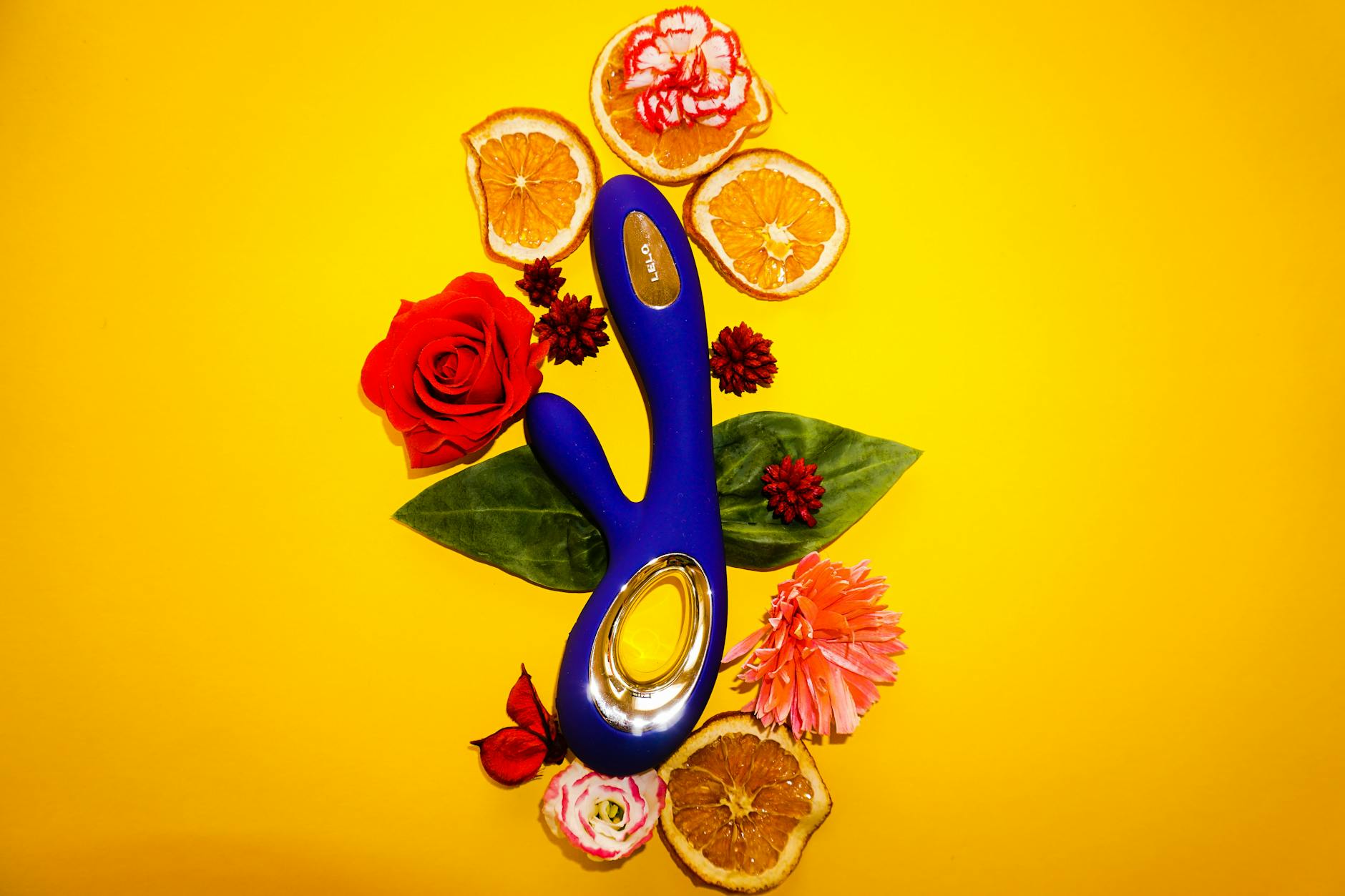
Here's the practical part. Air-suction vibrators like the ones Hello Nancy's Lemon Shop offers work particularly well during hormonal shifts because they don't rely on friction or direct pressure.
Think about it this way: if your natural lubrication is lighter or if direct touch feels less sensitive, a traditional vibrator that depends on friction might feel either too intense (if you're sensitive) or not quite right (if sensation is dampened). Suction-based stimulation bypasses that friction problem entirely. It creates a gentle vacuum that stimulates the thousands of nerve endings in your clitoris without depending on how slippery things are or how sharp your sensation currently feels.
The other advantage is pacing control. When arousal takes longer to build on hormonal contraception, you need a toy that lets you start at low intensity and gradually climb. Lemon sucker toys typically have multiple settings, letting you meet your body where it actually is instead of forcing it into a predetermined rhythm.
Four things I recommend to clients managing this shift:
1. Lengthen your warm-up intentionally. If arousal used to build in 10 minutes, budget 20 now. This isn't a problem. It's just new timing. Mental arousal (reading erotica, fantasizing, conversation with a partner) becomes more important because your body might not generate physical arousal signals as quickly.
2. Add lubrication even if you normally don't need it. Water-based lube is your friend here, regardless of what your hormone levels are telling your body. It's not a sign of dysfunction. It's just practical support. Use it.
3. Start your lemon vibrator at the lowest setting and work up. Don't jump straight to pattern 3 or 4. Your sensitivity has changed. Meeting that change with patience is way more effective than expecting your body to respond to yesterday's intensity.
4. Track which settings feel good now. Write it down if you're into tracking. Different birth control formulations, dosages, and your own cycle of hormone absorption all affect what feels right week to week. You're not overthinking it. You're learning your new normal.
There's a sneaky trap here. Many people interpret a shift in arousal or sensation as a signal that something's wrong with the relationship, or that they're losing attraction, or that their body is broken. None of those things are true. Chemistry changed. That's all.
If you're partnered: tell them. "I started birth control, and my body's arousal pattern feels different." That sentence does the heavy lifting. It separates body from relationship. It invites problem-solving instead of blame.
If you're solo: it's even simpler. You're just recalibrating what feels good. Lemon clitoral vibrators become less about "forcing" sensation and more about exploring what your body actually enjoys right now.
You might reach orgasm faster or slower depending on your formulation and your individual neurobiology. Some people find that once arousal builds, orgasm is more intense than before. Others find it's softer or takes longer to reach. There's no "right" experience here.
What matters is that you're not performing the sensation you used to have. You're discovering what it actually is now. That's way more sustainable than chasing a ghost of how things felt before.
If pleasure loss is severe, if you've lost all desire (not just arousal timing), or if you're experiencing pain that's new since starting birth control, chat with your gynecologist. Some formulations genuinely don't suit some bodies. Switching pills or trying a different delivery method (patch, implant, ring) can make a real difference.
If mood changes are accompanying the sensation shift, mention that too. Some hormonal contraceptives are correlated with mood changes in certain people. That's worth discussing with your provider.
Q: Does hormonal birth control permanently change my pleasure?
A: Nope. If you stop hormonal contraception, your baseline will shift back. That said, your pleasure might not feel identical to before. Your body and brain have grown and changed in other ways too. Think of it as an evolution, not a restoration.
Q: Can I use lemon vibrators on the placebo week of my birth control?
A: Absolutely. Your hormones are actually lower during that week (that's why you get a period or withdrawal bleed). Some people find sensation feels slightly sharper during placebo week. Others notice no difference. Experiment and see what you find.
Q: Will switching birth control methods help sensation issues?
A: Maybe. The hormonal profile of a patch, ring, implant, or progestin-only pill is different from a combination pill. If sensation changes are bothering you, it's worth exploring other formulations with your doctor. But know that some shift is normal with any hormonal contraception.
Q: Is it normal that orgasms feel different or softer on birth control?
A: Completely normal. Orgasm quality shifts with hormone levels, stress, sleep, and a dozen other factors. Birth control can flatten that variation (one of the reasons people like it), which can make orgasms feel more consistent but sometimes softer. It's not loss. It's change.
Q: Can lemon adult toys help me feel more sensation on birth control?
A: They can help you access pleasure more reliably. Whether that means more sensation or just more consistent arousal depends on your body. The suction-based design of lemon clitoral vibrators means you get stimulation that doesn't depend on friction or natural lubrication, which are both affected by hormonal shifts.
Q: Does libido actually drop on hormonal birth control?
A: Some people experience that. Others don't notice a change. It's individual and formula-dependent. If your libido dropped significantly after starting birth control and it's bothering you, that's worth discussing with your doctor. There might be a better formulation for you.
Your body on hormonal birth control is not a broken version of your pre-contraception body. It's a different neurochemical landscape with different rules for arousal, sensation, and pleasure. Learning those rules takes a few weeks. Using tools like lemon sucker vibrators designed with those shifts in mind makes the learning phase way less frustrating.
Start slow. Pay attention. Adjust as needed. Your pleasure matters, and Hello Nancy's Lemon Shop exists specifically to help you access it reliably, even when your chemistry shifts.
If you have questions about finding the right approach for your body right now, reach out at /contact. We're here to help you figure this out.