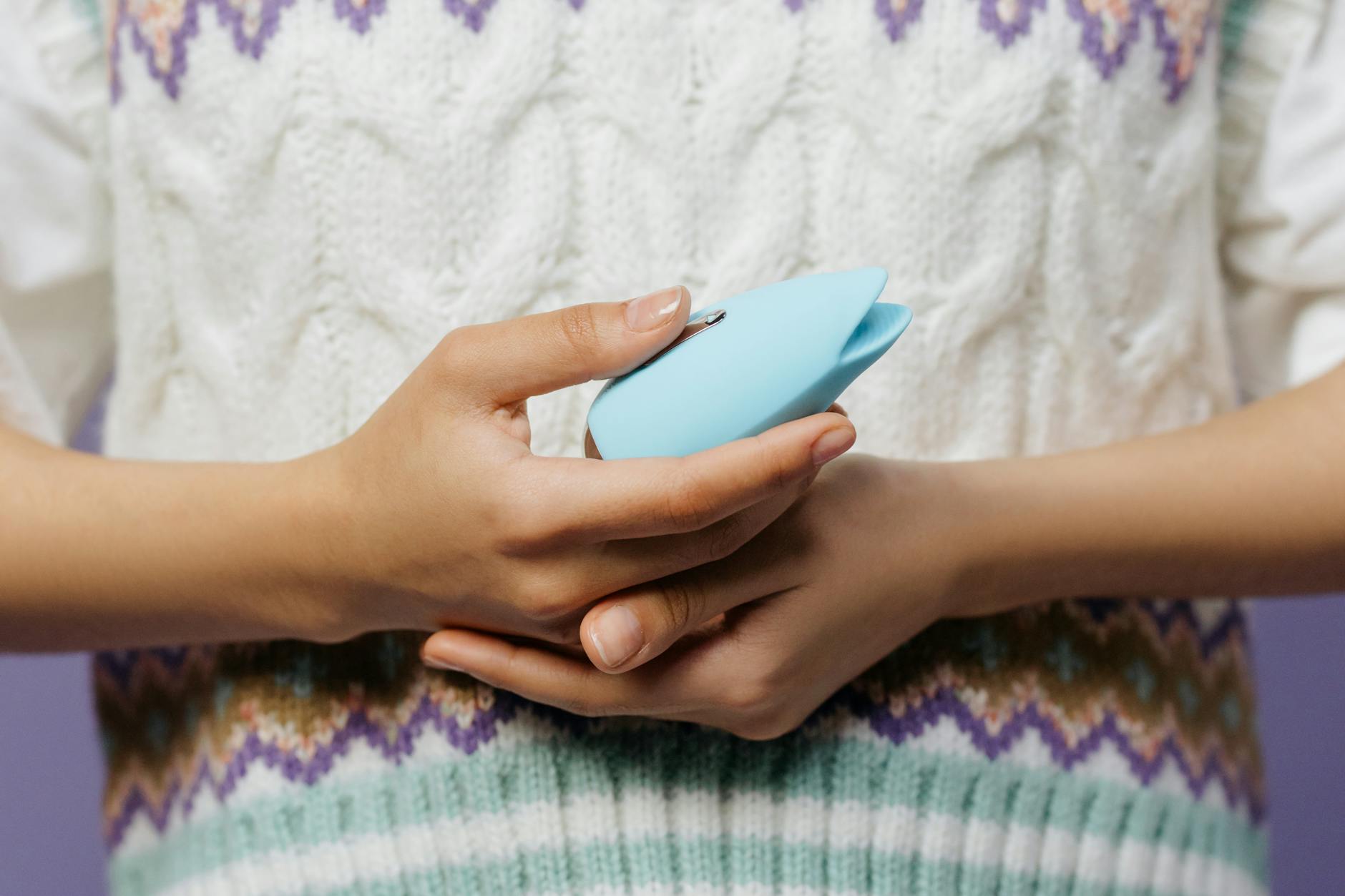
Let's talk about the lube problem nobody mentions
Lubricant is supposed to make things better. So when it burns, stings, or makes you feel raw instead, it's infuriating. You're not broken, your sensitivity isn't abnormal, and you're definitely not alone. Lots of people reach for lube to use with their lemon vibrator or other clitoral vibrators and find that the wetness feels worse than friction ever did.
Here's what's actually happening, and how to fix it.
Why some lubricants create irritation
Lubricant irritation isn't usually about being too sensitive. It's about what's in the lube. Most drugstore lubricants contain preservatives, glycerin, or osmolarity levels that don't match your body's pH and fluid balance. When you introduce a product that's too acidic, too thick, or packed with preservatives, your tissues respond by becoming inflamed. That burning feeling is inflammation, not weakness.
Glycerin is the big culprit. It's in most mainstream lubes because it feels slick and lasts a while. But glycerin is also a humectant, which means it pulls water from your tissues. Over time, especially with friction from a vibrator, that drying effect can feel like burning.
Preservatives like methylisothiazolinone or parabens trigger reactions in some people's tissues too. Your genital skin is thin and highly permeable. Chemicals that your arm wouldn't notice can cause real irritation down there.
Osmolarity matters more than you think
You've probably heard of pH balance, but osmolarity is the less-famous number that actually changes how your tissues respond. Osmolarity is how much dissolved salt and sugar is in the lube. If a lubricant is hyperosmolar (too high), it pulls water out of your cells. If it's hypoosmolar (too low), water floods in. Either way, your tissues get irritated.
Water-based lubes are the safest bet for use with lemon vibrators and other silicone or glass toys, but not all water-based lubes are created equal. Check the osmolarity. Below 305 mOsm/kg is the sweet spot. Most clinical-grade lubes hit this range. Mainstream brands often don't list it, which is a red flag.
The lubes that actually work
If regular lube irritates you, three formulas tend to work better:
Hyaluronic acid based. This is what your own tissues naturally produce. Hyaluronic acid lubricants mimic your body's fluid and rarely trigger reactions. They're thinner than glycerin-based lubes, so you'll need to reapply more often, but irritation drops dramatically. Brands like Hyalo Gyn and ÔH are specifically designed for sensitive tissue.
Coconut oil (if you're not using silicone toys). Pure coconut oil has natural antimicrobial properties and a pH closer to your body's natural balance. The catch: coconut oil breaks down silicone, so if your lemon clitoral vibrator or other toy has a silicone coating or is made of silicone, coconut oil is off limits. For glass or stainless steel toys, it's a solid option.
Slippery Elm or aloe vera based. These botanical lubricants are gentler and less likely to contain irritating preservatives. They're thinner and need reapplication, but they rarely cause the burning sensation that glycerin-based lubes do.
The testing method that saves time
Don't guess about which lube will work for your body. Test it on your inner wrist or forearm first. Your genital tissue is more sensitive, but if a lubricant causes redness or stinging on your wrist within 2-3 minutes, it will probably irritate you during sex or when using a vibrator too.
If the lube passes the wrist test, do a patch test on your vulva before using it with a toy. Apply a small amount to your outer labia, wait 5 minutes, and notice if there's any sting or burning. This takes 10 minutes total and saves you hours of discomfort.
Quantity and application matter too
You might think more lube is always better. It's not. Too much lubricant can actually increase irritation by trapping bacteria and creating an environment where yeast or bacterial overgrowth thrives. Start with a small amount. About a teaspoon is enough to start using a lemon vibrator or other clitoral vibrator comfortably.
Apply lube directly to the toy and your vulva, not just one or the other. Let it sit for 10-15 seconds before you start. This gives your tissues time to adjust and the lube to spread evenly. If you need more, add it gradually. Reapply every 5-10 minutes of use if you're using a water-based or botanical lube, since they dry faster than silicone-based options.
When to skip lube altogether
Here's the counterintuitive part: sometimes you don't need lube, even if you think you do. If you're using a clitoral vibrator like the Lem, it creates its own sensation through suction and pulsing. You're not sliding friction, so you need less glide than you would with a penetrative toy or manual stimulation.
Start without lube. Spend 3-5 minutes with just the vibrator on your skin. Many people find they naturally lubricate once arousal builds. If burning or discomfort shows up after 5 minutes, then add lube. But jumping straight to lube before your body has a chance to respond naturally can backfire.
If nothing works, see someone
If every lubricant irritates you, even clinical-grade hyaluronic acid formulas, that's worth mentioning to a gynecologist. Sometimes lube sensitivity points to vulvodynia, a sensitivity syndrome where your nerve endings react to anything, including lubricants. It's treatable, and a specialist can point you toward topical treatments that actually help.
The same goes if irritation is new and you didn't used to have this problem. Hormonal changes, antibiotics, or other medications can shift your vulva's pH and make you suddenly reactive to lubes you tolerated fine before. That's not permanent, but you might need to take a different approach while your system rebalances.
FAQ: Lube irritation and lemon vibrators
Why does my favorite lube suddenly irritate me now?
Your body's pH and microbiome shift with hormonal changes, medications, antibiotics, diet, and stress. A lube you used for years might become irritating if your genital ecosystem changes. If this is new, give it 2-3 weeks and try again. If irritation stays, switch formulas. Your body is telling you something has shifted.
Can I use a lemon vibrator without any lubrication at all?
Yes, especially if you use a clitoral suction vibrator like the Lem. Many people find they don't need lube at all for clitoral stimulation once arousal builds. Start dry and see how it feels. You can always add lube if you need it. This also eliminates lube irritation entirely.
What's the difference between water-based and silicone lube for vibrators?
Water-based lubes work with any toy material (silicone, glass, stainless steel, plastic) but dry faster and need reapplication. Silicone lubes last longer but can't be used with silicone toys because silicone breaks down silicone. For lemon vibrators and other lemon sexual toys, water-based is the safest bet.
Is burning during vibrator use always a lube problem?
Not always. Burning can also come from insufficient arousal before use, too much intensity too fast, friction against sensitive tissue, or an underlying condition like vulvodynia or hormonal changes. If pain happens with every lubricant and without lubricant, that's worth a gynecologist visit. If it only happens with certain lubes, the formula is the issue.
How do I know if a lubricant is safe for sensitive skin?
Check for three things: no glycerin, no parabens or methylisothiazolinone, and osmolarity under 305 mOsm/kg. If the label doesn't list osmolarity, look for brands that specifically market themselves as clinical-grade or designed for sensitive tissue. Hyaluronic acid based lubes are typically the safest bet for irritation.
Can lubricant irritation cause lasting damage?
No. Irritation is uncomfortable but temporary. Once you stop using an irritating lube, the burning and stinging fade within hours. That said, repeated irritation can make your tissues more reactive over time, so it's worth switching formulas as soon as you notice a problem. Your vulva isn't fragile, but it deserves care.
The bottom line
Lubricant irritation is fixable. It usually isn't about being too sensitive. It's about using the wrong formula. Test new lubes on your wrist first, start with a small amount, and remember that clitoral vibrators like lemon adult toys often need less lube than you think. If burning persists, hyaluronic acid-based formulas or botanical options tend to work better than mainstream glycerin-heavy brands. And if nothing helps, that's a conversation to have with your doctor. Your pleasure shouldn't come with pain.
Ready to explore what works for your body? Check out our buying guide for vibrator tips, or reach out if you have questions. Hello Nancy's Lemon Shop is here to help you feel good without compromise.