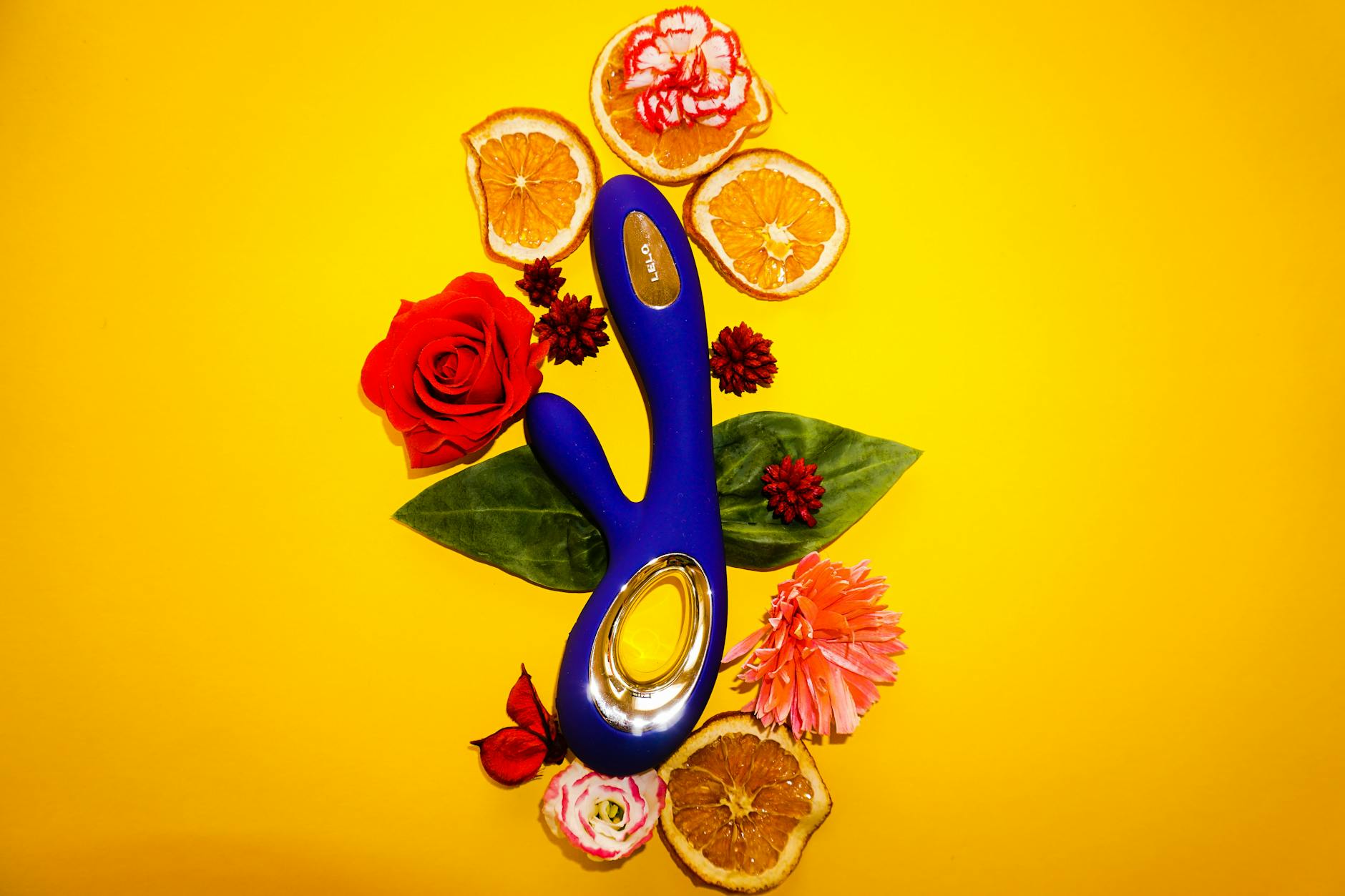
How to Use Lemon Vibrators When Partners Expect Orgasms Quickly
Let's be real. You're into them. The connection is there. But somewhere between the foreplay and the finish line, they've already made an executive decision about when this should be done. And you're nowhere near there yet.
This isn't about them being selfish. It's often about a mismatch in how arousal works for the two of you, mixed with some uncommunicated assumptions about what sex "should" look like. When one person's timeline is faster, the other partner can end up feeling like they need to speed up to keep up. Which kills your pleasure, kills the intimacy, and turns what should feel good into a performance.
The good news: lemon vibrators and clitoral suction toys change this dynamic entirely. Not because they're magic, but because they give you control over your own arousal. Here's how to use them when your partner thinks the clock is running out.
Why the rush happens in the first place
Three things drive this. First, there's a fundamental biological difference in arousal curves. People with penises often get hard, stay interested, and move toward orgasm in a relatively predictable 10-to-15-minute arc. People with vulvas have wildly different timelines. You might need 5 minutes or 50. Your arousal might dip and rise again. It's not linear.
Second, there's the cultural messaging they've absorbed. If most of their sexual experience comes from porn or even from a partner who naturally orgasms quickly, they believe that's the template. They're not intentionally ignoring your needs. They're following what they think is normal.
Third, sometimes it's genuine anxiety. They might worry that taking longer means something is wrong, or that if it goes on too long they'll lose their erection, or they're just uncomfortable with the pause and vulnerability of "let's slow down." Anxiety makes people speed up.
None of this excuses ignoring your pleasure. But it explains why the conversation often gets stuck. They think they're doing fine. You know you're not. And suddenly sex becomes a source of resentment instead of connection.
How lemon clitoral vibrators change the equation
When you introduce a lemon vibrator or any clitoral suction toy into the mix, something shifts. You're no longer dependent on their timeline or their pace. Your orgasm becomes your responsibility and your pleasure. That changes everything.
Here's the specific difference. Without a toy, you might be trying to orgasm through penetration or manual stimulation from them, which requires perfect timing, exact pressure, and sustained focus. And if they're rushing, your nervous system knows it. You can feel the impatience. Your body tightens. Orgasm gets harder, not easier.
With a lemon vibrator in your hands, you have direct control over your own clitoral stimulation. You can use it exactly how your body needs it. The pattern, the speed, the intensity, the rhythm. You're not waiting for them to figure it out. You're not modifying your needs to fit their timeline. You're exploring what actually works for you. And paradoxically, when you stop trying to please them with your orgasm and start focusing on your own sensation, orgasms come faster and feel better.
The Lem vibrator and other hello nancy lemon sexual toys are designed with this in mind. Suction-based stimulation offers broader, more diffuse pressure that lets you build arousal at your own pace without the intensity of direct friction that can make you numb if you're tense.
The conversation that has to happen first
Introducing a toy without talking about what's really going on is just a band-aid. If your partner thinks you need a vibrator because something is "wrong" with you, you've made it worse.
Instead, frame it like this: "I want to explore what feels good for me without worrying about timing. That means I might use a toy sometimes, and I want you to be okay with that because it's about me getting to know my own body better. It's not about you not being enough."
If they resist, that's worth exploring. Do they feel replaced by the idea of a toy? Are they worried it means you're not attracted to them? Are they uncomfortable with the vulnerability of watching you pleasure yourself? Those are real feelings that deserve an answer.
What doesn't need to happen: you explaining your anatomy, defending your timeline, or apologizing for how your body works. Your arousal is not a defect. It's just different from theirs. And a partner who loves you will want you to feel good, even if it means the shape of sex changes.
How to actually use a lemon vibrator in partnered sex
Start with a conversation about what you're hoping for: "I'd love to use a toy during sex so I can feel more of what I want without worrying about how long it takes. Are you comfortable with that?"
Then, practically speaking, there are a few ways this works.
Scenario one: They're inside you, you use the toy on your clit. This is the most common setup. You control the vibrator. They control their pace. You get dual stimulation. This works beautifully because you're not dependent on them to figure out the exact pressure you need on your clitoris. You handle that part. They handle the rest. No rushed timelines. No performance anxiety. Everyone's doing something that feels good.
Scenario two: You use the toy during foreplay. Get yourself partway there with the vibrator while they touch you or you touch them. Then, when you're aroused and closer to orgasm, you can move into penetration or other forms of sex. You're not starting from zero. You're starting from "already turned on." This removes the pressure to rush.
Scenario three: You use the toy after. Some people like to get their partner off first, then spend time with the vibrator on their own terms, with their partner present but not rushing. This completely eliminates the "finish together" expectation that can kill arousal. You get what you need. They're not watching the clock. There's actual relaxation on both sides.
Pick the scenario that feels right for your dynamic. And know that you can shift it week to week depending on what you need.
Building the language so this stays connected
Once you've started using lemon clitoral vibrators together, you need language that keeps sex collaborative instead of turning it into a solo act even though you're with someone.
Instead of "I need the toy," try "I want you to watch me get myself off" or "Can we go slower so I can really feel this?" Instead of pulling away, invite them closer. Let them see your pleasure. That's intimacy.
If they seem hurt or left out, check in. "This isn't about you. I just know exactly what I need to feel good, and I want to share that with you." The goal isn't to exclude them. It's to include yourself.
And here's the thing: once they see you fully present and genuinely aroused, most partners stop feeling anxious. They stop rushing. They relax into it. Because anxiety thrives in silence and confusion. Clarity and pleasure are calming.
When the resistance is real
Sometimes a partner won't soften on this. They'll say things like "You should be able to come from me" or "That means I'm not doing my job" or "I don't want to watch that." Those are statements about their insecurity, not about your body.
You cannot fix their insecurity by sacrificing your pleasure. That's the hardest boundary to hold, but it's the most important one. A partner who loves you wants you to feel good, period. They don't get to veto your orgasm or your tools for getting there.
If this is a deeper pattern, it might be time to talk to a couples counselor about how sex is being negotiated in your relationship. Because this isn't really about vibrators. It's about whose needs get to matter.
But in many cases, introducing a tool and having one solid conversation shifts things. Suddenly sex becomes less about performance and more about exploration. Less about finishing and more about feeling. That's when lemon vibrators stop being a solution to a problem and start being part of a richer, more honest intimacy.
Practical setup tips
A few logistics that help: use water-based lubricant on and around the vibrator for comfort and glide. Keep the toy accessible before you start, so it's not an awkward scramble mid-session. Let your partner know you might need a few moments to find the right pressure or pattern. That's not rejection. That's presence.
If penetration-plus-vibrator feels overwhelming, you don't have to do it that way. Solo play with your partner present is just as valid. Foreplay with the toy is just as valid. Slowing everything down is just as valid.
The point is: your timeline matters. Your pleasure matters. And a lemon clitoral vibrator gives you the tools to honor both without waiting for someone else to figure out what you need.
People also ask
Will using a vibrator make my partner feel inadequate?
Only if you hide it or frame it that way. Plenty of partners actually get excited about the idea that you're more aroused and present during sex. The key is introducing it as "I want to feel more of what I want" rather than "you're not enough." Those are different conversations. One builds connection. The other creates shame.
Can I use a lemon vibrator during sex if my partner has anxiety about premature ejaculation?
Actually, yes. It might help. If they're worried about lasting long enough, and you're using a vibrator to get to orgasm faster without relying on penetration alone, that takes the pressure off both of you. Less pressure means their nervous system can relax. Which means they'll actually last longer. It's a win.
What if my partner wants me to come faster and isn't willing to compromise?
Then you have a compatibility issue that goes deeper than sex. That's about whether they respect your body and your needs. A vibrator won't fix that. A conversation about boundaries and respect might. And if that conversation doesn't lead anywhere, it might be time to think about whether this relationship is serving you.
Should I hide using a vibrator if my partner disapproves?
No. Hiding your pleasure teaches you shame and breaks trust. If you need to hide something about your sexuality to stay safe in your relationship, that's a flag. Address it directly or get support from a therapist. But don't internalize the shame.
Is it better to use a lemon vibrator alone or with a partner?
Both are valuable, and they're different. Solo play is about learning your body and what you want. Partnered play is about sharing that knowledge and building intimacy. Ideally, you do both. Some of your best insights about your pleasure will come from solo exploration with a toy, and you can bring that knowledge into partnered sex.
How do I talk to my partner about using a lemon clitoral vibrator without making it weird?
Treat it like any other tool that makes sex better. "I've been thinking about trying a vibrator. I think it could help me relax and feel more of what I want. Would you be open to that?" Same tone you'd use asking if they want to try a new position. Confidence is sexy. Shame is not.
The real shift
When you stop contorting your arousal to fit someone else's timeline and start owning what you need, sex stops being a performance. It becomes a conversation. A lemon vibrator or any clitoral suction toy is just a translator. It helps you tell your partner: "Here's what I need. Here's what feels good. Here's my pleasure on my terms."
And a partner worth keeping will listen.
Ready to explore what your body actually needs? Start with solo play first. Learn your rhythm without an audience. Get comfortable with your own pleasure. Then bring that knowledge into your relationship. That's when real intimacy happens.
Have questions about how to navigate this specific dynamic in your relationship? Reach out to us. We're here to help.