Touch anxiety is real, and it's not something to push through
Here's what I tell clients in my office: if your body tenses when someone reaches for you, if you flinch before you think about it, if sex has become something you endure rather than something you choose, that's not a flaw in you. That's your nervous system doing its job. It's protecting you. The question isn't how to ignore that feeling. The question is how to work with it, slowly, at a pace that feels manageable.
Touch anxiety shows up differently for everyone. Sometimes it's rooted in past trauma. Sometimes it's from a partner who didn't respect your boundaries. Sometimes it's from months of unwanted pressure, or from health issues that made sex painful. The cause matters less than the solution: you need to rebuild trust in your own body, and in the experience of sensation itself.
Why lemon vibrators work for anxiety-driven avoidance
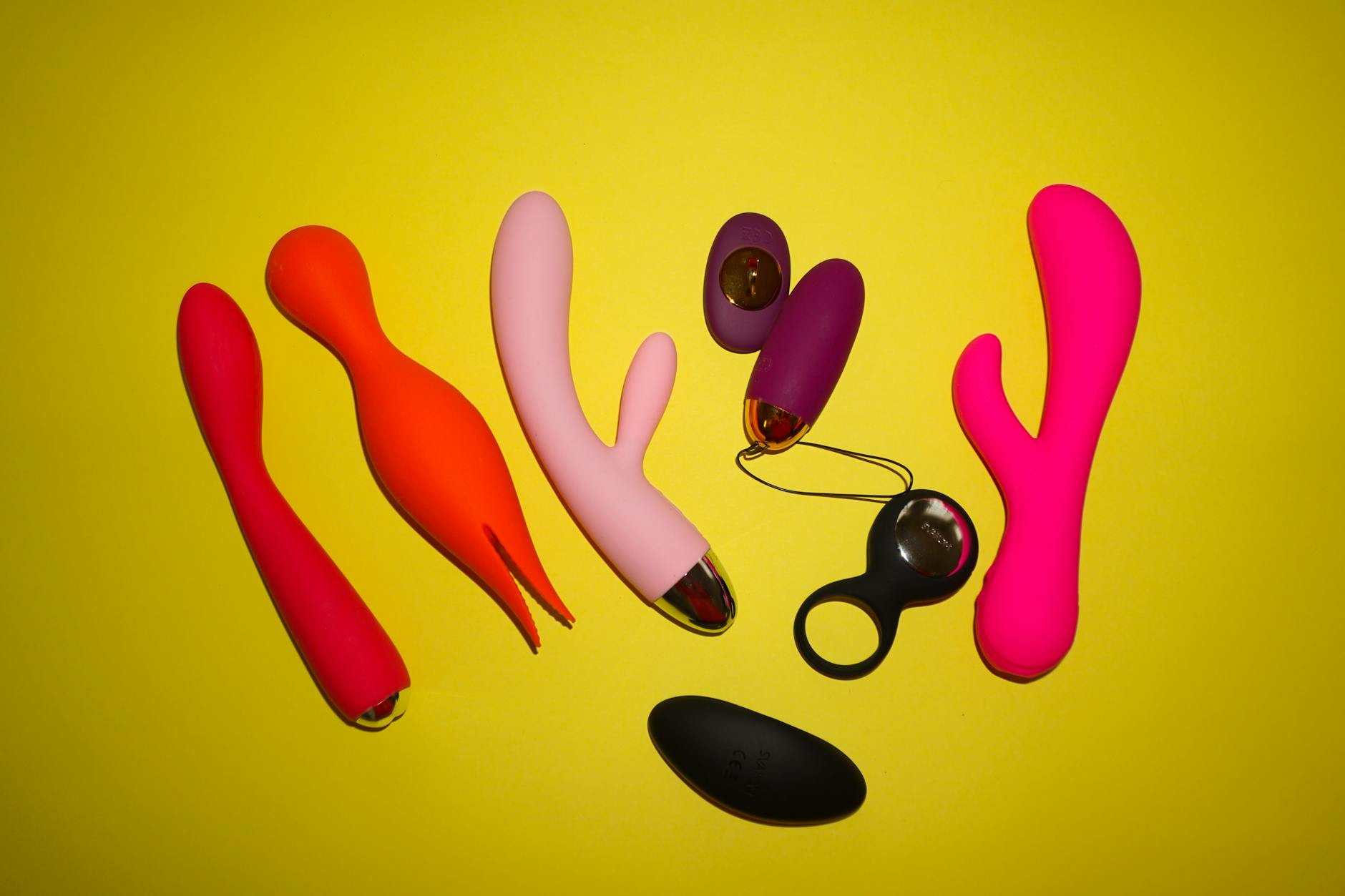
This is where something like the Lem vibrator or other lemon clitoral vibrators become genuinely useful. Not because they're magic, but because they solve a specific problem: you control everything. The intensity, the rhythm, the pressure, when it starts, when it stops. There's no negotiation required. No one else's needs in the room.
That predictability matters enormously when your nervous system is in a state of hypervigilance. A partner's touch is unpredictable by nature. Hands vary in pressure. Rhythm shifts. Intent gets misread. Even with the most loving partner, there's always a tiny question mark. With a lemon sexual toy, there isn't. You decide, and it responds exactly as promised.
Beyond control, suction-based stimulation like the Lem offers something else: it doesn't feel like what triggered you in the first place. If touch anxiety is rooted in penetrative sex, or in partner-initiated contact, or in rough handling, a lemon clitoral vibrator provides sensation that exists in a completely different category. Your brain recognizes the difference. Your body often relaxes into it.
The nervous system piece: why rushing defeats the purpose
When you're working with touch anxiety, your nervous system is running at a higher baseline than someone without that history. This means two things: you'll need more time to warm up, and you'll benefit enormously from routine and consistency.
I recommend starting with external application only. No insertion, no partner involvement. Just you, your chosen lemon vibrator, and the space to explore without any timeline. Set aside 20-30 minutes where you're not worried about being interrupted. Close the door. Mute your phone.
Start at the lowest intensity setting. For many people with anxiety histories, intensity 1 or 2 on the Lem vibrator is the right starting point. The goal isn't orgasm. The goal is sensation. Let your body remember what pleasure without fear feels like.
If you notice yourself tensing, that's not failure. That's information. Pause. Breathe. Maybe apply a bit of water-based lubricant. The lube serves two purposes: physical comfort and a psychological signal that this is intentional, prepared care you're giving yourself.
Building a safety container around solo exploration
One of the most underrated parts of rebuilding after touch anxiety is ritual. Not in a spiritual sense. In a practical sense. Your nervous system loves predictability.
Create a space that feels completely yours. Maybe it's a specific room, a specific time of day, a candle, a blanket. Nothing elaborate. But something that your brain learns to associate with safety and choice. Over time, entering that space itself becomes a signal to your nervous system: this is a context where you're in control.
Keep a lemon vibrator specifically for this use. Not one you feel pressure to use "correctly" or to perform with. One that's just yours, for exploration at whatever pace feels right. Hello Nancy's Lemon Shop products are designed with this in mind. The lemon clitoral vibrator is intuitive enough that you can use it without thinking about technique.
If you're working with a therapist on trauma, this can be useful to mention. Not as confession, but as information. Many trauma-informed therapists now recognize solo pleasure work as part of nervous system healing. You're not avoiding the work. You're building capacity.
When you're ready to involve a partner (if you want to)
This doesn't have to happen. Solo exploration with lemon sexual toys is complete and valuable on its own. But if you have a partner and you eventually want to reintegrate them, there's a framework that often works well.
First, your partner needs to understand what touch anxiety actually is. It's not about them. It's not about your attraction to them. It's about your nervous system's history. A good partner can grasp that distinction. If they can't, or if they make it about themselves, that's a separate problem you might want to address with a couples therapist.
Second, you stay in control of the introduction. Maybe that means showing them your lemon vibrator in a neutral context first, not during sex. Maybe it means using it solo while they're present but not touching you, just so they can see you enjoying yourself. Maybe it means they hold the lemon clitoral vibrator while you guide their hand.
The key is slowness and explicit communication. "I like this sensation at this intensity" or "I need you to pause" should never feel risky to say. If they do, you have more work to do solo before bringing them back in.
The timeline: there's no standard speed
One of the cruelest myths about recovering from touch anxiety is the idea that there's a normal timeline. There isn't. Some people move from anxiety to comfortable partnered sex in a few months. Others take a year or longer. Both are fine.
Your job isn't to move fast. Your job is to rebuild trust in your body's ability to experience pleasure safely. That sometimes requires patience that feels almost unreasonable. It's not. You're rewiring neural pathways that were shaped by fear. That takes time.
Keep using your lemon vibrator as long as it feels useful. There's no graduation point where you "should" move on. Some people who've done extensive healing work still prefer solo exploration with a lemon clitoral vibrator to partnered sex. That's not incomplete healing. That's knowing what works for you.
When to bring in professional support
If touch anxiety is rooted in trauma, solo exploration is helpful but not sufficient. A trauma-informed therapist can help you understand where the anxiety comes from and whether it's tied to a specific person, a specific context, or touch in general.
If you notice that anxiety is spreading. spreading beyond touch into other areas (crowds, eye contact, being watched), that might indicate your nervous system needs more support than vibrators alone can provide. That's when EMDR, somatic experiencing, or cognitive processing therapy become valuable.
If you're in a relationship and touch anxiety is creating distance, couples therapy specifically for sexual healing can help both partners understand what's happening and rebuild intimacy at a pace that works for both of you.
Hello Nancy's Lemon Shop exists to help you explore pleasure on your own terms. But if your anxiety is severe, adding a therapist to the picture isn't a step backward. It's adding another tool to a toolkit that already includes your lemon sexual toy.
The thing no one tells you
Most people emerge from touch anxiety with a different relationship to pleasure than they had before. Not worse. Different. Often better. They know exactly what they need. They can ask for it clearly. They've rebuilt a sense of ownership over their body that's actually more confident than it was before.
That's not a small thing. That's the opposite of what anxiety tries to convince you: that you're broken, that pleasure is dangerous, that your body is something that happens to you rather than something you inhabit. Using a lemon vibrator isn't skirting around the real work. It's the real work. It's you, deliberately, reclaiming sensation as something that belongs to you.