Let's start with the medication elephant in the room
You're taking a drug that keeps you alive or sane or functional. And it's making sex feel like moving through wet concrete. Here's the truth: that trade-off is real, and it's not your imagination.
Antidepressants (especially SSRIs), beta blockers, antihistamines, and certain hormonal contraceptives can all suppress arousal, numb sensation, or make orgasm feel distant or impossible. The mechanism varies. Some block dopamine or norepinephrine. Others reduce blood flow. A few flatten the entire neurological cascade that leads to pleasure. None of them are "your fault," and all of them are solvable.
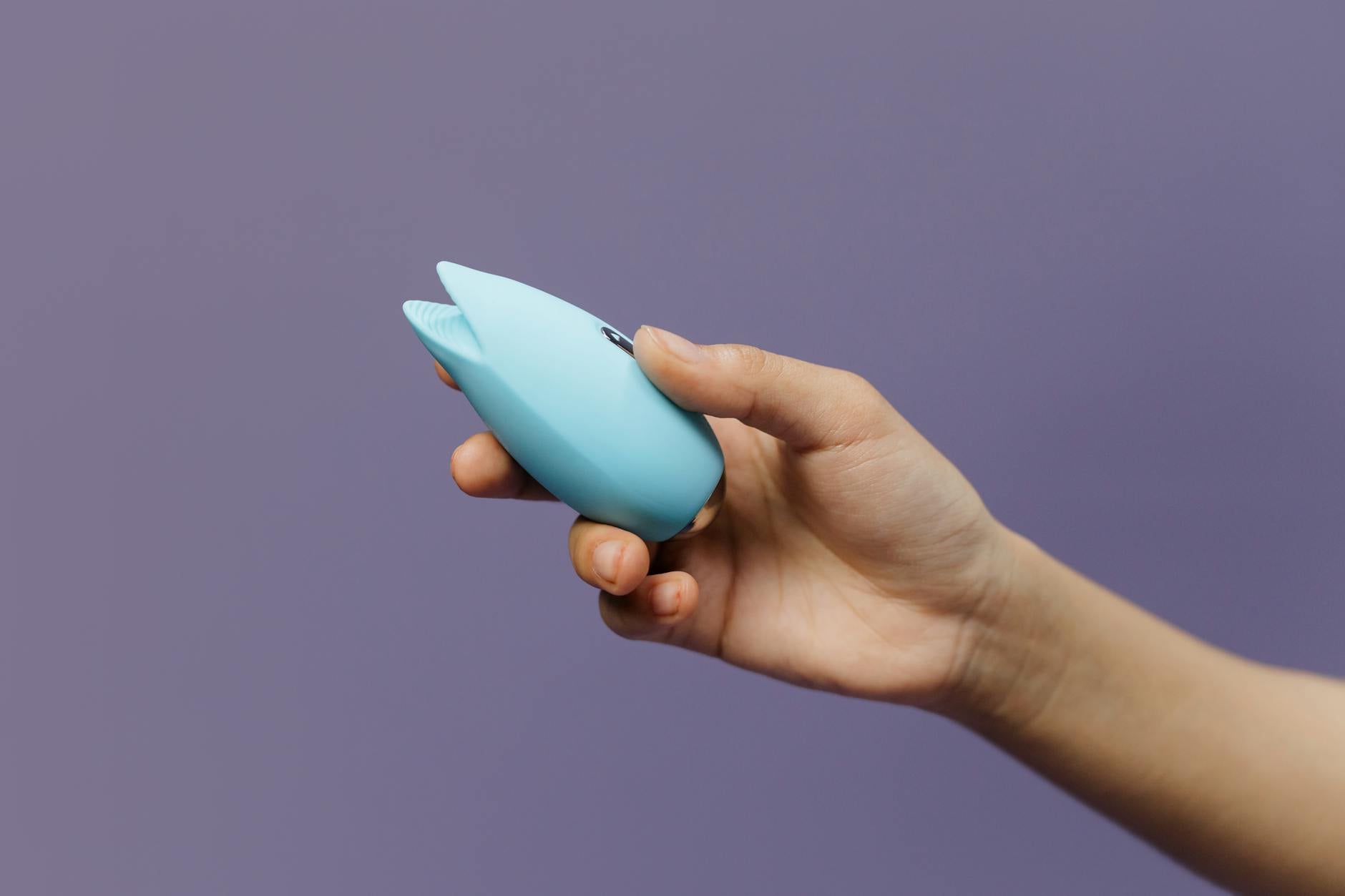
Lemon clitoral vibrators, specifically ones that use suction-based stimulation like the Lem, offer a different pathway to arousal when standard touch no longer works. They bypass the problem rather than fighting it head-on.
Why medication numbs sensation in the first place
Orgasm and arousal depend on a chain reaction: nerve signals fire, blood vessels dilate, muscles contract, and your brain registers pleasure. Medication can interrupt this chain at any point.
SSRIs are the biggest culprit. They flood your brain with serotonin, which is excellent for mood but terrible for sexual response. Serotonin actively suppresses dopamine and norepinephrine, the neurotransmitters that drive desire and arousal. About 40 percent of people on SSRIs experience sexual side effects. Some notice a flat libido. Others can still want sex but can't finish. A third group feels nothing at all.
Beta blockers, used for hypertension, reduce adrenaline output. Adrenaline makes your heart race and your blood vessels pump. Remove it, and genital blood flow drops. Less blood means less swelling, less sensitivity, less urgency.
Antihistamines (like cetirizine or fexofenadine) work differently. They cross the blood-brain barrier and can quiet the entire central nervous system, dampening signal transmission throughout the pelvic region.
The good news: this isn't permanent. Your nervous system can learn new routes to pleasure. And lemon sucker vibrators provide exactly that kind of different stimulus.
How clitoral vibrators work when touch feels numb
Standard touch, during medication side effects, often feels muffled. The receptors are still there. The nerve endings haven't died. But the signal isn't loud enough to reach the brain.
A lemon clitoral vibrator works by amplifying and changing the type of input. Instead of pressure (which may feel dull under medication), you get rapid, rhythmic suction or vibration. This creates a different sensory pathway. Even when baseline sensation is suppressed, you can often feel a 10,000 RPM motor or a suction pulse that wouldn't be possible with your hand alone.
The Lem, Hello Nancy's lemon sexual toy, uses suction technology specifically designed to work on genital tissue that's less responsive. Because it doesn't require heavy pressure, it won't numb you further (numbing happens with repetitive friction on already-numb tissue). Instead, suction pulls gently on the clitoral hood and surrounding tissue, stimulating a larger nerve network at once.
The result: sensation feels amplified. Your brain gets a louder signal, even if the baseline is quieter than before medication.
The practical side effects to expect (and plan for)
Medication numbs sensation. So when you add a clitoral vibrator, here's what often happens in the first weeks.
You might not feel it at first. Don't panic. Your nervous system has been turned down for weeks or months. One session with the Lem won't restart it. You're training it back to responsiveness.
Orgasm might feel different when it returns. Not bad, just unfamiliar. Under medication, your baseline arousal was flat. When sensation returns (even partially), the difference can feel shocking. An orgasm that's half as intense as pre-medication can still feel powerful relative to the numbness you've been living in.
Patience is the only real ingredient. If you're on an SSRI, talk to your prescriber about timing: some people find their libido bounces back if they take the medication at night instead of morning. Others ask about dose reduction or switching to a less libido-hostile antidepressant like bupropion (which affects dopamine, not serotonin, and often has zero sexual side effects). But while you're on what you're on, consistency with a lemon clitoral vibrator matters more than intensity.
Most people notice return of sensation within 2-4 weeks of regular use, at least 3-4 times per week. This isn't magic. It's neuroplasticity. You're creating a new, louder signal that your brain has learned to recognize.
Building a routine that works with your medication schedule
Timing matters more than you'd think.
If your SSRI or blood pressure med is making you fuzzy in the morning, schedule pleasure time for the afternoon or evening when side effects are mildest. If your antihistamine wears off in the evening, that's your window. You're not fighting against the medication's peak concentration.
Start with 10-15 minutes, not 30. Your nervous system is depleted. Short, consistent sessions train arousal better than rare, marathon attempts. You're teaching your brain that "this stimulus matters" and "this nerve pathway is open."
Use water-based lubricant even if you produce lubrication naturally. Medication often affects lubrication too, and a little extra helps a lemon sucker vibrator work more smoothly without creating friction that numbs further. Think of it as removing one variable so your nervous system can focus on the job.
When you do feel something, pause. Note it. Your brain is waking up. A single flash of sensation across the clitoris is a win. Many people under medication chase intensity and miss the early signals that pleasure is coming back. A moment of tingling or a micro-contraction in the pelvic floor means the chain reaction is starting.
When to talk to your doctor about medication adjustments
If sexual side effects are severe enough to affect your quality of life, your prescriber should know. This isn't vanity. Sexual function is part of health.
Three conversations to have:
1. Timing adjustments. Some people benefit from taking their SSRI right after sex rather than before. The drug still works, but you get a window of relatively normal sensation.
2. Dose reduction. Sometimes 50 mg of an antidepressant works as well as 100 mg for your mood but with fewer sexual side effects. Not always, but worth asking.
3. Medication switch. If your current drug is unbearable and alternatives exist, mention it. Bupropion, tricyclic antidepressants, and some other classes have different side effect profiles. This isn't about being picky. It's about finding a medication that keeps you well without erasing pleasure.
Using a lemon clitoral vibrator is not a replacement for these conversations. It's a complement. Medication keeps you alive. A vibrator helps you live.
Rebuilding pleasure identity when it's been stolen
Here's something nobody mentions: medication side effects don't just numb sensation. They numb your sense of yourself as a sexual person. After weeks or months of not feeling arousal, not wanting sex, not being able to orgasm, you internalize a story: "This is who I am now."
It's not. It's a side effect. But your brain doesn't know that. So when you pick up a lemon vibrator and nothing happens the first time, it's easy to believe the story you've been telling: "I'm broken. It's permanent."
It's not. Your nervous system responds to consistent input. Lemon sexual toys, especially ones designed for clitoral stimulation, provide input your dulled system can actually register. And over weeks, that input rewires your brain's expectation.
The reclamation isn't quick. But it's real.
FAQ: Medication side effects and lemon vibrators
Can a lemon vibrator cause numbness if I use it while on an SSRI?
No. In fact, the opposite. A lemon clitoral vibrator like the Lem works because it doesn't rely on friction or pressure, which can cause or worsen numbness. Suction stimulation, instead, pulls on tissue without repeated surface contact. The risk of numbness comes from using a vibrator too intensely on tissue that's already suppressed. Start at pattern 1 or 2 on the Lem and work upward slowly, taking rest days between sessions.
How long does it take for sensation to come back after starting a clitoral vibrator?
Most people notice initial changes within 2-4 weeks of consistent use (3-4 times per week). Full return to pre-medication sensation often takes 8-12 weeks, depending on how long you were on the medication and which medication it was. SSRIs tend to take longer to release their grip than other classes.
Should I switch my medication if it's killing my sex drive?
Not automatically. Medication keeps you alive. But sexual function is real health. Talk to your prescriber about adjustments: timing changes, dose reductions, or switching to an alternative that works similarly for your condition but with fewer sexual side effects. Some medications (like bupropion) rarely cause sexual side effects at all. Your doctor won't know this matters unless you tell them.
Can lemon sucker vibrators work if I have zero libido from medication?
Yes. Libido and physical arousal are not the same thing. You can have flat desire but still develop physical response to stimulation. A lemon clitoral vibrator provides the stimulus your body needs to remember how to respond, independent of whether you "feel like" sex. Over time, physical arousal often rebuilds desire.
Is using a lemon vibrator while medicated different from before medication?
It can feel very different at first. Your baseline sensitivity is lower, so sensations feel quieter initially. The path to orgasm may feel longer. But as your nervous system retrains, lemon vibrators often feel more intense and reliable than they did pre-medication, because you're now more attuned to the specific input they provide. Many people report better orgasms after retraining.
What if the medication side effects are affecting my partner relationship?
This is worth addressing directly. <a href="/blog/how-lemon-vibrators-help-when-partner-communication-about-pleasure-feels-impossible">How Lemon Vibrators Help When Partner Communication About Pleasure Feels Impossible</a> covers opening that conversation. The short version: your partner probably knows something has shifted. Naming it removes the shame and opens space for collaborative problem-solving. A lemon clitoral vibrator can be part of reconnection if you're both willing to explore it.
The path forward
Medication numbs. Lemon vibrators amplify the signal your nervous system can still hear, even when everything feels flat. The combination of consistent stimulation, patience, and honest conversation with your healthcare provider rebuilds the chain reaction that leads to pleasure.
Sensation returns. Desire follows. Your body hasn't forgotten how. It's just waiting for the right input to remember.
If you're navigating this and want to talk through specifics, <a href="/contact">Hello Nancy's Lemon Shop is here to help</a>.