Let's talk about timelines that don't match reality
You've been told pleasure will come back in weeks. Maybe months. Then weeks turn into months, and months turn into something that feels like it might not come back at all. That's the gap between what people promise and what bodies actually do.
Here's what I know from working with people through recovery: the timeline almost never matches the prediction. And that doesn't mean something's wrong with you. It means the prediction was too optimistic.
Why arousal recovery isn't linear
Pleasure recovery depends on about seventeen different things happening at once. Your nervous system needs to calm down. Your hormones need to restabilize. Your brain needs to stop running a threat assessment every time you think about sex. Your pelvic floor needs to release. Your partner (if you have one) needs to be aligned. You need sleep. You need to not be stressed. You need to actually want this to happen.
If any one of those isn't in place, the timeline stretches. If three aren't in place, you're looking at months instead of weeks. If you're dealing with trauma, burnout, relationship friction, and hormonal shifts simultaneously, you're looking at a genuinely different conversation than what most guides give you.
This is actually normal. Recovery isn't a straight line; it's more like climbing stairs with a few steps backward mixed in.
The plateau problem
Most people report that arousal comes back quickly at first, then plateaus hard. You get excited for a few weeks, notice sensation returning, then hit a wall where nothing feels different anymore. This happens around week 4-6 for most people.
What's happening: your nervous system has hit the edge of what feels safe. Moving past that point requires something to shift. That something is usually psychological, not physical. Maybe you need to let go of performance pressure. Maybe you need to feel truly alone, without someone watching. Maybe you need to stop timing yourself. Maybe you need to rebuild intimacy in a totally different way with your partner.
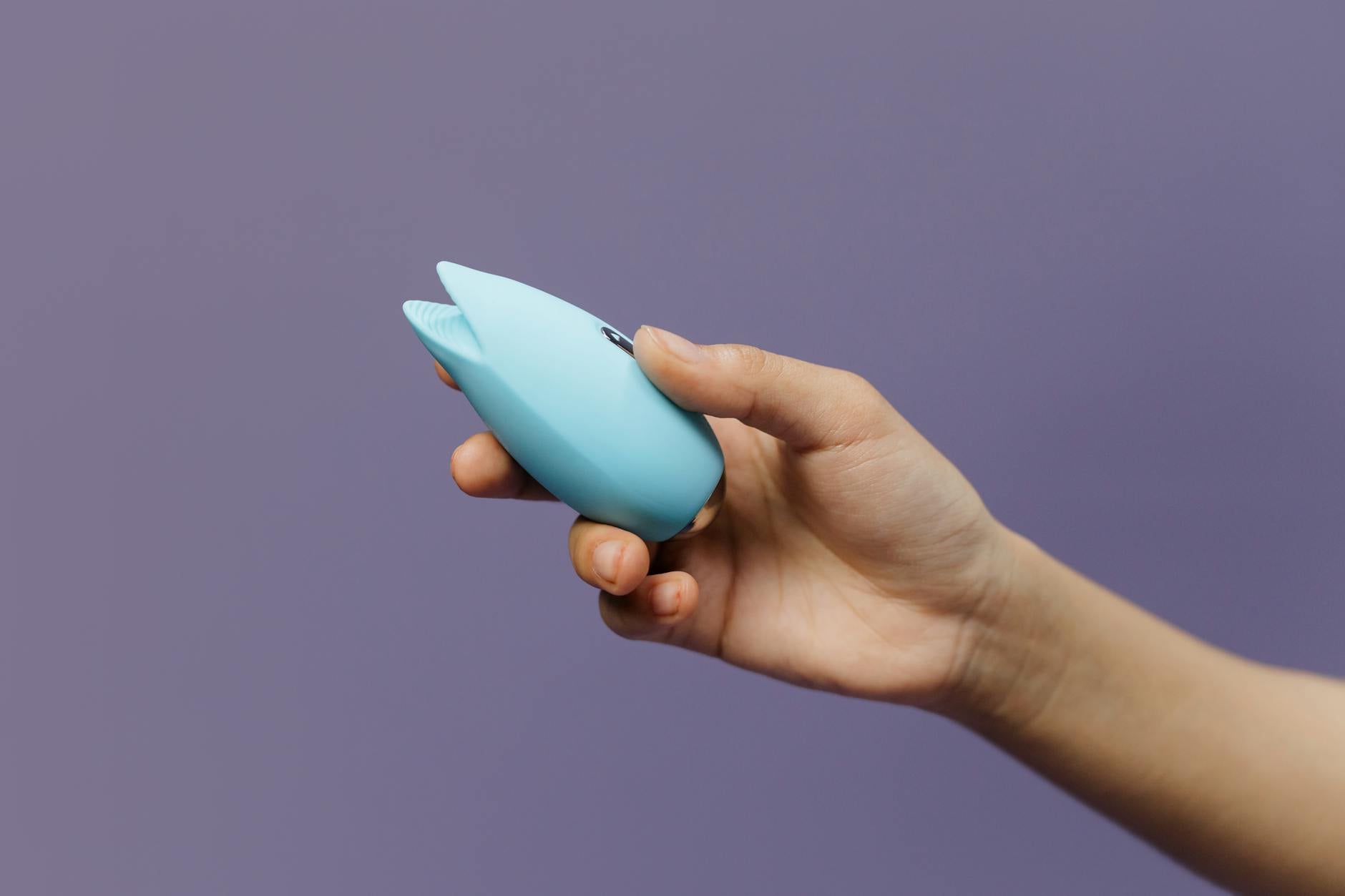
A lemon clitoral vibrator can help here, but not because it'll magically push past your threshold. It helps because the sensation is different enough from what you've been doing that your brain gets interested again. Air-suction stimulation bypasses the direct friction that sometimes feels overwhelming when recovery stalls. Your nervous system isn't as easily triggered, so you can stay in the experience longer.
When sensation returns unevenly
Here's a weirdly common thing: one area of your body wakes up while another stays numb. Maybe your clitoris is responsive but penetration feels like nothing. Maybe one side of your vulva has feeling back but the other doesn't. Maybe your brain is ready but your body won't cooperate.
This uneven recovery is completely normal and rarely means anything is permanently wrong. Your nervous system is literally remapping sensation. That process doesn't happen evenly.
With uneven recovery, patience with tools like the Lem becomes crucial. You're not trying to force sensation back. You're giving your body low-pressure opportunities to remember what pleasure feels like. The air-suction technology on lemon sexual toys works differently than vibration alone. It creates a gentle pull that often feels more approachable when sensation is fragmented or unstable.
Start with the lowest settings. Spend time exploring what does feel good, rather than chasing what used to feel good. That shift in mindset takes longer than most people budget for, but it's the actual turning point.
Emotional recovery takes longer than physical recovery
Here's the thing nobody emphasizes enough: your body can be physically ready before your brain catches up. Or your brain can be ready while your body is still protective. These don't always align.
If recovery stalled because of relationship tension, burnout, trauma, or just grief, then adding a more effective lemon vibrator won't move the needle much until you've addressed the underlying friction. That sounds obvious, but I watch people buy increasingly fancy adult toys hoping that the hardware will fix something that's actually a software problem.
Sometimes the most productive thing you can do with recovery is not more stimulation. It's honest conversation. It's therapy. It's rest. It's grieving what happened, whatever it was. The lemon toys can be part of that reclamation, but they're not the whole story.
When you're ready to add stimulation back in, lemon clitoral vibrators can feel less aggressive than other options. That gentler approach sometimes helps people who've been in protective mode for a long time feel safer exploring again.
Slowing down actually speeds things up
Most recovery guidance tells you to ease back in. That's true, but people interpret it wrong. They think easing back in means doing the same thing you did before, just less intensely.
What actually helps is doing something completely different. Different tool. Different positioning. Different timing. Different partner (if applicable) or different context entirely.
This is why I recommend lemon adult toys specifically when recovery is stalling. The sensation profile is genuinely different from a traditional vibrator. The air-suction technology feels like something new, even if intellectually you know it's still a clitoral toy. That novelty breaks the pattern your nervous system has locked into.
Spend 15-20 minutes exploring at the gentlest settings. Don't have a goal. Don't try to orgasm. Don't measure progress. Just notice what sensations are available today. Tomorrow might be different. Next week might be different again.
The role of patience in using lemon vibrators during slow recovery
Honestly, the tool itself matters less than the context. A lemon vibrator is useful during slow recovery because it can be used patiently. You're not fighting against a feature set that demands intensity. You're working with something designed for nuance.
Start at setting 1. Spend five minutes there. If it feels good, maybe move to setting 2 for the next session. If it feels good at setting 1 indefinitely, that's completely fine. There's no finish line where you graduate to a higher setting.
Many people find that slow recovery actually produces more sustainable pleasure in the long term. You're not trying to get back to where you were. You're discovering what feels good now, in this moment, with this body. That's genuinely different from the original experience.
When to push versus when to rest
There's a difference between productive frustration and burnout frustration. Productive frustration says, "I notice this isn't working yet, so I'll try something different tomorrow." Burnout frustration says, "I'm tired of trying and nothing is working."
If you're in burnout, the answer isn't a better toy. The answer is actual rest. Step back from intentional exploration for a week or two. Let your body relax without the pressure of recovery happening on schedule.
When you come back to it, lemon sexual toys can help reintroduce exploration without shame or performance pressure. But taking the break matters more than what you use when you return.
FAQ
How long should I expect arousal to take to return?
Really honest answer: anywhere from weeks to years, depending on what caused the numbness in the first place. Relationship rupture, trauma, medication changes, and hormonal shifts all have different recovery timelines. Six months to a year is a reasonable expectation if something significant happened. Three months is optimistic. Three weeks is wishful thinking.
Can using a lemon vibrator make recovery slower because I'm relying on a tool?
No. If anything, having a tool that feels manageable and low-pressure makes exploration feel safer. The risk isn't relying on the toy. The risk is using any toy as a way to avoid addressing the emotional or relational stuff underneath the numbness. If you're using a lemon vibrator as a band-aid for a relationship problem, that's the issue, not the toy.
Should I be aroused every time I use a lemon vibrator, even during slow recovery?
Absolutely not. During recovery, the goal is sensation, not arousal. Some sessions you'll feel nothing. Some you'll feel a little. Some you'll feel aroused but not orgasmic. All of that counts as progress. Stop measuring by the outcome and start measuring by whether you showed up and stayed present.
Does the lem vibrator work differently than other lemon sexual toys during slow recovery?
The Lem uses air-suction technology, which creates a different sensation profile than traditional vibration. Many people find this feels less overwhelming when they're recovering from numbness, because it doesn't involve the same kind of direct friction. It's often described as more of a pulling sensation than a buzzing sensation. That difference can matter a lot when your nervous system is still recalibrating.
What if using a lemon clitoral vibrator triggers anxiety instead of arousal?
That means your nervous system isn't ready yet, and that's useful information. Step back and try again in a few weeks. Forcing past anxiety doesn't build safety; it reinforces the pattern. Slow recovery means really slow sometimes.
How do I know if recovery is stalling because of my body or because of something emotional?
Your body usually tells you. Physical stalling feels like numbness that doesn't budge no matter what you try. Emotional stalling feels like you can access sensation, but there's resistance or shame or pressure right alongside it. Both are valid. Both need different approaches. Physical stalling sometimes needs medical attention. Emotional stalling needs time and often therapy.
The truth about slow recovery
Recovery on a realistic timeline is less dramatic than the fantasy version, but it's also more sustainable. You're not racing toward a finish line. You're slowly rebuilding a relationship with your own pleasure, and that takes the time it takes.
Lemon vibrators, including the Lem, can be a useful part of that process. They're gentle enough for fragile recovery and effective enough to make exploration feel purposeful. But they're a tool within a bigger picture of time, patience, emotional work, and real honesty about what stalled in the first place.
If you're in slow recovery and feeling discouraged, that's completely normal. You're not broken. You're just on a longer timeline than you expected. That doesn't mean you're failing. It means you're actually rebuilding thoughtfully, and that matters more than speed.