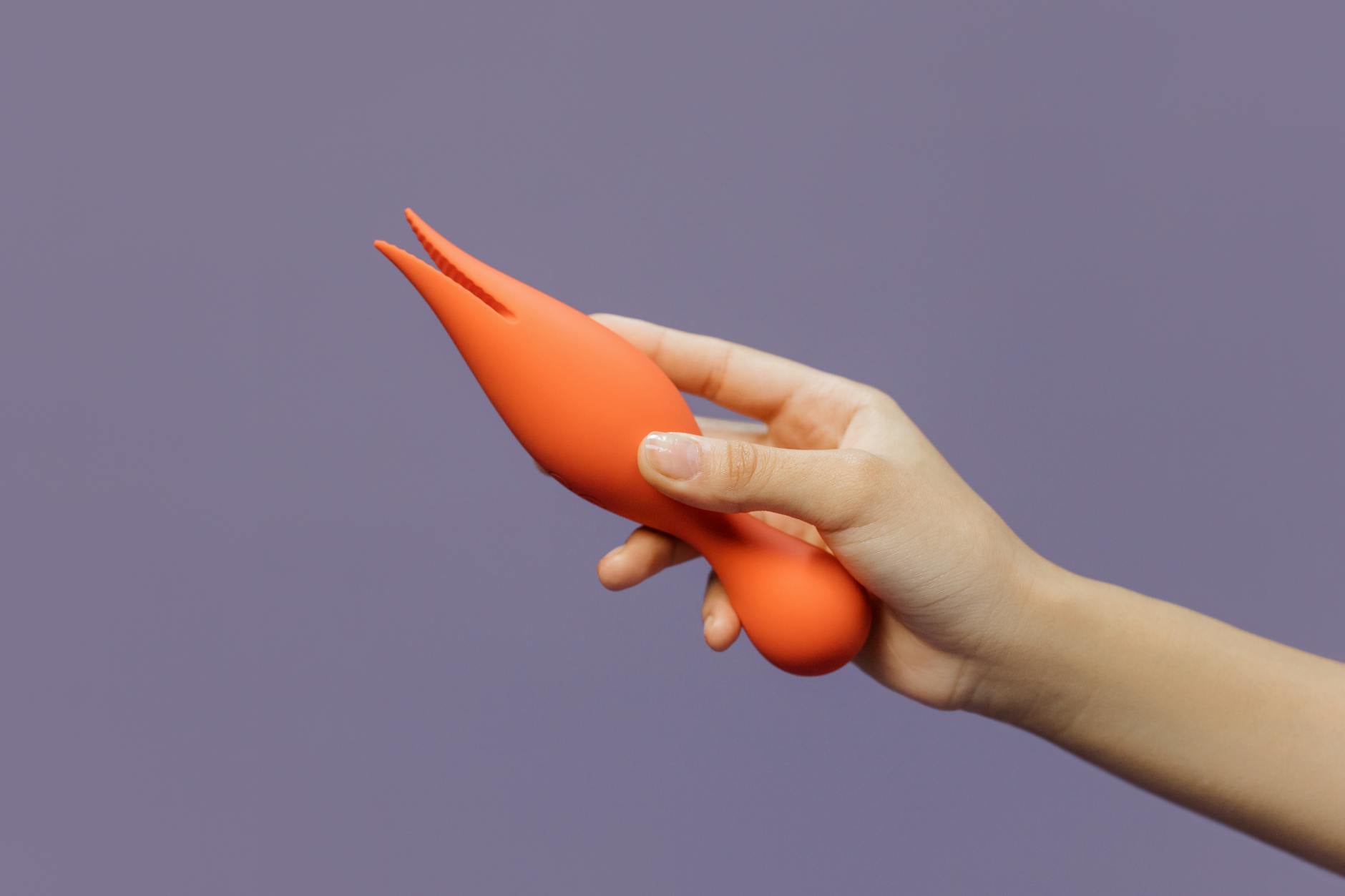
Here's what nobody tells you about post-surgical recovery and pleasure
After surgery, your whole body feels muffled. Not just the surgical site. Your clitoris, your nerve endings, your ability to feel pleasure. It's like someone turned the sensitivity dial down to 3 and left it there. The frustration isn't just physical. It's the grief of losing something you've always had, even if you didn't think about it every day.
The good news: sensation comes back. It's slow and weird and nonlinear, but it comes back. And when it does, the right tools make all the difference.
Why surgery mutes pleasure in the first place
Surgery is trauma to your body, even when it's necessary and planned. Anesthesia, inflammation, medications, scar tissue formation, and nervous system dysregulation all play a role. Your body is in survival mode. Resources go to healing the surgical site, not to maintaining baseline sensitivity everywhere else.
Addition to this: if your surgery involved your abdomen, pelvis, or nearby nerves, the effect is more direct. Your clitoris shares neural pathways with regions that might have been affected. Pain signals, swelling, and scar tissue can literally interrupt the messages your brain receives from your genitals.
The timeline varies wildly. Some people notice sensation returning within weeks. Others take months. And some plateau for a while, then have a breakthrough. None of these timelines is wrong.
The first phase: waiting and gentle exploration
During the first 2-4 weeks after surgery, don't use any vibrators. Listen to your surgeon. Once you're cleared for sexual activity (usually 4-6 weeks), waiting a bit longer won't hurt your recovery, and it makes the comeback better.
When you're ready to explore again, start with non-vibrating touch. Your own hand. A partner's hand. No pressure for anything to happen. The goal is just to notice what you feel. Numbness. Tingling. Nothing. All normal.
This phase is boring and can feel pointless. It's not. You're teaching your nervous system that this area is safe again. You're rebuilding the neural pathway from your clitoris to your brain.
Moving to vibration: why lemon clitoral vibrators work here
When you're ready to bring vibration back in, the design of your toy matters more than usual. A broad, gentle suction pattern like the Lem vibrator works better for post-surgical bodies than a traditional vibrator. Here's why.
Clitoral suction spreads stimulation across a larger area instead of focusing it on a single point. After surgery, concentrated pressure can feel painful, overwhelming, or numb all at once. Suction feels like an opening, not a jab.
Start on the lowest setting. Pattern 1. That's your starting point, not your destination. Let your body tell you if it needs more, and be patient if it doesn't.
The practical roadmap for slow sensation return
Week 1-2 of vibration use: solo, no pressure. Use the lemon vibrator for 5-10 minutes once every 2-3 days. Don't aim for orgasm. The goal is sensation mapping. Where do you feel it? Where is it numb? Where is there tingling? Keep a low-key note of what happens.
Week 3-4: increase to twice a week, still 5-10 minutes. You can now spend the first few minutes on lowest setting, then experiment moving to pattern 2 if it feels good. If numbness is still total, stay on pattern 1. There's no prize for advancing.
Week 5+: you're starting to feel the difference. Extend sessions to 15-20 minutes if you want. You can now experiment with higher patterns, but only if the lower ones feel boring, not uncomfortable. Many post-surgical bodies never need above pattern 2 or 3. That's completely fine.
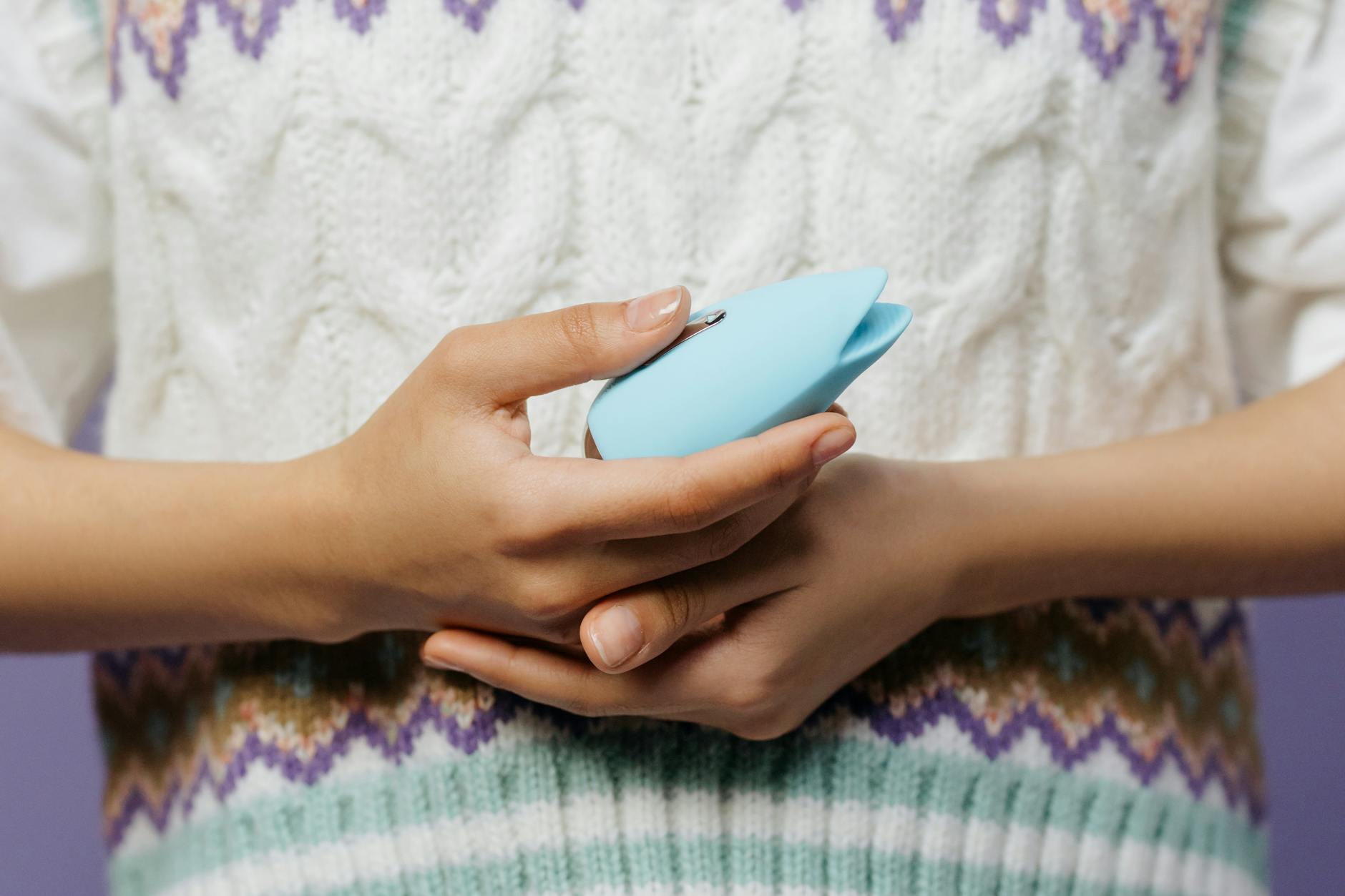
Photo by cottonbro studio on Pexels
If you have a partner, involve them when you're comfortable. Let them hold the vibrator. Let them watch. Don't perform. Just explore together. If you're solo, that's equally valid.
What slows sensation return (and what doesn't)
Stress kills sensation return faster than almost anything else. Your nervous system is already overwhelmed. If you're anxious about the recovery itself, that anxiety will delay progress. Counterintuitive but true: forcing yourself to use a vibrator on a tight timeline makes the timeline longer, not shorter.
Medications matter too. Some pain relievers and antibiotics dull sensation. So does depression and anxiety medication, though the benefit usually outweighs the cost. If you're on something that's muddying sensation and the side effect bothers you, talk to your doctor. There might be alternatives.
Hormones play a smaller role post-surgery than during menopause, but they still matter. If you're menstruating, sensation tends to be sharper around ovulation and duller around your period. That's normal even post-surgery.
One thing that doesn't slow it: masturbation or partnered sex. Orgasms actually increase blood flow and nerve activity, which supports recovery. You're not harming anything by seeking pleasure once you're cleared.
Why patience is the actual active ingredient here
There's no hack to skip the recovery timeline. You can't meditate it faster. You can't will it faster. You can't use the most expensive toy and make it faster.
What you can do is remove obstacles. Reduce stress where possible. Use a tool that feels gentle, like a lemon clitoral vibrator designed for sensitivity. Stay consistent instead of binging. Track what works without obsessing over it.
And crucially: grieve the version of pleasure you had before if you need to. It might not come back exactly the same. Sensation patterns shift after surgery. Some people report that orgasms feel different. Some feel stronger. Some feel softer. None of this means you're broken.
When to check in with your doctor
If numbness is completely unchanged 3-4 months after surgery, mention it at your next appointment. If sensation is returning but pain is increasing, don't push through. If you're noticing new symptoms like burning or weird tingling that feels abnormal, check in sooner.
Your surgeon might refer you to a pelvic floor specialist, and that's exactly right. They can identify if scar tissue is interfering or if there's a nerve issue that needs attention. Treatment exists for these things. You don't have to white-knuckle through.
Most of the time, slow sensation return is just slow sensation return. Not a sign that something went wrong. Just a sign that your body takes time to heal, and you deserve patience while it does.
The reality: you'll get there
Surgery is a rupture. But ruptures heal. Sensation returns slowly, unevenly, sometimes weirdly. Then one day you'll use your lemon vibrator and feel something electric again. It might not be identical to before. But it will be yours, and it will be real. Until then, you're doing exactly right by being gentle with yourself and showing up with tools designed for slow comeback.
People also ask
How long after surgery can I use a vibrator?
Most surgeons clear you for sexual activity 4-6 weeks after surgery, but that doesn't mean jumping into vibrators immediately. Give yourself another 1-2 weeks of non-vibrating touch first. Your nervous system is still recalibrating. When you do introduce a vibrator, start with the absolute lowest setting and expect to spend several weeks at that level before advancing. There's no rush.
Can using a vibrator too soon after surgery cause problems?
Using a vibrator before you're cleared by your surgeon can interfere with healing, especially if your surgery was pelvic or abdominal. Once you're cleared, using one gently won't cause problems. The key is starting low and respecting your body's feedback. Pain means stop. Numbness means keep waiting. Tingling usually means progress.
Why does my clitoris feel numb even though I'm cleared for sex?
Numbness post-surgery is the default state. Your nervous system is rerouting signals while scar tissue forms and inflammation resolves. This can take 8-12 weeks or longer. Using a gentle clitoral vibrator on the lowest setting helps wake up nerve endings without overwhelming them. Consistency matters more than intensity.
Will my sensation ever feel normal again?
Yes, for most people. It might take longer than you'd like, and it might feel slightly different than before, but the vast majority of people regain full sensation within 3-6 months of surgery. Some regain it faster. If you hit 6 months with no progress, that's when a specialist conversation makes sense. But you're not at that point yet.
Is it normal for sensation to return in waves?
Completely normal. One week you'll feel tingling. The next week it vanishes and numbness returns. The week after, different areas light up. Your nervous system is literally recalibrating connections. This nonlinear pattern is standard, even though it's frustrating. Keep using your lemon clitoral vibrator on the same gentle schedule and the overall trend will be progress, even if the day-to-day experience is choppy.
Should I use lubricant with a vibrator after surgery?
Yes. Even after numbness fades, post-surgical tissue can be drier and more sensitive than before. Water-based lubricant reduces friction and makes the experience more comfortable. It also gives your nervous system clearer signals (lubrication means less guesswork about pressure and texture). Don't skip it.
One more thing
Recovery isn't linear, and neither is pleasure. You're rebuilding a relationship with your body after something disrupted it. That takes time and gentleness and the right tools. A lemon vibrator designed for sensitivity, patience measured in months not weeks, and permission to feel whatever you feel along the way. You're not behind. You're not broken. You're healing.