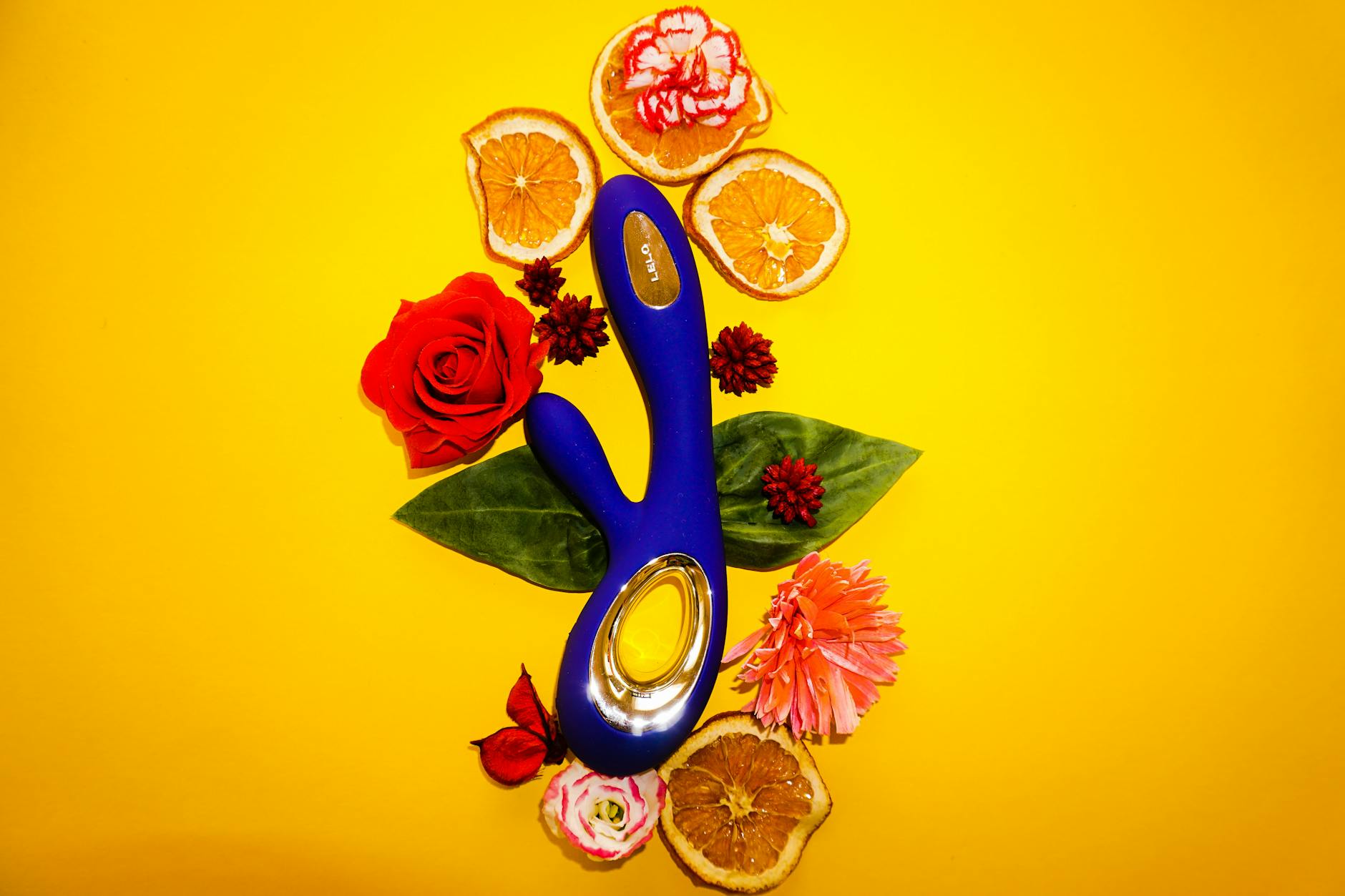
How to Use Lemon Vibrators When Starting Fresh After Hormonal Shifts
Let's be real. When your hormones shift, your entire experience of pleasure doesn't just soften around the edges. It rewires. Arousal takes longer. Sensation feels duller or suddenly hypersensitive. Your body doesn't respond the same way it did last year, last month, or sometimes even last week.
The worst part isn't the physical change. It's the confusion. You've spent years learning what works for you, and suddenly that map is outdated. That's where most people get stuck. They expect their body to cooperate with yesterday's rules, it doesn't, and they assume something's broken.
It isn't. You're just starting over. And that's actually where lemon vibrators become your most useful tool.
Why hormonal shifts change sensation so dramatically
Hormones don't just control fertility or mood. They control blood flow to your genitals, the thickness of your vaginal tissue, how your nervous system interprets sensation, and how quickly your brain fires up arousal. When estrogen, testosterone, or progesterone levels shift, all of that changes at once.
Take tissue thickness. Higher estrogen keeps vaginal and clitoral tissue plump and responsive. When it drops, tissue thins. That sounds like bad news, but here's the thing: thinner tissue doesn't mean less sensation. It means the same nerve density is now packed into a smaller area. You're not numb. You're actually more concentrated.
The problem is directness. Friction feels sharper. Pressure feels less comfortable. Direct stroking vibrators that worked beautifully for years can suddenly feel too intense or even slightly painful. This is where the suction action of a lemon vibrator changes everything.
Why lemon clitoral vibrators work differently for hormonal shifts
A lemon vibrator uses pulsing suction instead of direct vibration. That distinction matters more than it sounds. Suction stimulates the clitoral complex without the grinding, pointed pressure that can feel overwhelming when tissue is thinner or sensitivity is heightened.
During a hormonal transition, your nervous system is recalibrating. It's hypersensitive in some moments and sluggish in others. A tool that offers variable intensity and a gentler contact surface gives you room to explore without triggering pain or overstimulation. You can start on the softest setting and genuinely feel each level of intensity building instead of jumping from mild to intense.
Second, lemon vibrators encourage longer warm-up time. Because the sensation is different and gentler, you naturally spend more time exploring your body's actual preferences right now rather than rushing toward an orgasm that might not arrive on the old timeline. That's not a loss. That's an upgrade.
Start with texture, not intensity
Here's how I talk clients through this transition. Forget your previous preferences for a moment. Treat the first few sessions as a texture audit, not a goal-oriented activity.
Start solo. Set aside maybe 20 minutes with no orgasm target. Touch your body normally for five minutes. Notice where you feel most alive. Is it your inner thighs? Your outer labia? Directly on the clitoris, or above it on the pubic mound? Hormonal shifts often change where sensation feels best.
Then pick up your lemon vibrator and set it to the lowest setting. Hover it near your clitoris without direct contact at first. Feel the suction pull. Move it around slightly. Notice whether the sensation feels better on the hood of the clitoris, on the side, or if you want to angle it differently.
The goal isn't orgasm yet. It's information. Your body's asking you questions right now, and you're learning to listen to the answers. That data is gold.
Layer in time and patience
During hormonal shifts, arousal often needs more runway. This is where most people get frustrated. They spend five minutes touching themselves, expect the old response, and quit when it doesn't show up. That's not a failure. That's impatience working against biology.
Give yourself permission for 15 to 20 minutes of exploration before you even turn on a lemon vibrator. Touch yourself with your hands. Use lubricant generously, even if you usually didn't. Hormonal changes often mean lubrication is less available or feels different. Water-based lube helps you glide without friction and also signals to your nervous system that this is safe.
When you introduce the lemon vibrator, start at setting one or two. Many people jump straight to pattern three because they remember that's what worked before. Your body isn't the same body. Setting one feels subtly different now. It builds. By the time you reach setting three or four, arousal has had time to actually accumulate.
I've had clients who felt numb on their old vibrators report that this slower approach with a lemon vibrator brought back sensation they thought they'd lost entirely. They hadn't lost it. They'd just been skipping the runway their body needed.
Comfort beats speed every time
When tissue is thinner or sensitivity is heightened, comfort is your permission structure. If a sensation doesn't feel genuinely good, stop. Not in a defeated way. In a clarifying way.
Feels sharp or pinchy? Pull back and shift the angle. Feels numb? Add more time, not more intensity. Feels overwhelming? Drop to a lower setting. These are not setbacks. These are adjustments.
One specific thing I tell people: if your clitoris feels sensitive to direct contact, keep the lemon vibrator angled slightly so the suction cup contacts the hood or the side of the clitoris rather than the glans directly. This gives you full sensation without the concentrated pressure. A small shift makes an enormous difference.
Hormonal shifts don't reset your capacity for pleasure
Here's what doesn't change when your hormones shift. The neural pathways for orgasm. The architecture of pleasure in your brain. Your clitoris has 8,000 nerve endings that are still there, doing their job. You're not broken. You're just operating a different machine.
Many people report that after they've learned their body's new language, pleasure becomes richer, more varied, sometimes more intense than before. This isn't magic. It's the difference between forcing an old pattern onto new hardware versus learning the new hardware actually has capabilities the old one didn't.
Lemon vibrators are specifically designed for exploration because they work with your body's sensitivity rather than against it. They don't assume your tissue is thick and robust. They don't assume you need heavy pressure to feel anything. They work with gentleness as a feature, not a compromise.
When to bring a partner into this
If you're partnered, the temptation is to involve them immediately. But here's what I recommend: explore alone first. At least three sessions. Figure out what your body actually needs right now without the pressure of someone else's presence or expectations.
Once you have that information, the conversation with your partner becomes concrete instead of vague. "My body needs more time to warm up" lands differently than "I'm not responding like I used to." Same fact, but one is diagnostic and the other is apologetic.
If you're using a lemon vibrator together, the same principles apply. Longer warm-up time. Lower initial intensity. Permission to pause or adjust without it meaning something's wrong.
Expect adjustment, not regression
This transition period is temporary. Your body will establish new normals. What feels strange now will feel familiar in four to eight weeks. But in the meantime, you're not trying to get back to where you were. You're moving forward into where you actually are.
That shift in mindset changes everything. Instead of chasing a ghost sensation, you're discovering new ones. Instead of blaming your body, you're collaborating with it. That's not just better sex. That's better partnership with yourself.
Lemon vibrators excel at this because they're built for sensitivity, variety, and patience. They reward the time you spend exploring instead of punishing you for not jumping straight to climax. That's exactly what you need when your body is rewriting its own rules.
FAQ
How long does it take for sensation to stabilize after a hormonal shift?
It varies, but most people report stabilizing within four to eight weeks. In that window, what felt overwhelming might feel pleasant, or what felt numb might suddenly light up. Keep exploring rather than assuming one session defines your new normal. Your nervous system is still recalibrating.
Should I use lubricant with a lemon vibrator when my body isn't naturally producing as much?
Yes, always. Lubricant isn't just about comfort. It reduces friction, helps the lemon vibrator glide smoothly, and signals safety to your nervous system. Water-based lube is your best option. It doesn't degrade silicone and feels silky without being thick.
Can I use a lemon vibrator if hormonal changes have made me touch-averse?
Absolutely, and it's often gentler than you'd expect. Start with very short sessions, maybe five minutes. Keep the intensity low. The suction sensation is different from direct vibration, so it often feels less overwhelming to people who are rebuilding tolerance for touch. Stop if anything feels bad. This isn't pushing through.
What if I still can't orgasm with the lemon vibrator after hormonal shifts?
Orgasm isn't the goal right now. Sensation is. I've had clients who spent months not reaching climax but reported that reconnecting with pleasure itself was transformative. If you want to explore, you can, but removing the orgasm target often makes pleasure return faster. Your brain stops trying to force an outcome and starts enjoying the actual experience.
Do I need a different lemon vibrator if my hormones shift again later?
No. A good lemon vibrator like the Lem is designed to work across different tissue sensitivities and arousal speeds. The variable intensity settings let you adjust to whatever your body needs today. You're not replacing the tool. You're using it differently.
How do I know if what I'm feeling is normal or if something's medically wrong?
If you're experiencing pain that doesn't improve with angle adjustments or lubricant, talk to a gynecologist. If you've had no natural lubrication for weeks despite hormone shifts stabilizing, that might point to genitourinary syndrome. If you're on new medication and sensation shifted suddenly, chat with your prescriber. Exploring with a lemon vibrator is great, but it's not a substitute for medical guidance when something feels actually wrong rather than just different.
Starting fresh after hormonal shifts doesn't mean starting from scratch. You have a nervous system, a clitoris, and the capacity for pleasure that's all still intact. You're just learning to access it in a new way. A lemon clitoral vibrator isn't a workaround for broken hardware. It's a tool built for the exact situation you're in now. That matters.