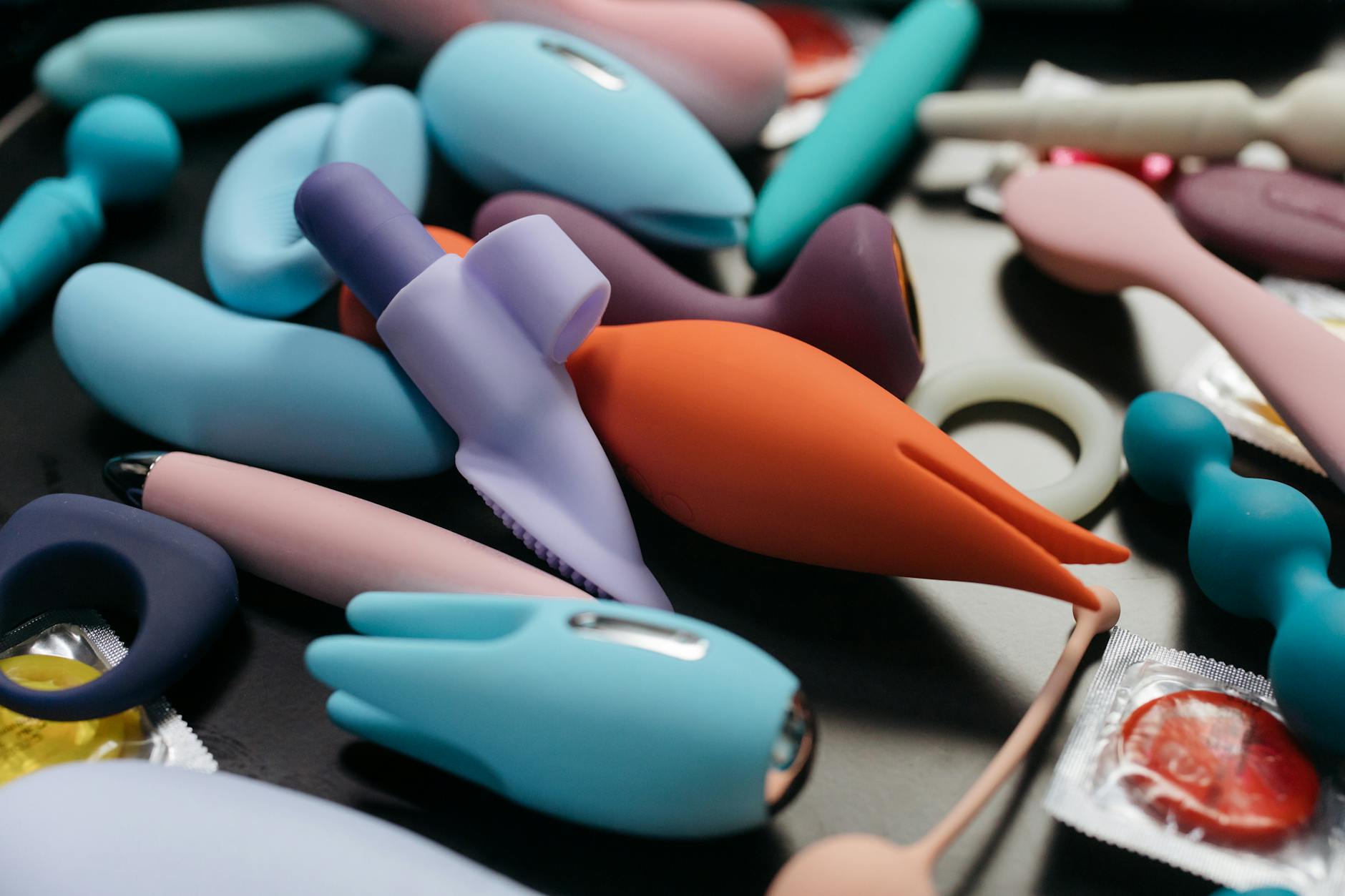
Let's name what's actually happening
Self-consciousness during pleasure isn't about your body. It's about permission. You were taught, somewhere along the way, that wanting pleasure loudly was unbecoming. That touching yourself was something to hide. That making noise or taking time for your own satisfaction was selfish, weird, or too much. And now, even when you're alone, your brain is still watching you.
That observer in your head kills arousal before it starts. And no amount of technique fixes it.
Here's the thing about lemon vibrators and self-consciousness: they work differently than your hand or a partner ever could. Not because they're magic, but because they create permission.
Why shame shows up during solo pleasure
Internalized shame around masturbation or self-pleasure is wildly common, and it doesn't care how old you are or how progressive your politics are. It lives in your nervous system from messages you absorbed as a kid: your body is something to control, not enjoy. Pleasure is for others to give you. Wanting things for yourself is greedy.
When you go to touch yourself, that voice activates. You might feel a physical tightness in your chest or belly. Arousal might build and then suddenly flatline. You might feel embarrassed about the sounds you make or the time you're taking. Or you might just feel... numb to the whole thing. Like you're going through motions that should feel good but don't.
This isn't a reflection of your capacity for pleasure. Your clitoris hasn't forgotten how to feel. But your nervous system is stuck in a protection response. Shame triggers the same fight-flight-freeze reaction as actual danger. Your body can't be aroused and defended at the same time.
How lemon vibrators shift the shame equation
When you use a device instead of your hand, something subtle happens neurologically. You're no longer the sole agent of your pleasure. The vibrator becomes a collaborator. And that small shift in responsibility can be enough to let your nervous system relax.
You're not choosing to feel good. The lemon vibrator is choosing for you. You're just receiving. Which sounds like semantics, but for people carrying shame, it's profound. You're not being greedy or selfish. You're not taking too much time or making too much noise. You're just... letting something work on you.
The other reason lemon vibrators work well for shame-based blocks is precision. Hand stimulation is vague enough that your brain can keep narrating. A lemon clitoral vibrator is so specific and intense that it short-circuits the critical voice. You can't think judgmental thoughts at the same volume when your nervous system is processing that level of sensation. The pressure in your head drops because the sensation in your body rises.
Starting from a place of self-compassion
Before you even turn on a lemon vibrator, you need to change one sentence in your head. Not "I should want this" or "I'm going to fix myself." Try: "I deserve this, and it's okay to take time for it."
That's not woo. That's the opposite. You're clearing out the background static so the device can actually work. If you're using it while your brain is still saying "this is wrong" or "this is indulgent," you're fighting your own nervous system.
Set a time and a space. Not in a rush. Not when you could be caught. Not as a task to check off. If you've got 15 minutes and a locked door, that's enough. Light a candle or dim the lights if it helps you feel less exposed. You're building a container where your nervous system can actually settle.
The actual mechanics of using a lemon vibrator when shame is present
Start with the lowest setting. This matters more than it might sound. A gentle suction or vibration at pattern 1 or 2 gives your nervous system time to register that this is safe. You're not assaulting yourself into pleasure. You're inviting your body to wake up.
Know that arousal will probably take longer than you expect. Shame is a brake. When that brake has been pressed hard and long, it doesn't release immediately just because you've decided to feel good. Budget 20-30 minutes just for warm-up. Your body might not respond like it "should." It might feel numb for 5 minutes, then suddenly alive. That's normal. You're undoing years of braking.
Let yourself make noise. If that feels terrifying, start small. A breath. A sigh. Nothing dramatic. The point isn't to sound like anything. The point is to let your body express what it's experiencing instead of holding it in. Holding pleasure in your throat and chest is how you kill the whole experience.
If you get stuck or feel that flatness return, pause. Don't push through. Breathe. Come back to "this is allowed." Then resume when it feels true again. You're not failing. You're rewiring. It's slower than you want, but it's working.
What changes when you stick with it
Most people notice something shifts between the third and fifth time. Not explosions or anything dramatic. Just a lowering of the internal volume. The critical voice gets a little quieter. The sensation gets a little louder. Your nervous system starts to learn that pleasure is actually safe.
After a couple of weeks, something else happens. You start to own the fact that you like this. That you deserve it. That wanting to feel good isn't a character flaw. It's the most human thing there is.
Some people find that as shame loosens around solo pleasure, it loosens everywhere else too. With a partner. In conversations about what they want. It's not magic. It's just what happens when you stop treating your own pleasure as something shameful.
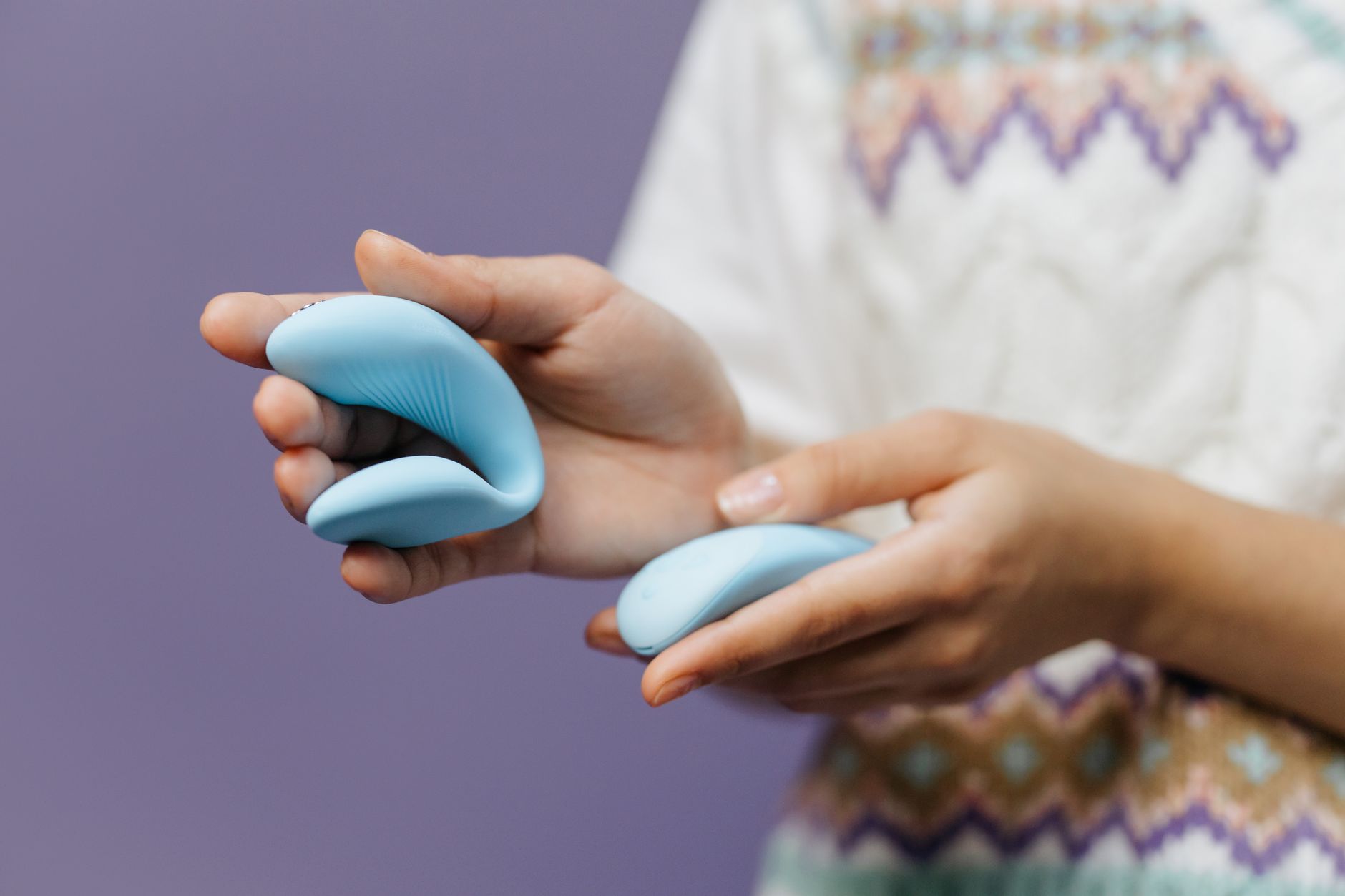
Photo by cottonbro studio on Pexels
When shame is tied to something deeper
Sometimes self-consciousness during pleasure is just learned messaging that you can rewire with consistency and a good lemon vibrator. Sometimes it's linked to something heavier: past experiences that taught you your body wasn't safe, relationships where your pleasure was dismissed or mocked, messages about your gender or sexuality that carved shame deep.
If you find yourself using a clitoral vibrator and still hitting a wall, or if the self-consciousness is linked to trauma or deep family patterns, talking to someone trained in that work matters. A sex therapist or trauma-informed therapist can help you untangle the knot in ways that a device can't do alone.
But most people? The combination of time, permission, and a tool like a lemon vibrator that shifts the dynamic is enough to crack through the shame. Your body wants to feel good. You're just giving it permission to do what it already knows how to do.
FAQ: Self-Consciousness and Solo Pleasure
Why do I feel guilty when I'm using a lemon vibrator by myself?
Guilt around solo pleasure usually comes from old messaging that your body or your desires aren't important. That pleasure is something someone else should give you, or something you shouldn't be greedy enough to take yourself. A lemon vibrator actually helps with this because it's a form of self-care. You're not being selfish. You're being responsible for your own satisfaction.
Does using a lemon clitoral vibrator make me less interested in partnered sex?
No. The opposite is typically true. When you know what your body likes and you're not carrying shame about that, partnered sex usually improves. You can actually ask for what you want instead of guessing. You're less resentful because you're not waiting for someone else to take care of something only you can control.
How do I use a lemon vibrator without feeling weird about the sounds I make?
Start by accepting that pleasure sounds different in a body that's actually aroused. If you're used to silence, noise might feel loud. Try making sounds on purpose during practice. Hum. Sigh. Let your breath get ragged. The more you do it, the less abnormal it feels. Most people discover that hearing themselves is actually part of what makes the experience real.
What if a lemon vibrator doesn't feel good at first?
That's usually your nervous system still protecting. Not arousal not working. Not the device being wrong. Your body hasn't learned yet that this is safe. Lower the intensity to the gentlest setting. Use lube even if you think you don't need it. Take breaks. Come back to it. Pleasure under shame is like trying to sleep while you're tensed for an attack. It takes time to actually relax.
Can shame around pleasure affect my relationships?
Absolutely. When you can't let yourself feel good alone, you can't let yourself feel good with a partner either. You're in protection mode. You might have a hard time asking for what you want or staying present during sex. Working through shame in solo time actually heals the partnered experience too.
How long does it take for shame to stop blocking pleasure?
For most people, consistent use of a lemon vibrator over 2-4 weeks starts to shift the internal narrative noticeably. Full rewiring takes longer. You're undoing years of messaging. But the moment you feel that first real shift in your nervous system, it gets easier. That's when you know it's working.
The actual permission you need
Your pleasure matters. Not because anyone else validates it. Not because it fits a rule you've decided on. It matters because you exist and your body is yours. Using a lemon vibrator for solo pleasure isn't practice for partnered sex or compensation for something missing. It's you telling yourself that your satisfaction is important enough to spend time and attention on.
That's not selfish. That's essential. Start there. Everything else builds from that one true thing.