Let's start with the unsaid part
You want sex more than your partner does. And you're probably tired of pretending that's fine, or that it'll resolve itself, or that you should just get over it. Between you and me, desire mismatch is one of the most common things couples don't talk about until it becomes a problem.
Here's the thing: a lemon clitoral vibrator isn't a band-aid. It's not a substitute for your partner, and it's not the solution to a communication breakdown. But it IS a practical tool that lets you meet your own needs without creating tension, resentment, or pressure on them. That distinction matters more than you think.
Why desire mismatch happens (and why it's not your fault)
First, let's get this straight: mismatched libidos aren't about love. They're about biology, stress, medication, hormones, past experiences, and a dozen other things that have nothing to do with how much someone cares about you.
Your partner might have a lower sex drive because of antidepressants, work exhaustion, a medical condition, low testosterone, past trauma, or just how they're wired. None of that is a personal rejection. But your higher drive is real too. Your need for sexual connection matters. Your pleasure matters. And the longer you ignore it, the more resentment builds. I've watched couples dissolve over this because one person kept shrinking their needs to match the other's comfort level.
The resentment doesn't come from the mismatch itself. It comes from feeling invisible, undesirable, or obligated to suffer in silence.
The conversation you need to have first
Before you buy anything, talk to your partner. Not in a accusatory way. Not when you're frustrated. Not as a setup for negotiating sex.
Try this: "I've been feeling like my need for sexual connection is higher than yours right now, and instead of letting that build resentment between us, I want to talk about it directly. I'm not asking you to change how you feel. I'm asking if it's okay with you if I use a toy on my own sometimes. That way I get what I need, you're not pressured, and we stay connected."
Most partners will say yes. Some will feel defensive at first. That's normal. But here's what you're really saying: "I respect your body and your boundaries. I also respect my own."
If your partner refuses or shames you for self-pleasure, that's not a libido mismatch. That's a respect issue, and it needs a different conversation entirely.
How lemon clitoral vibrators fit into the equation
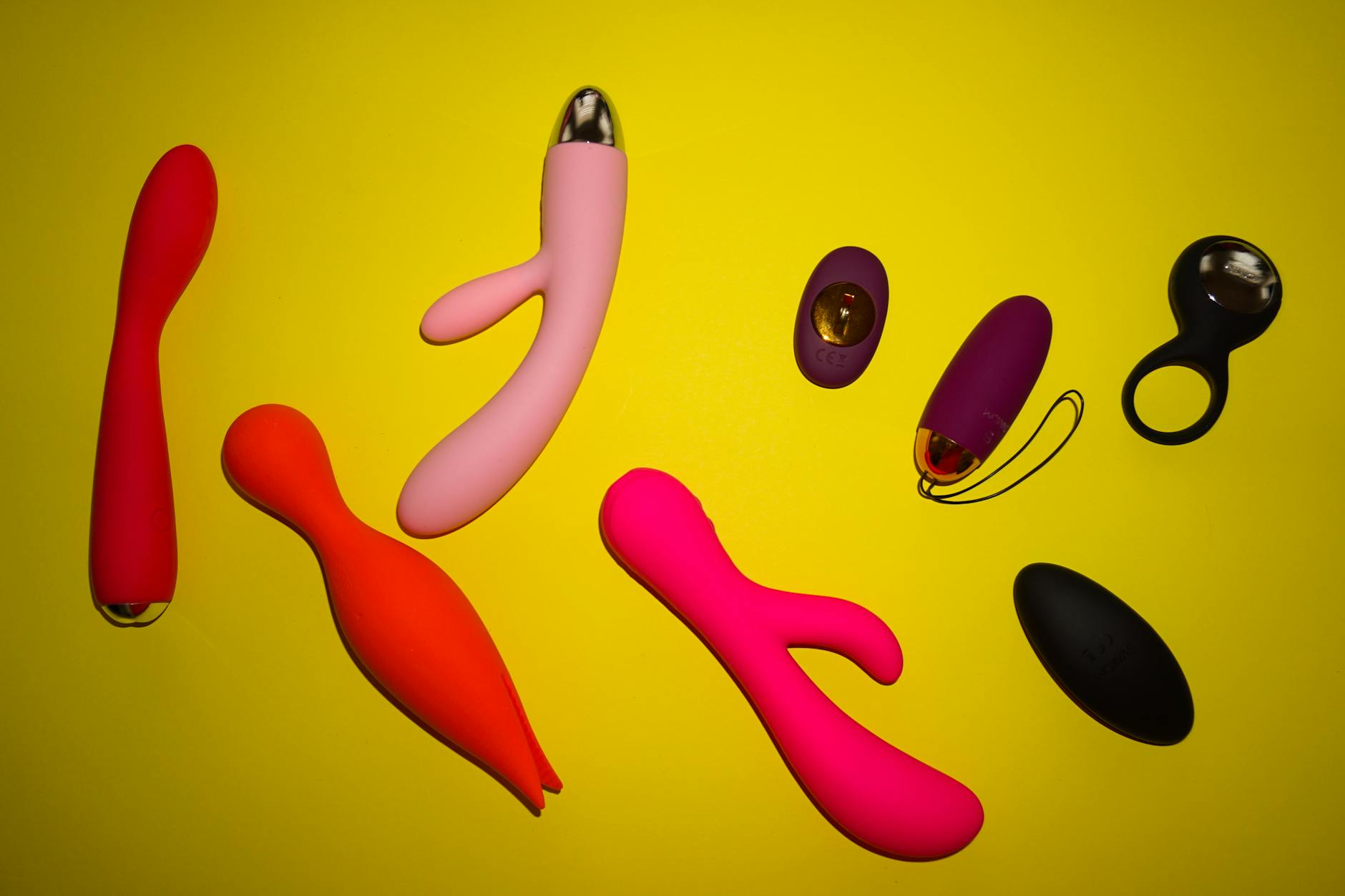
Lemon sexual toys, especially the lemon clitoral vibrator design, work really well for this specific situation because they're fast and focused. You're not looking for hours of foreplay. You're looking for relief, pleasure, and autonomy.
The suction technology in lemon adult toys is particularly good at this. Unlike traditional vibrators that require a lot of active engagement, a lemon sucker creates stimulation that builds quickly and feels more like partnered touch. You can reach orgasm in 10-15 minutes without the mental load of "am I taking too long" or "is my partner getting bored."
For people with higher sex drives, that efficiency matters. You get what you need, you stay connected to your own body, and you're not left frustrated.
Timing matters more than you think
If your partner is tired or stressed, their libido tanks. That's not the time to ask for sex or to use a toy while they're nearby. But there are windows. Early morning before work stress hits. After they've had a good day. During a weekend when they're not depleted.
Likewise, figure out when YOUR drive peaks. Is it after a workout? After you've had time alone? When you're ovulating? Once you know your own rhythm, you can use a lemon vibrator at those times without broadcasting it as a rejection of your partner. "I'm going to take 20 minutes for myself" is a statement about self-care, not about them.
The integration angle: toys during partnered sex
Here's where lemon clitoral vibrators become relationship tools instead of solo tools. If your partner is interested in sex but needs help getting there, or if they orgasm more easily than you, a lemon vibrator can be used together.
You might use it on yourself while they penetrate you. You might use it on them. You might use it between you as foreplay. The point is: it makes sex more pleasurable for the person with lower drive (so they might want it more often) and it gives the person with higher drive the stimulation they need.
Many couples find this rebalances things naturally. When sex includes more of what actually gets both people off, the person with lower drive is more interested. When the person with higher drive feels satisfied, they stop resenting the other's lack of initiation.
When solo use is actually protecting your relationship
I want to be clear about something: using a lemon clitoral vibrator when your partner isn't interested in sex isn't selfish. It's the opposite. It's you taking responsibility for your own pleasure instead of turning it into their job.
Your partner did not sign up to be your only source of sexual satisfaction. And you didn't sign up to suppress a healthy part of yourself. When you use a toy independently, you're actually reducing pressure on them. You're saying: "I can meet this need myself, so you don't have to."
That often paradoxically increases desire. People want sex more when it doesn't feel like an obligation. When there's no guilt. When their partner isn't silently keeping score of rejected advances.
The emotional check-in that changes everything
After you've used a lemon vibrator solo, or after you've used one together, check in with your partner emotionally. Not immediately. Not in a vulnerable moment. But the next day, when you're both grounded.
"I'm feeling better about things," you might say. "Using the toy took the pressure off, and I'm not carrying resentment into our time together. I wanted you to know that."
This reframes the toy from a symbol of the mismatch to a tool that actually helps the relationship. Because it does. When both partners' needs are being met—yours through your own pleasure, theirs through decreased pressure—the relationship usually gets warmer, not colder.
What to avoid when navigating desire mismatch
Don't use a lemon adult toy as punishment or commentary. "Fine, I'll just use this instead" communicates resentment, not self-care. Your partner will hear rejection, not relief.
Don't hide it completely and then be angry when they find it. Secrecy breeds shame, and shame ruins intimacy. You deserve to use a toy without embarrassment.
Don't pretend the mismatch will fix itself. It won't, not without some combination of conversation, potentially medical support (for your partner), and practical tools (like lemon vibrators) that help you both feel good.
Don't pressure your partner into using toys with you if they're uncomfortable. That's a separate conversation, and it requires its own buy-in.
When you might need actual help
If the mismatch is so severe that even with toys and communication you're both unhappy, that's worth exploring with a sex therapist or couples counselor. Low libido can be a symptom of depression, hormonal issues, medical conditions, or relationship disconnection that goes beyond what self-care tools can fix.
Likewise, if you notice your sex drive is genuinely unreasonable or causing you to pressure your partner, that's something to unpack in therapy too. There's a difference between having a healthy, higher libido and having compulsive sexual needs that override your partner's boundaries.
Most mismatches, though, sit somewhere in the middle. And that's where lemon clitoral vibrators actually help. They let you take care of yourself while protecting the relationship from the slow erosion of resentment.
Your pleasure matters. So does your partner's comfort. A good tool helps you honor both.
FAQ
Can using a lemon vibrator alone make me lose interest in my partner?
No. If anything, the opposite is true. When you feel satisfied, you're less likely to resent your partner for not meeting a need they can't. Solo pleasure and partnered pleasure activate different parts of your brain and body. They feed each other, not compete.
Should I tell my partner when I'm using a lemon clitoral vibrator?
Yes, eventually. Not in graphic detail if they're uncomfortable, but enough honesty that it's not a secret. "I've been using a toy to take care of my own needs, and I wanted you to know so we're not hiding anything from each other." Most partners feel relief that you're handling it yourself instead of pressuring them.
Will my partner feel like a lemon sexual toy is replacing them?
Possibly, at first. That's why the conversation matters. You're not replacing them. You're supplementing your own satisfaction so you can show up to the relationship without resentment. Reframe it: "This tool helps me stay connected to pleasure, which makes me a better partner." Because it does.
How often is it okay to use a lemon adult toy when your partner has lower desire?
As often as you need to. There's no healthy limit on self-pleasure. Some people use toys a few times a week, some daily, some less often. The key is that it shouldn't be instead of pursuing partnered sex entirely. Keep initiating intimacy. Keep connecting. But also take care of yourself.
What if my partner thinks lemon vibrators are weird or wrong?
That's a values conversation, not a practical one. Some people have shame around toys because of how they were raised or what they believe. You can't logic someone out of that. What you can do is set a boundary: "My pleasure is not negotiable, and neither is my right to tools that help me feel good. You don't have to participate, but you also don't get to shame me." If they can't respect that, you might need counseling.
Can using a lem vibrator help my partner feel more interested in sex?
Sometimes. If they see you enjoying yourself and feel less pressure, they often become more interested. But you can't use that as the goal. The goal is your own pleasure and relief. The side effect—if it happens—is that they might want sex more often. Focus on the first part.
Desire mismatch is one of those relationship problems that feels deeply personal but is actually pretty structural. You're not broken. Your partner isn't broken. You just have different rhythms. Lemon clitoral vibrators, combined with honest conversation, let you honor both rhythms without sacrificing either one. That's the whole point.