Here's what nobody tells you about mismatched desire
One of you wants sex twice a week. The other wants it twice a month. You're not broken. Your partner isn't selfish. This gap, though, creates a specific kind of hurt. It's not rejection exactly—it's something quieter and meaner. Over time, the lower-desire partner starts to feel like a problem to solve. The higher-desire partner starts to feel lonely inside the relationship.
That dynamic is fixable. But it doesn't fix itself with more pressure or more guilt.
Why the pressure makes everything worse
When you have the lower sex drive in a partnership, you've likely heard some version of this: "I just want to feel wanted." Or: "It would mean so much if you tried." These aren't cruel statements. They're honest ones. And they create a specific trap.
The more your partner expresses their need, the more sex starts to feel like a chore you're doing for them instead of something you want for yourself. That's not a character flaw. That's how human arousal works. Obligation, even kind obligation, kills desire. Research on couples' sexuality shows that pressure actually decreases subsequent desire, not increases it. You end up with less sex and more resentment, not the other way around.

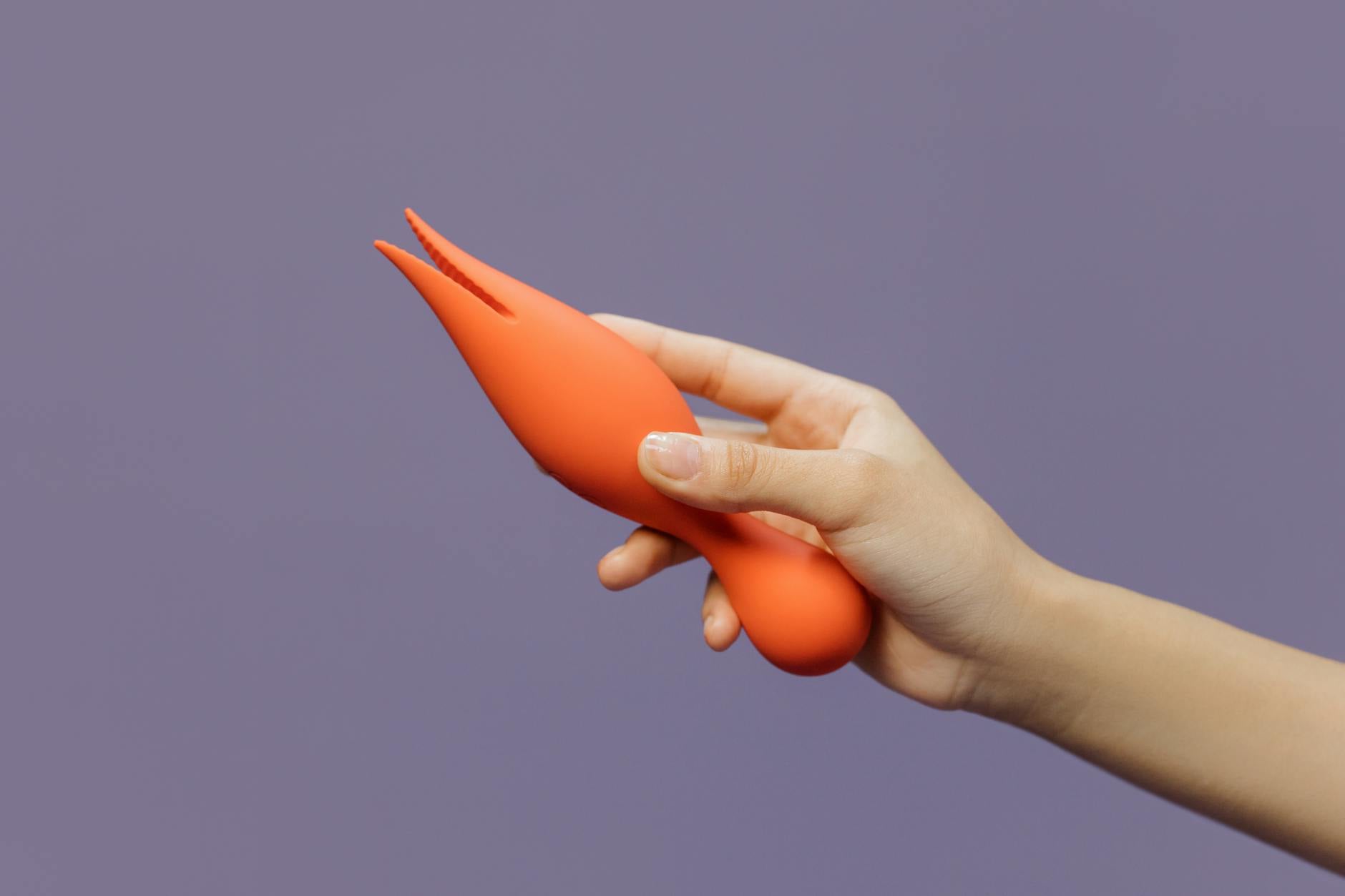
Photo by cottonbro studio on Pexels
So what actually works is counterintuitive. You have to slow down and reconnect with your own desire first. Before you can meet your partner halfway, you need to know what your "halfway" actually feels like.
What lemon vibrators do differently in this situation
A clitoral vibrator like the lemon sucker is useful here because it removes the performance element entirely. You're not doing this for your partner. You're doing this for you. That distinction matters more than it sounds.
When you have lower desire, your body often needs more intentional stimulation to wake up. Traditional vibrators can feel overwhelming or one-note. Lemon clitoral vibrators use suction technology, which works differently. Instead of pure vibration, you get a gentle pulsing sensation that many people find less fatiguing and more pleasurable over longer periods. It feels like something is responding to you, not something you're performing with.
That shift in control is huge when desire is low. You're not trying to get turned on. You're exploring what feels good on your own timeline.
The solo exploration phase matters most
I recommend starting here, alone. Not to avoid your partner, but because you can't negotiate with someone else when you're still figuring out your own body.
Set aside 20-30 minutes when you're genuinely not rushed. No performance anxiety. No clock watching. If arousal doesn't happen, that's information, not failure. Start with lower intensity settings on the lemon vibrator. Let yourself get curious. What setting feels good? What kind of pressure? Do you like sustained suction or rhythmic pulsing?
Keep a simple note of what you discover. "I like pattern 3 better than pattern 1." "I need 15 minutes to warm up." "It feels better after I've had time alone." These details matter because they're your roadmap back to wanting sex.
The conversation before you involve your partner
When you've had a few solo sessions and you actually feel something shift, that's when you talk to your partner. Not to announce that you've solved the problem. But to reset the terms of the conversation.
It sounds like this: "I've been thinking about how we've been approaching this. The pressure isn't working for me. What I need is to explore what I want first, without any expectation. I'm not saying no forever. I'm saying I need to come back to wanting it, not just agreeing to it."
A good partner will hear relief in that. Because the pressure didn't work for them either. They were hoping something would change, not enjoying the guilt of creating it.
How to use a lemon vibrator with your partner when you're ready
There's no timeline here. Some people reconnect in weeks. Some take months. That's normal.
When you do want to involve your partner, the lemon clitoral vibrator can actually help. You might use it during foreplay, which shifts the dynamic from "Is she aroused yet?" to "What does she like?" It also takes pressure off your partner to be the source of your arousal. The vibrator is doing the work. Your partner is present and exploring with you.
You could try: "I'd like you to watch me use this, no rush, just see what I enjoy." Or: "Want to help me figure out which setting I like best?" These aren't sexy scripts. They're honest ones. And honesty is what kills the resentment.
The timeline actually matters
One thing I see couples struggle with is expecting this to resolve fast. "You have a vibrator now, so everything should be better." It doesn't work like that. You've spent months or years feeling like sex was something you owed. Rewiring that takes patience.
Your partner also needs time to adjust. They've been holding a lot of their own loneliness and frustration. Even if they understand the plan intellectually, that doesn't mean the hurt disappears immediately. Give yourself both at least a few weeks of steady exploration before you expect a major shift in frequency.
When to bring in a professional
If you've been exploring alone, having conversations, and involving your partner in a lower-pressure way and nothing is shifting, that's the sign to talk to a couples therapist. Sometimes lower desire is situational. Sometimes it's rooted in past relationships, trauma, or how you were raised. A licensed therapist can help you figure out which it is.
Also: if your partner is frustrated to the point of suggesting they look elsewhere, that's not something you should handle on your own. That's a couples conversation with a professional present. It doesn't mean the relationship is ending. It means you both need help resetting the dynamic before resentment becomes irreversible.
The goal isn't equal desire, it's equal investment
Here's what I want you to know: you probably won't end up wanting sex exactly as often as your partner does. That's fine. The goal isn't matching frequency. It's matching investment. Your partner invests in understanding your timeline. You invest in reconnecting with your own desire instead of resisting theirs. A lemon vibrator, used alone and together, is a tool that makes both of those things concrete and real.
Your pleasure matters. Not as a gift to your partner. As something that belongs to you first.
People also ask
Is low libido in a relationship a sign we're incompatible?
Not necessarily. Desire fluctuates through every relationship's lifetime based on stress, health, medications, life transitions, and how connected you feel emotionally. What matters is whether you both care enough to understand the gap instead of just widening it. Many couples with significant desire differences stay deeply satisfied when they stop treating the difference as a problem and start treating it as information.
Can a lemon vibrator actually increase my sex drive?
A lemon clitoral vibrator won't chemically change your hormones, but it can help you reconnect with what feels good without pressure. When pleasure becomes something you choose instead of something you perform, desire often follows. The vibrator itself doesn't raise libido, but the shift from obligation to exploration does.
What if my partner wants to use the lemon vibrator on me and I'm not ready?
That's completely valid. You get to set the pace. A conversation might sound like: "I'm not ready to have you use it on me yet, but I'd like you to be in the room while I explore it alone. Does that feel okay?" Boundaries actually build trust faster than forced intimacy ever will.
Should we be having the frequency of sex my partner wants if I don't actually want it?
No. Sex without your consent, even within a marriage or committed relationship, isn't good sex. It's obligation. And obligation erodes the relationship faster than lower frequency ever will. The goal is figuring out what you both genuinely want, then finding the overlap.
How long before mismatched desire actually improves?
It depends on how long the tension has been building and how willing both partners are to do the work. Some couples notice shifts in 4 to 6 weeks. Others take several months. A few need ongoing couples therapy. There's no standard timeline because every partnership has different history and different barriers.
What if exploring solo feels pointless because I know I have low desire?
That's actually the mindset shift that needs to happen. Low desire isn't a personality trait. It's a response to conditions. When you're pressured, it's rational to shut down. When you're alone and curious instead of guilty, many people find desire shows up that they didn't know was there. Give yourself permission to be surprised.