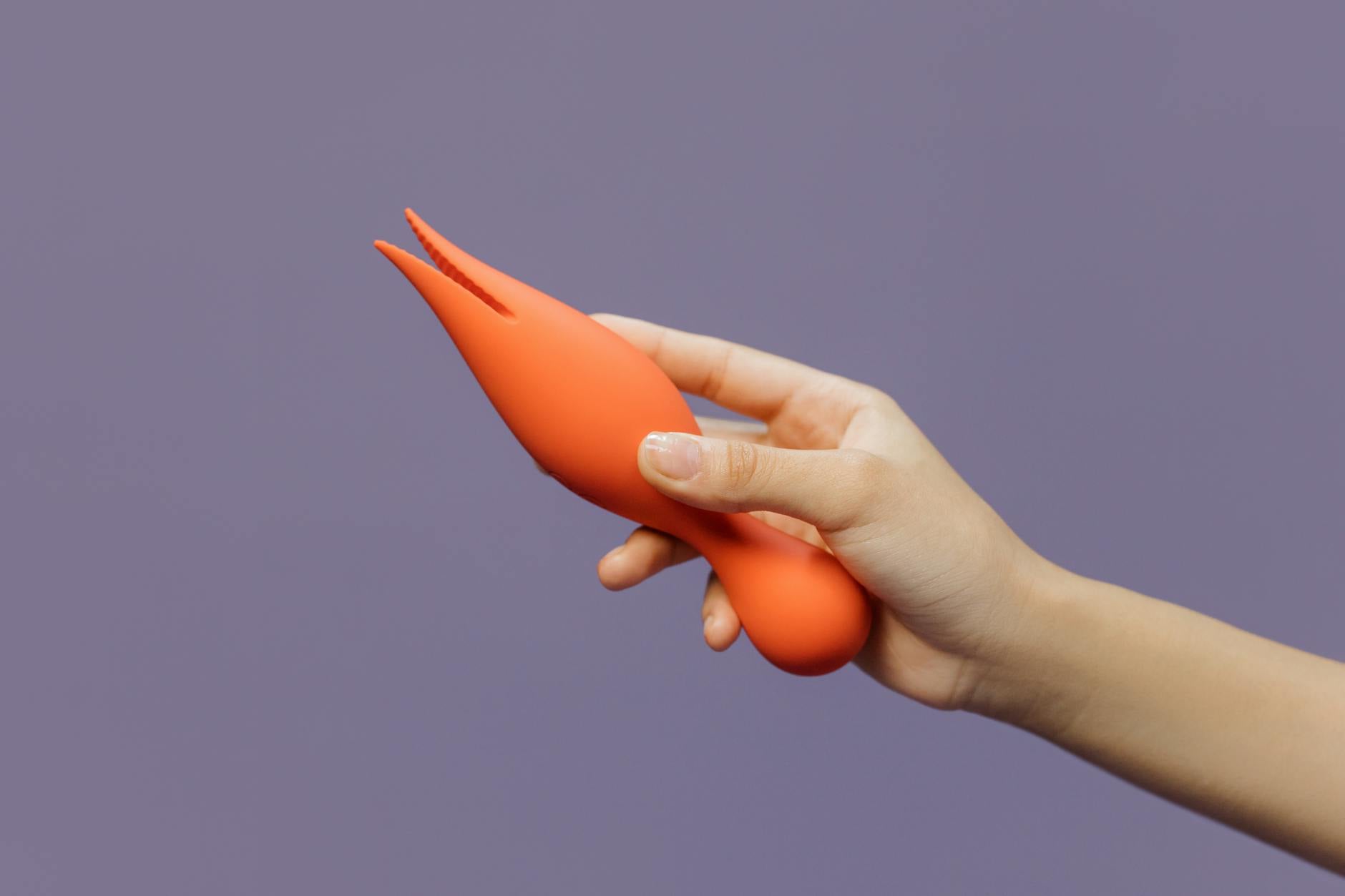
How to Use Lemon Vibrators When You Have Low Libido From Depression or Anxiety
When your brain is the problem, not your body. How a lemon clitoral vibrator becomes a tool for reconnecting with pleasure when mental health gets in the way.
Your body works fine. Your brain is screaming that pleasure is pointless. That's the actual problem, and it's worth naming directly because almost everyone gets this wrong. Depression and anxiety don't break your physical capacity for orgasm. They create a wall between you and the desire to reach for it. There's a crucial difference.
I work with couples and individuals regularly where one partner says, "I just don't want sex anymore," and there's panic in the room. Everyone assumes something is broken sexually. Usually, something is broken mentally. A lemon vibrator or any clitoral vibrator can't fix depression. But it can become part of the bridge back to your body when your mind is holding you hostage.
Let's talk about the neuroscience for a second without getting lost in it. Depression flattens dopamine, the neurotransmitter tied to motivation and reward. Anxiety floods your system with cortisol, which tells your body to focus on threat detection, not pleasure. Pleasure literally doesn't register as important when your nervous system is in survival mode.
That's not laziness. That's not "not loving your partner." That's not "something wrong with your sexuality." It's your brain on depression or anxiety doing exactly what those conditions do.
The good news: this is reversible. Therapy, medication, lifestyle shifts, or a combination of all three can lift this fog. And while you're rebuilding, a tool like the Lem or other lemon sexual toys can help you stay connected to sensation without the pressure of having to feel desire first.
Most approaches to low libido tell you to "get in the mood" first, then use a toy. That's backwards when depression or anxiety is the culprit. You're not in the mood. You might not get in the mood. That's not a failure.
Here's where lemon vibrators have a specific advantage: the suction sensation is intense enough to pierce through emotional numbness. It's not subtle. It doesn't require you to already be aroused. You can use it while feeling almost nothing, and the physical sensation can gradually wake something up in your body.
That waking-up feeling matters. It's the first signal that your body is still there, still capable of responding, even when your mind has checked out. For someone with depression or anxiety, that matters more than the orgasm itself.
Three key differences from how you'd normally use a lemon vibrator or other clitoral vibrators:
Remove the performance expectation. Set zero goal of reaching orgasm. Tell yourself this is about sensation, not results. If you orgasm, fine. If you don't, that's also fine. The win is touching your own body without self-judgment.
Start at pattern 1. Not because you need gentleness, but because the slowness forces you to pay attention. Depression and anxiety both encourage dissociation. A slow pulse keeps you in your body longer.
Keep a lubricant nearby. Depression and anxiety can dry things up, not always from hormones but from stress tension and reduced blood flow. Water-based lube removes that friction barrier and one less thing to fight against.
Use the lemon clitoral vibrator for 5 to 10 minutes, not because that's optimal, but because that's sustainable when you're struggling. You're rebuilding the habit of touching yourself, not training for intensity.
Here's where I push back on the "vibrator will fix this" narrative: it won't. But it can be part of the fix. The real work is therapy, possibly medication, sleep, and moving your body.
I ask my clients to pair vibrator use with one small mental shift. Not gratitude practice or forced positivity—that's toxic when you're depressed. Instead, curiosity. "I wonder what happens if I use this today. I wonder if anything feels different than yesterday."
Curiosity keeps you out of judgment. Judgment feeds depression. That single shift changes the experience.
If you've been using lemon sexual toys and you feel nothing after two weeks of consistent practice, that's data. Tell your prescriber or therapist. It doesn't mean the tool failed. It means your depression or anxiety is probably not responding to your current treatment plan.
Likewise, if you're experiencing pain during or after use, don't push through. That's your body saying something else is going on. Pelvic floor tension is common with anxiety especially. That's a conversation for a pelvic floor physical therapist, not a vibrator upgrade.
This matters: using a lem vibrator while severely depressed is not the same as using one while in a stable treatment. The tool only works if the foundational mental health support is there.
You're allowed to rebuild pleasure slowly. You're allowed to touch yourself without an orgasm goal. You're allowed to use a lemon clitoral vibrator as a small act of reconnection with your body, even if desire is miles away. That's not settling. That's meeting yourself where you actually are.
Many people I work with report that once they got their depression or anxiety under treatment and started using a clitoral vibrator again, pleasure came back faster than they expected. The neural pathways didn't disappear. They were just buried. And a tool like the Lem can help unbury them while the bigger mental health work is happening.
No. A lemon clitoral vibrator is not a treatment for depression or anxiety. Therapy, medication, lifestyle changes, and sometimes all three are what actually treat these conditions. What a lem vibrator can do is help you maintain physical connection to your body while you're getting that treatment. Think of it as part of your toolkit, not the whole toolkit.
Not directly. But here's what happens often: once you're on an antidepressant that's working, some people report that pleasure gradually returns. A lemon vibrator doesn't accelerate that chemically. It just gives you a low-pressure way to notice when it's starting to come back.
Weirdly common. Depression loves guilt. It makes you feel bad about things that would normally feel neutral or good. Using lemon adult toys while depressed doesn't mean you're broken or self-indulgent. It means you're taking a small action toward self-care when your brain is telling you not to. That's the opposite of broken.
Stop. Depression sometimes creates a situation where stimulation feels overwhelming instead of good. If that's you, it's not a sign to force it. It's a sign to tell your therapist that your current approach isn't working. That's useful information.
There's no magic number. Some people feel better in weeks. Others take months. If you're curious, try it. If you feel nothing, try it again in a few weeks. The vibrator will still be there. Low-pressure experimentation is the key when mental health is in flux.
Yes, often. Anxiety creates physical tension. The suction sensation from lemon sexual toys can interrupt that tension cycle and signal your nervous system that you're safe enough to feel something. That said, the real work is still anxiety treatment—therapy, potentially medication, breathing work. The lemon clitoral vibrator is the supporting player, not the star.
Low libido from depression or anxiety is real. It's also treatable. You're not broken. Your brain is struggling, and that's affecting everything downstream, including desire. Getting help for the mental health piece is the priority. A lemon vibrator from Hello Nancy's Lemon Shop can be part of staying connected to your body while that healing happens. Use it gently. Use it without pressure. Use it as a small, quiet act of self-care. That's enough.