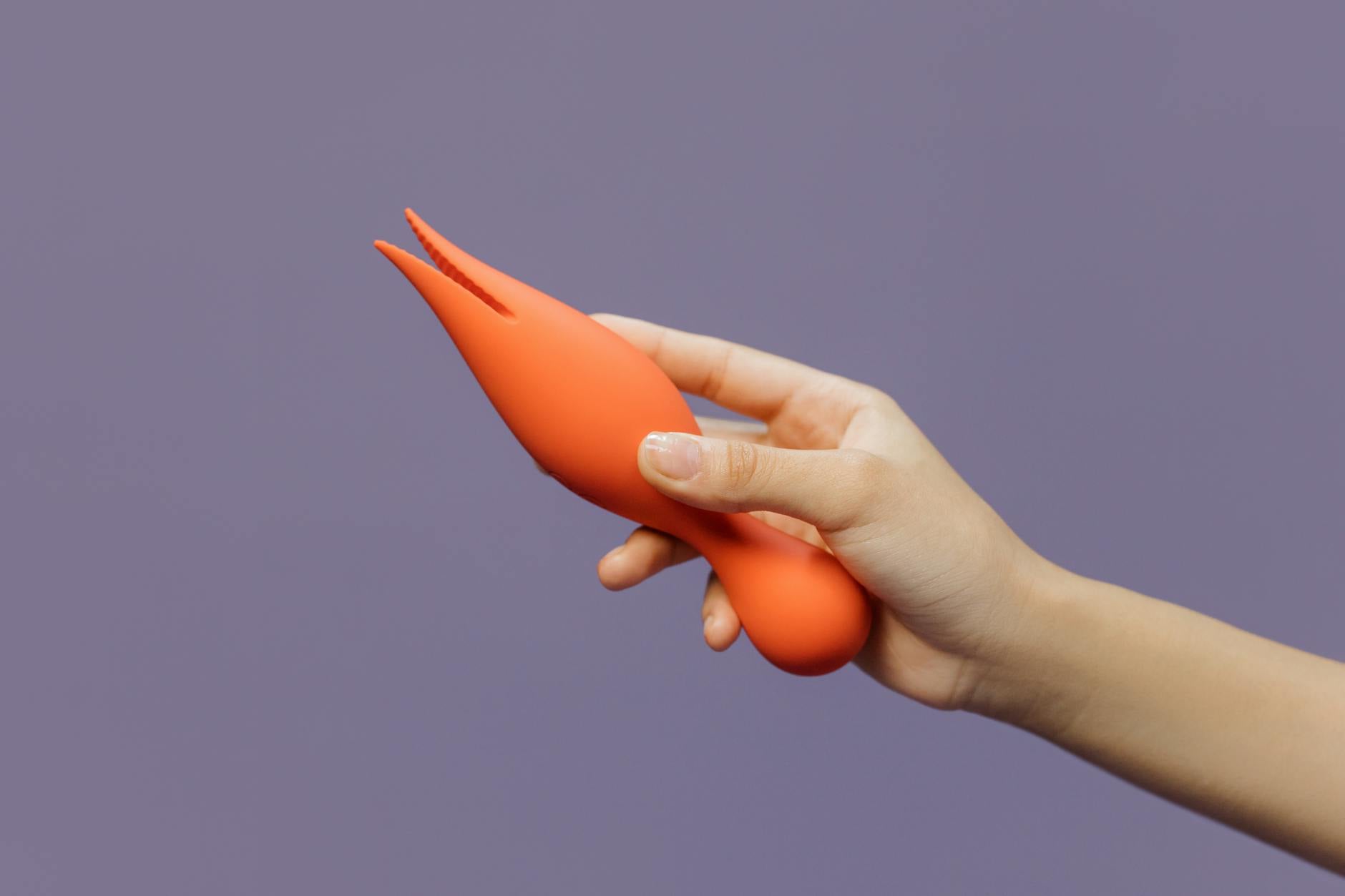
Let's talk about the thing nobody mentions
You buy a lemon vibrator. You're excited. You turn it on. And then you realize: the sensation isn't quite right. It's a little dry. A little rough. The glide doesn't feel smooth.
That's not a flaw in the toy. That's a sign you need lubricant.
Most people think lube is either unnecessary or a backup plan. Actually, the right lubricant can completely transform how your lemon clitoral vibrator feels, how long you can comfortably use it, and what kinds of sensations are even possible. Using a lemon vibrator with proper lubrication is like the difference between listening to a song on phone speakers versus good headphones. Same song. Completely different experience.
Why lubrication matters with lemon vibrators
Unlike some vibrators that are primarily internal, lemon sexual toys are designed for external clitoral stimulation. That means they're in direct contact with some of the most sensitive tissue on your body. The clitoris has thousands of nerve endings packed into a small area. When there's friction without lubrication, those nerves can become overstimulated, numb, or actually tender afterward.
Lubricant does several things at once. It reduces friction, which means more sensation and less numbness. It extends your session because you're not working against resistance. It helps the vibrator glide instead of stutter across your skin. And honestly? It just feels better. The sensation goes from mechanical to luxurious.
If you've ever felt like your lemon vibrator wasn't giving you the results you expected, or if you've needed to use higher intensities than feels good to get any sensation, lubrication is probably the missing piece.
Water-based lube: the go-to choice
Water-based lubricant is the safest, most versatile option for lemon clitoral vibrators. It's compatible with silicone, glass, metal, and plastic toys. It won't damage the finish on your lemon vibrator. It's easy to apply, easy to reapply mid-session, and easy to clean up.
Water-based lubes range from thin and watery to thick and creamy. For external use with a lemon vibrator, somewhere in the middle works best. You want enough slip that the toy glides smoothly, but not so much that it slides all over the place and loses contact with where you need it.
Apply a small amount directly to the head of your vibrator, or apply it to your vulva and let the vibrations distribute it. You'll likely need to reapply after 10-15 minutes of use, which is actually a feature, not a bug. The pause to add more lube is a natural moment to adjust intensity, check in with your body, or switch patterns.
One note: water-based lubes can feel a bit cool to the touch when you first apply them. Some people warm the bottle between their hands first. Others don't mind the sensation. It's a small thing, but worth knowing.
Silicone-based lube: luxury but with rules
Silicone-based lubricants feel richer and last longer than water-based options. They're excellent if you want fewer interruptions for reapplication. They work particularly well for people with sensitive skin because they often have fewer ingredients.
But here's the crucial part: you cannot use silicone-based lube with silicone toys. If your lemon vibrator has any silicone component, silicone lube will degrade it over time. This isn't dramatic. It's subtle. The silicone gets slightly sticky or cloudy. But it's permanent damage.
Check your lemon vibrator's material. If it's medical-grade silicone, steel, or another non-silicone material, silicone-based lube is fine. If you're unsure, stick with water-based. It's the safest choice and honestly, you won't miss the difference.
Cleanup with silicone lube takes a bit more effort. Soap and warm water help, but a dedicated toy cleaner makes it faster. You can use any toy cleaner designed for lemon sexual toys. Just wipe everything down, rinse, and air dry.
Hybrid lubes and natural options
Hybrid lubricants blend water and silicone bases. They offer a middle ground: richer than pure water-based, compatible with silicone toys, and longer-lasting than water-based alone. They're a solid choice if you're trying to avoid frequent reapplication without sacrificing compatibility.
Some people prefer natural lubes made with plant-based ingredients. Coconut oil is tempting because it's natural and luxurious. But coconut oil can damage silicone and will compromise latex if you ever use it with barrier protection. If you want natural, look for water-based lubes with plant ingredients instead.
Organic water-based lubes exist and can be lovely. Just remember: organic doesn't mean better for toy use. The material compatibility and glide are what matter. A regular water-based lube will work just fine.
Application technique that actually works
There's a right way and a wrong way to apply lube when using a lemon vibrator. The wrong way is slathering it on so heavily that your toy slides around and you can't locate the sensation you want. The right way is strategic.
Start with a quarter-sized amount on the head of your vibrator. Turn it on at a low setting. Let the vibrations distribute the lube across the area. The motion helps the lubricant spread evenly, and you get immediate feedback on whether you have enough or need more.
If you're using the lemon vibrator externally on your vulva, you can also apply lube directly to your skin first, then introduce the toy. This gives you control over how much you're using and where. Some people prefer applying lube to the toy itself because it feels more like you're in control of the sensation.
During longer sessions, you'll feel the glide change as the lubricant warms up and gets worked into your skin. This is normal. When the sensation starts to feel less smooth, add a tiny bit more. You don't need much. A small amount goes a long way once it's already activated.
Solving common lube problems
If your lube is drying out too quickly, you might be using a lube that's too thin for your body chemistry. Everyone's vulva is slightly different in terms of how warm it is and how much natural lubrication mixes with added lube. If water-based lube seems to disappear in minutes, try a slightly thicker formulation or a hybrid lube.
If your lube is making everything numb or the sensation feels muffled, you're using too much. Less is more with lubrication. Start with a small amount. You can always add more.
If your lube is staining sheets or clothes, switch to a water-based option if possible. Silicone-based lubes are more likely to stain because they're oil-based.
If you're experiencing irritation, it might be the lube, not the vibrator. Some people are sensitive to specific lube ingredients like glycerin or propylene glycol. If you notice burning, stinging, or increased sensation after using a particular lube, try a different brand. Hello Nancy's Lemon Shop community often recommends checking ingredient lists and doing a small patch test first.
Building comfort over time
If you're new to using a lemon vibrator, or returning after a long break, lubrication becomes even more important. Your tissues might be less accustomed to stimulation. Using adequate lube lets you explore sensation gradually without pushing yourself into discomfort.
Your need for lubrication can change based on hormones, stress, medications, and overall health. Some weeks you'll need more. Some weeks you'll need less. This isn't a sign of something wrong. It's information. Honor what your body is telling you and adjust accordingly.
Many people find that using a lemon clitoral vibrator with proper lubrication actually trains their body to become more responsive over time. The consistent, smooth stimulation seems to wake up nerve endings. After a few weeks of regular use with good lube, you might find you need less lube than you started with, or that sensation becomes more intense. This is common and usually a good sign.
The bigger picture
Lubrication isn't a workaround or a backup plan. It's a tool that changes what's possible with your lemon vibrator. Using a lemon clitoral vibrator with the right lube pair is genuinely different from using it dry. The sensation is better. The comfort is better. The results are better.
If you've been using your lemon sexual toys without lube, or with only a tiny bit, give yourself permission to try this. The upgrade in sensation and comfort is real, and you deserve that experience.
People also ask
Can I use coconut oil with my lemon vibrator?
Coconut oil feels luxurious and is tempting because it's natural. However, coconut oil can degrade silicone toys and isn't ideal for long-term toy safety. If your lemon vibrator has any silicone components, stick with water-based or hybrid lubes instead. If you love the coconut scent, some water-based lubes are coconut-scented and will work perfectly with your toy.
How often do I need to reapply lube when using a lemon clitoral vibrator?
Water-based lube typically lasts 10-15 minutes of active vibration before you'll notice the glide changing. Silicone-based or hybrid lubes last longer, often 20-30 minutes. The specific timing depends on your body, the lube, and how much you apply initially. There's no wrong answer. When you feel the sensation change, add a tiny bit more. That's your body's signal.
Is it normal to need lube for a clitoral vibrator if I produce natural lubrication?
Completely normal. Natural lubrication and added lube serve different purposes. Your body's natural lubrication is responsive to arousal and varies throughout your cycle. Added lube provides consistent slip and prevents friction during extended vibration. You might produce plenty of natural lubrication and still benefit from adding a bit of lube when using your lemon vibrator. They work together.
What should I look for when choosing a lubricant for lemon vibrators?
First, check your toy's material. If it's silicone, use water-based or hybrid lube. If it's another material, you have more options. Second, consider how long you want it to last. Water-based dries faster but is easiest to clean. Hybrid and silicone-based last longer. Third, pay attention to ingredients if you have sensitive skin. Glycerin and propylene glycol are common but bother some people. Start with a small amount to test compatibility.
Can I use saliva as lubrication for a lemon sexual toy?
Saliva works in a pinch, but it's not ideal for extended use. It dries quickly, absorbs into your skin, and doesn't provide sustained glide. If you're using a lemon clitoral vibrator for more than a few minutes, actual lubricant will give you better sensation and comfort. Saliva works as a starting point while you're getting oriented, but real lube is the upgrade your body deserves.
Do I need to clean my lemon vibrator differently if I use lube?
Not differently, but maybe more thoroughly. After using lube, rinse your toy under warm water and use a damp cloth or toy cleaner to remove lube residue. For water-based lube, plain soap and water work fine. For silicone-based lube, a dedicated toy cleaner helps remove any film. The actual cleaning steps are the same. Just make sure you get the lube off before storing, so it doesn't accumulate over time.
If you have questions about comfort, technique, or how to get the most from your lemon vibrator, Hello Nancy's Lemon Shop is here. Reach out at /contact anytime.