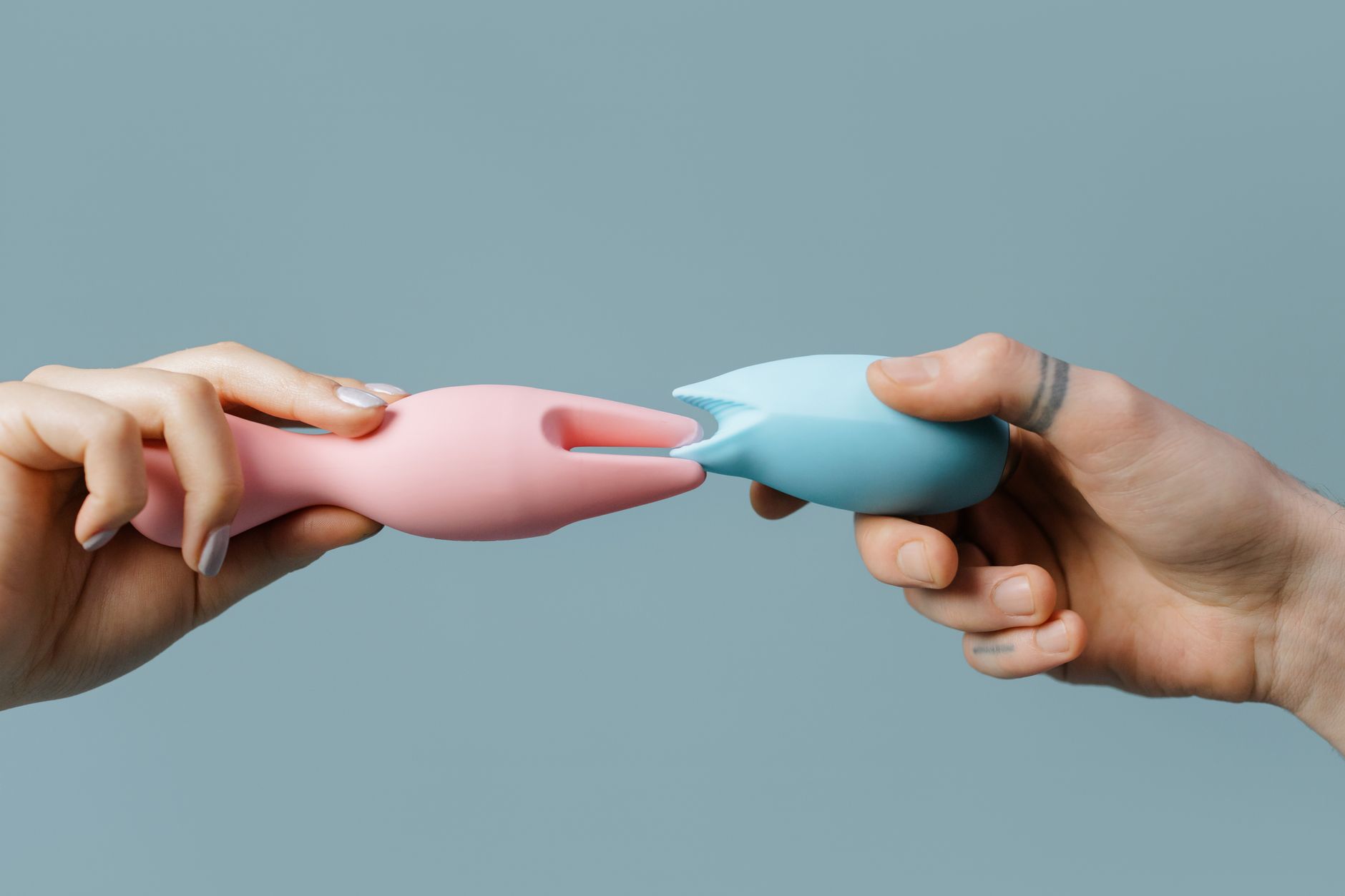
Burnout doesn't just kill your inbox motivation
Let's be real. When you're burnt out, sex is the last thing on your mind. But here's what most people don't talk about: burnout doesn't just kill desire. It literally flattens your nervous system's ability to feel pleasure. Your clitoris is still there. Your capacity for orgasm is still there. But the electrical wiring that connects sensation to reward goes quiet.
That's not a character flaw. That's neuroscience.
When your stress hormones stay elevated for months, your parasympathetic nervous system (the part that handles arousal, rest, and pleasure) gets pushed to the background. Your body stays in a low-level fight-or-flight state. Sensation dulls. Touch feels distant. Even when you want to reconnect with pleasure, your nervous system doesn't cooperate. And that's where lemon vibrators come in. Not as a magic fix, but as a bridge back to sensation when your body needs help remembering what pleasure feels like.
What burnout does to your physical sensation
Think of arousal like a dimmer switch. Normally, it responds quickly. You feel a touch, a thought, proximity to a partner. Light goes up gradually. But burnout turns that dimmer into a toggle. It's either completely off or flickering unpredictably.
Here's why. Sustained stress depletes dopamine and serotonin, the neurotransmitters that fire when you feel pleasure. Chronic cortisol (your stress hormone) literally suppresses the neural pathways that respond to sexual stimulation. Your clitoris still has all its nerve endings. Blood still flows there. But the brain isn't registering the signal the way it normally does.
Many people describe it like this: touch feels muted. Stimulation that used to create immediate spark now feels like someone tapping you through a thick coat. Or orgasm, if it happens at all, feels distant and unsatisfying. The physical machinery works. The pleasure response is just... offline.
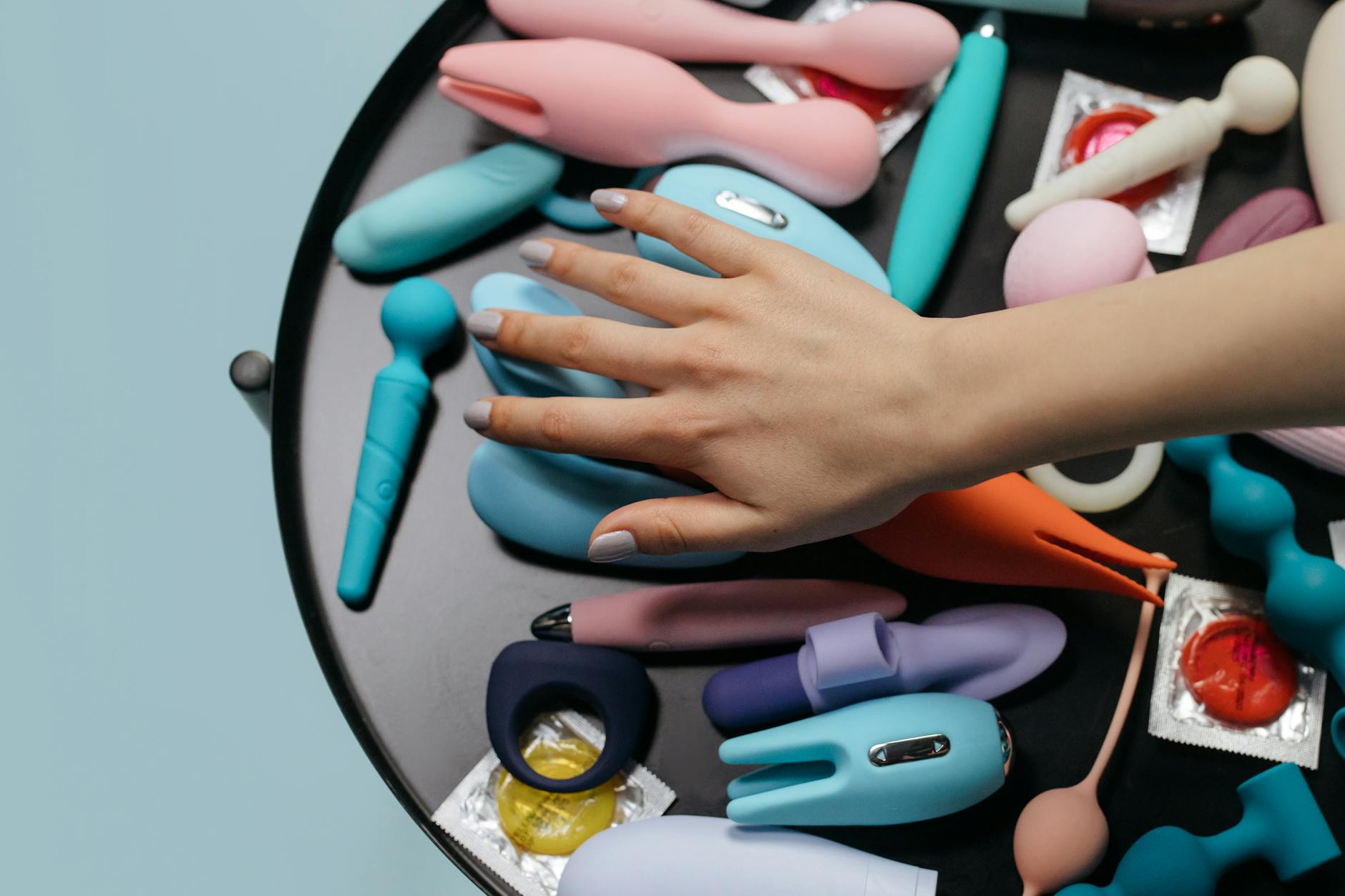
Photo by cottonbro studio on Pexels
Why clitoral vibrators help when sensation is muted
Clitoral vibrators, especially lemon vibrators that use air-suction technology, work differently than traditional vibration. Air-suction stimulation bypasses the need for your nervous system to build arousal gradually. It delivers consistent, concentrated stimulation directly to the clitoral complex. This matters when you're burnt out because your nervous system doesn't have to do the heavy lifting.
Here's the mechanism. When you use a lemon clitoral vibrator, the suction creates a rhythm of stimulation that your nervous system can register even when dopamine is depleted. It's not about force. It's about consistency and specificity. Your clitoris gets clear, unmistakable input. And over time, repeated input actually helps retrain your nervous system to process pleasure again.
It's like turning the volume up so your brain actually hears the signal. Nothing is broken. Your system just needs a stronger input to fire the reward pathway.
The role of nervous system reset
Burnout isn't just exhaustion. It's a state of nervous system dysregulation. Your body is stuck in a protective pattern, even when the immediate stressor is gone. And pleasure is one of the first things to shut down when you're in that state.
The good news: your nervous system is trainable. Gentle, consistent, positive input helps bring it back online. That's why many people find that using a lemon vibrator regularly actually changes how their body responds to touch over time, including touch from a partner.
Here's what happens. You use the vibrator in a low-pressure way, maybe 2-3 times a week. The consistent stimulation sends your nervous system a message: this is safe, this feels good. The repetition helps rebuild the neural pathways for pleasure. It's not instant. But over weeks, many people notice that their general sensation improves. Touch feels less muted. Arousal comes back faster.
When to expect sensation to return
If you're just coming out of a burnt-out phase, don't expect immediate results. Your nervous system needs time to downshift from stress mode. This usually takes 2-4 weeks of consistent lower stress before you notice any shift in sensation.
The timeline varies. Some people feel a difference in 3-4 weeks. Others take 2-3 months. A lot depends on what caused the burnout and whether you're still in that environment. If you're still running on fumes at work or in your relationship, pleasure will stay suppressed. The nervous system prioritizes survival over sensation.
That said, using a lemon clitoral vibrator can help move the timeline along. Regular stimulation is like physical therapy for your pleasure pathways. You're essentially saying to your nervous system: we're safe enough to feel good now.
Practical setup for rebuilding pleasure during recovery
If you're using a lemon vibrator while recovering from burnout, a few things help.
First, don't add pressure. This isn't about achieving orgasm. It's about waking up sensation. Start on the lower settings of whatever clitoral vibrator you're using. The Lem, for example, has multiple intensity levels. Use 1-3, not 5-6. Low, consistent input works better than high intensity when your nervous system is recovering.
Second, give yourself permission to just feel, without a goal. Set 10-15 minutes aside when you're not thinking about anything else. Turn off your phone. No partner present unless they're just being quiet and supportive in the background. Let your body remember what pleasurable sensation is.
Third, use lubricant even if you don't think you need it. Burnout often comes with low arousal, which means less natural lubrication. Water-based lube helps the vibrator glide better and removes any friction that might feel uncomfortable. It also signals to your nervous system that this is a self-care practice, not a performance.

Photo by cottonbro studio on Pexels
When pleasure comes back with a partner
If you have a partner and you're rebuilding pleasure together, the conversation matters. Say something like: "I'm working on reconnecting with sensation. Using a vibrator is part of that. It helps my nervous system remember how to feel pleasure. Would you be comfortable being in the room while I do that sometimes, or would you rather I have private time?"
Many partners feel excluded or worried they're not enough. Setting expectations upfront prevents that. And honestly, watching a partner use a lemon vibrator and come alive again? That often reignites things for both people.
Some couples find that using a lemon clitoral vibrator together, with the partner involved in the decision about settings or timing, becomes a way to reconnect without the pressure of traditional sex. The vibrator becomes a tool for intimacy, not a replacement.
What not to do while recovering
Don't try to force arousal or orgasm as proof that you're better. Burnout recovery isn't linear. You might have a day where sensation comes roaring back, then a week where it feels distant again. That's normal. Your nervous system is recalibrating.
Don't use a vibrator as a productivity hack or another item on your to-do list. This should feel like rest, not work. If you're using it and feeling frustrated or pressured, stop. The goal is to teach your nervous system that pleasure is safe and worth prioritizing, not that it's another obligation.
Don't isolate pleasure from the rest of your recovery. If you're still skipping sleep, eating poorly, or staying in a high-stress environment, using a lemon vibrator won't fix anything. Nervous system recovery is holistic. The vibrator helps. So do sleep, movement, time with people you trust, and reducing actual stressors.
FAQ: Rebuilding pleasure after burnout
How long does it usually take for sensation to come back after burnout?
It depends on the severity and how long you were burnt out. Most people notice small shifts in sensation within 3-4 weeks of lower stress and consistent pleasure practice. Noticeable, meaningful changes often take 2-3 months. If you're still in a high-stress situation, it will take longer. Your nervous system will keep pleasure suppressed as long as it feels like it needs to protect you.
Can using a lemon vibrator actually help retrain my nervous system?
Yes, with consistency. Repeated positive stimulation helps rebuild neural pathways for pleasure. You're essentially practicing feeling good. That repetition trains your nervous system to recognize pleasure as a safe, valuable experience. It's not magic, but it's real neuroscience. Most people report that regular use, over weeks, does improve their general sensation and responsiveness to touch.
Should I use a lemon clitoral vibrator solo or with a partner while recovering?
Both work, but for different reasons. Solo use lets you focus entirely on sensation without any performance pressure or distraction. That's often best when you're first rebuilding. With a partner, the vibrator becomes a tool for reconnection and can help you both feel less alone in the recovery. Many people do both at different times. There's no wrong answer.
What if I still feel nothing even with a vibrator?
That's still part of the process. Your nervous system might need more time to downshift from stress. Try using the vibrator at a lower intensity, or less frequently. Instead of expecting pleasure, just practice noticing any subtle sensation, even if it doesn't feel "good" yet. And if weeks have passed and nothing is shifting, check in with a therapist or doctor. Sometimes burnout is connected to depression or other factors that benefit from professional support.
Is it normal for pleasure to feel different or distant for months after burnout?
Completely normal. Burnout doesn't just affect your mood. It rewires your reward system temporarily. Your clitoris, your nerve endings, your capacity for orgasm are all intact. Your nervous system just needs time to remember that pleasure is a priority again. Patience and consistency help.
Can a partner help by using a lemon vibrator on me?
Absolutely. Many couples find that having a partner use a lemon clitoral vibrator feels less performance-focused than traditional sex. It can feel nurturing, intimate, and reconnecting. Talk about it first. Make sure you're both comfortable. And let your partner know that if sensation feels muted, that's the burnout talking, not anything they're doing wrong.
What comes next
Burnout flattens more than just your to-do list. It silences your nervous system's ability to feel and want. But sensation is trainable. Your body can remember pleasure. A lemon clitoral vibrator, used consistently and gently, helps that rewiring happen faster. The key is patience, low pressure, and permission to rebuild gradually.
If you're still struggling with sensation or arousal weeks into your recovery, reach out. That's what we're here for. Contact Hello Nancy's Lemon Shop to talk through what might help, or check out our buying guide to find the right lemon vibrator for your recovery journey.