Let's be real. Long-term numbness isn't just physical. It's neurological, emotional, and relational all at once. Whether it's been triggered by chronic stress, medications, relationship disconnection, or just years of moving through life on autopilot, your nervous system has learned to dial down sensation as a protective mechanism.
The tricky part? When sensation finally starts to return, most people don't know what to do with it. It can feel overwhelming, unfamiliar, even unwelcome at first. This is completely normal. Your body is relearning a language it hasn't spoken in a long time.
When you're numb for months or years, your brain stops prioritizing pleasure signals. The neural pathways that light up during arousal get quieter. Your clitoris doesn't lose nerve endings. The tissue doesn't forget. But the connection between sensation and pleasure gets foggy. You might feel touch and not recognize it as arousing. You might want pleasure and not be able to access it even when you try.
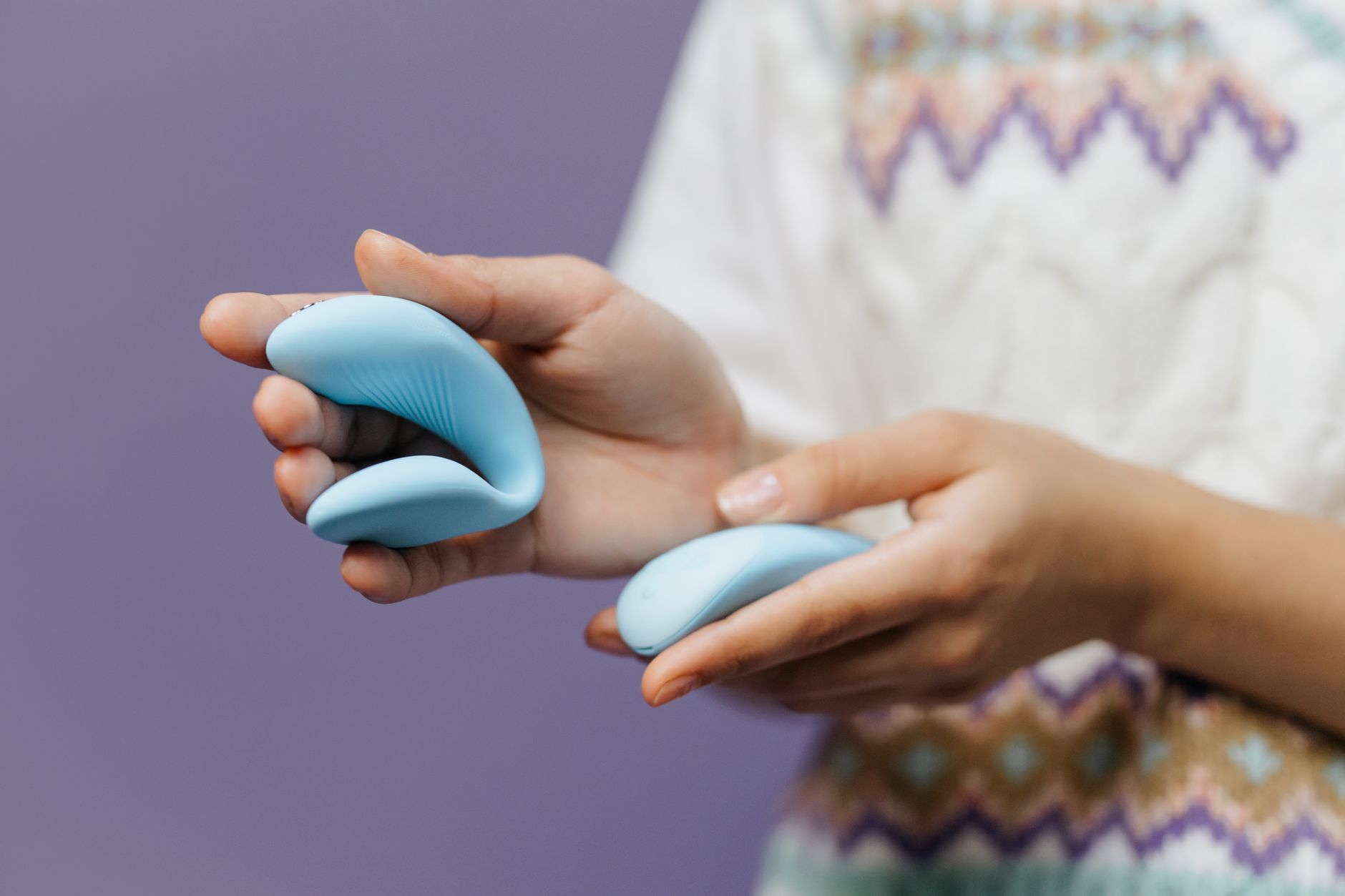
This is why a lemon clitoral vibrator becomes so useful during reawakening. Air-suction technology provides consistent, predictable stimulation that doesn't require your nervous system to "guess" what's happening. It's saying the same thing over and over, clearly, until your brain remembers how to listen.
Here's what I tell my clients who are coming back from long-term numbness. The Lem or other lemon clitoral vibrator has multiple intensity levels for exactly this reason. You're not going to start at pattern 5. You're going to start at pattern 1.
Pattern 1 on a quality lemon sucker vibrator is barely perceptible at first. That's perfect. You're not trying to achieve anything in this first week. You're just reintroducing your nervous system to the idea that sensation can exist without being overwhelming. Spend 5 to 10 minutes with pattern 1, once or twice a week. That's it. The goal isn't orgasm. The goal is familiarity.
Many people who've been numb feel impatient here. They think, "I should jump to a higher setting. I should be able to handle more." But you're asking your nervous system to reverse years of protective shutdown. Patience isn't a luxury. It's the actual pathway back.
Sensation doesn't return in isolation. Your brain matters as much as your body does. If you're exploring sensation recovery while you're in a stressed state, your nervous system will keep its defenses up. You can have a lemon vibrator in hand and still feel nothing if your mind is on deadline emails or relationship conflict.
Some practical steps: set a time when you're unlikely to be interrupted. That might mean a locked door, a specific afternoon when your partner knows you need privacy, or even just telling someone in your house "I need 20 minutes of quiet." Your nervous system needs permission to relax into pleasure. Permission looks like safety.
If you're with a partner, you might tell them what you're doing and why. "I'm reconnecting with my body. I might not be interested in shared sexual time yet, but I want to rebuild my own sensation." A partner who understands this is supporting you in something real and important. If a partner pressures you to move faster, that's its own kind of numbness-generator. Mismatched pleasure expectations can complicate reconnection. You don't have to manage their timeline right now.
When you've been numb, tissue sometimes feels dry even if it's not. Or it might actually be dry because arousal responses have been slow to wake up. Water-based lubricant is your friend here, not because anything is wrong with you, but because it reduces friction and lets sensation be the focus instead of discomfort.
Apply lube generously before you start. This isn't stingy. The more comfortable your tissue is, the safer your nervous system feels, and the more available your brain becomes to sensation. Some people with long-term numbness find that the first few sessions are more about lube and positioning than stimulation. That's work too. You're building the physical conditions for sensation to exist.
After a week or two of pattern 1, you might move to pattern 2. Or you might stay with pattern 1 for a month. There's no timeline. Some people take six weeks to get comfortable with anything above pattern 3. Others move faster. The metric isn't speed. It's whether sensation feels available to you without feeling scary.
When you do move to a higher pattern, notice what changes. Does it feel pleasant? Intense? Overwhelming? Too much? This feedback is important. You're learning your own pleasure baseline again, and every session teaches you something about what your nervous system can hold.
As sensation returns, emotions often come with it. You might feel sadness about the time you lost to numbness. You might feel grief that pleasure got locked away. You might feel anger at whatever caused the disconnection. These feelings are part of the reawakening. They're not a sign you're doing it wrong.
Some people find that using a lemon clitoral vibrator opens up conversations with themselves they haven't had in years. "What am I actually feeling? What do I actually want?" These questions don't have fast answers. They need space.
If you're reawakening sensation after relationship disconnection, you might also be working on reconnection with a partner at the same time. Rebuilding physical connection after distance is its own kind of work. Solo sensation recovery and partnered reconnection aren't the same conversation, even though they overlap.
If at any point sensation doesn't feel safe, pause. Not forever. Just until you can figure out what's happening. Sometimes numbness is protecting you from something. A good therapist can help you understand what that something is.
Similarly, if you're reawakening sensation and experiencing pain, that's worth discussing with a doctor. Pain isn't sensation. It's a different signal. Vaginal dryness and tissue thinning are real things that sometimes need topical treatment alongside pleasure exploration. That's not a failure. That's just accurate information about your body's needs right now.
Progress after long-term numbness doesn't look like "I had an orgasm." It looks like "I felt something." It looks like "I wanted to do this for myself." It looks like "I noticed pleasure without immediately thinking I was doing it wrong." It looks like "I spent 20 minutes with myself and didn't feel empty afterward."
These are the real markers. Orgasm might come back. It might feel different when it does. Some people discover that their most powerful orgasms come after reawakening, because they're happening in a nervous system that's chosen to feel again, not one that's performing.
I know patience feels slow when you're trying to reclaim part of yourself. But your nervous system doesn't rush. It learns through repetition, safety, and consistency. A few minutes with a lemon vibrator once or twice a week, sustained over weeks, will teach your body something that forced intensity never will.
You're not broken. You're rebooting. That takes time. And it's worth it.
There's no universal timeline. Some people notice subtle shifts in the first two to three weeks. Others take two to three months before arousal feels genuinely accessible. Factors include what caused the numbness, whether stress is ongoing, medication side effects, and how consistently you're exploring sensation. The important variable is consistency, not intensity. Someone using a lemon clitoral vibrator gently twice a week for eight weeks will often experience more reawakening than someone who pushes hard once a month.
Yes, it can, but usually only if the original stress or trigger returns without being addressed. If you've reawakened sensation and then face a new period of severe stress or hormonal change, numbness might return. This isn't a failure or a setback. It's your nervous system protecting you again. You already know how to reawaken once. You can do it again. The pathway is there.
That depends on your relationship and your comfort level. Some people prefer to handle reawakening privately because it's deeply personal. Others find that partner support helps. There's no right answer. What matters is that you're not hiding something that affects shared intimacy. If you're rebooting solo sensation but avoiding partnered sexuality, your partner deserves to understand why, even if you don't want them involved in the solo part.
It will feel different. Years of numbness change your nervous system. The reawakened sensation isn't inferior. It's just new. Some people find that sensation after numbness is actually more intense and clear because they're noticing it consciously instead of taking it for granted. Give yourself permission to experience it as it actually is, not as you remember it being.
Yes. In fact, lemon vibrators and other adult toys are often used alongside treatment for medication-related sexual side effects. What you shouldn't do is stop your medication to regain sensation. Talk to your doctor about whether adjusting timing, dose, or medication type might help, while you're separately working on sensation recovery with a lemon clitoral vibrator. Both can happen together.
Pushing too hard feels like frustration, overwhelm, or numbness getting worse. Moving at the right pace feels like curiosity. Gentle. Sometimes boring. You might think, "This is doing nothing," and that's often exactly the right sign that you're at the right intensity. Your nervous system is learning to notice sensation without activating a protective alarm. That learning is quiet.