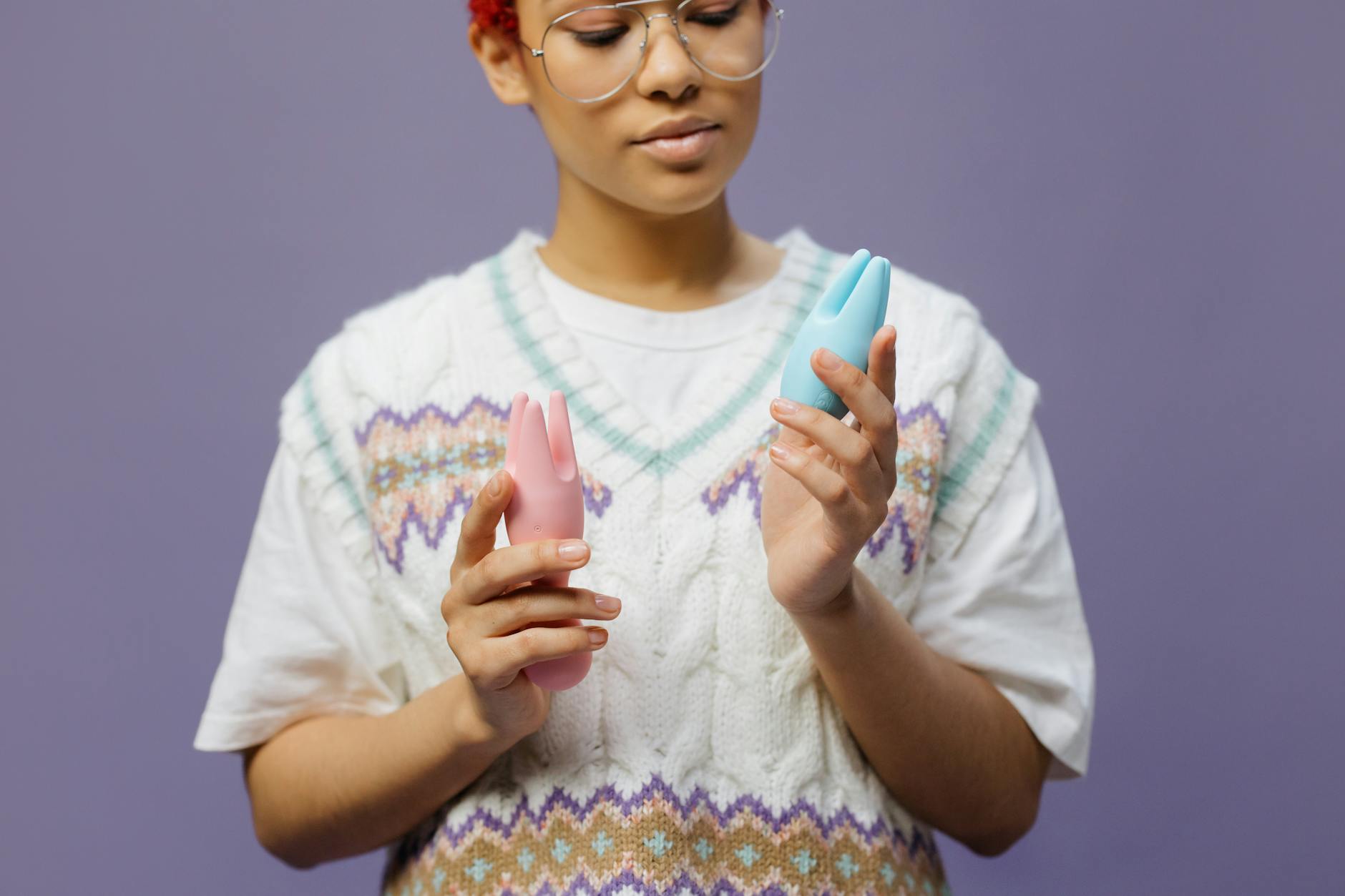
Here's what nobody tells you about postpartum pleasure
Postpartum recovery isn't just about your stitches healing or your hormones leveling out. It's about rediscovering what pleasure feels like in a body that's been through something massive. And honestly, that body often feels foreign. If you've cleared the medical go-ahead for sex and tried your old toys, you might have noticed they feel different. Overstimulating. Too much. Just wrong.
That's not a sign you're broken. It's a sign your nervous system and tissues need something different right now.
What changes physically after birth
Your pelvic floor went to war and it's still demobilizing. Even if you didn't tear, even if you had a cesarean, your entire pelvic region is remodeling itself. Nerve sensitivity is heightened. Tissue is still healing. Blood flow is redirecting itself as hormones shift post-delivery. Breastfeeding (if you're doing it) drops estrogen further, which thins vaginal tissue and reduces natural lubrication.
Traditional vibrators rely on intense, rapid vibration to build sensation. They were designed for bodies that weren't recovering from one of the most demanding physical events possible. They work for those bodies. They often overstimulate recovering ones.
Lemon vibrators work differently. They use pulsed suction and gentler wave patterns instead of aggressive buzz. That distinction matters enormously during this window.
Why suction feels better than traditional vibration postpartum
Think of it this way. Traditional vibrators move side-to-side or up-and-down hundreds of times per second. Your recovering tissues are sensitive enough that this can feel sharp, chaotic, or almost uncomfortable. Suction-based clitoral vibrators like Hello Nancy's lemon sucker design work by creating rhythmic pulses of gentle pressure and release. It's more like a sustained, pulsing sensation rather than rapid percussion.
For postpartum bodies specifically, this means less raw friction against healing tissue and more stimulation through the broader clitoral network. The sensation spreads across nerve endings instead of battering one area. Early recovery clients describe it as "the difference between being poked and being held."
Secondly, suction allows you to control intensity through positioning and pattern selection more intuitively. You're not fighting the vibration. You're moving with it. That agency matters when your body still feels unfamiliar.
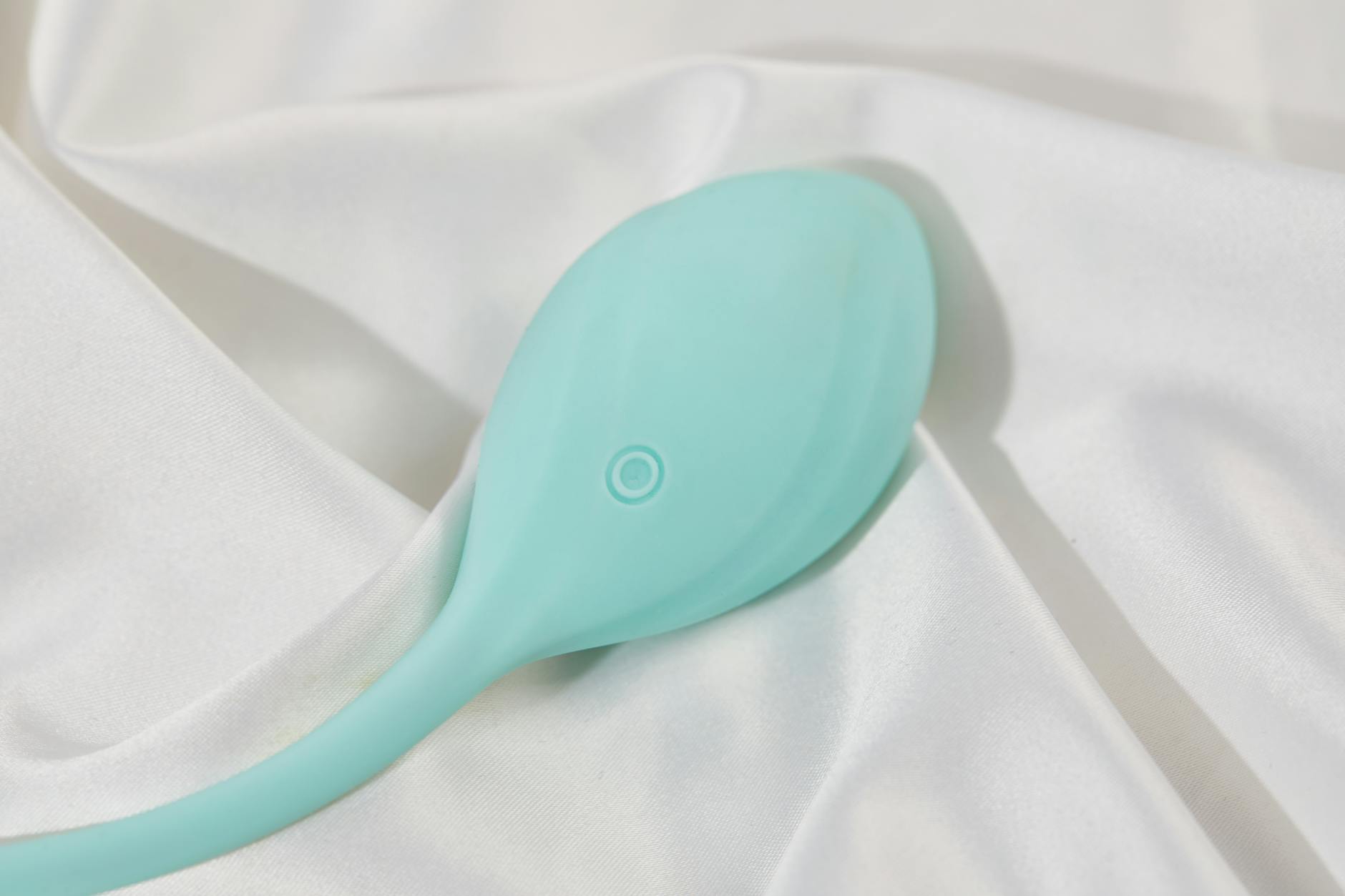
Photo by IFONNX Toys on Pexels
The timeline of what feels good (roughly)
Weeks 2-6 postpartum. You're not ready. Your body is still bleeding, seeping, healing. Skip this window.
Weeks 6-12 after clearance. This is when many people retry intimate touch. If you're going solo, a lemon clitoral vibrator on the lowest patterns becomes relevant here. Gentle exploration. No pressure to orgasm. Just reconnection. Start with external stimulation only. Keep sessions short, fifteen minutes max.
Months 3-6 postpartum. Your body is remembering what pleasure feels like. This is when a lemon vibrator really shines because you're not competing with hypersensitivity anymore, but you still benefit from the gentler suction approach. Many postpartum people find their most intense orgasms come in this window, especially if they've been patient with their own recovery.
After six months. You're not "postpartum" anymore in the recovery sense, but your body has changed. The tissue thickness doesn't return to pre-pregnancy baseline. The pelvic floor rewired itself. This isn't bad. Many people report pleasure feels differently good. Deeper. More full-body. A lemon vibrator that worked during recovery often remains your preference.
The mental piece nobody mentions
Your body made a human and pushed it out. Or surgeons opened you up and removed it. You're running on broken sleep, your breasts might be leaking, your hormones are in free fall, and you're supposed to feel sexy. The logistics alone are enough to kill any desire.
But here's what's real. Many postpartum people report that self-pleasure feels like the one space where their body belongs only to them. Not a feeding machine. Not a comfort object for a baby. Just theirs. That psychological shift is enormous. A lemon vibrator feels gentler and less clinical than your ex-vibrator. That matters psychologically. It says, "I'm taking care of myself, not trying to perform." Small thing. Massive impact.
If you're partnered, they need to understand this is about you reconnecting with your own body, not about them or the relationship. Many postpartum tensions come from confusion on that point. It's separate work.
Practical logistics for early use
Timing. You need at least thirty minutes of child-free time and zero stress about interruption. That's not small. Honestly, this might not be realistic until month three or four. That's fine.
Lubrication. You're drier than you were pre-pregnancy. Use a good water-based lube. Even if tissue feels normal, the postpartum drop in estrogen means you'll appreciate extra glide. It makes the difference between pleasant and uncomfortable.
Pattern selection. Start at level one or two on your lemon vibrator. Go slower than you think you need to. Your pelvic floor is relearning what relaxation means. If you feel any cramping or sharp sensation, stop. Your body will tell you what's too much.
Frequency. Once or twice a week is plenty during early recovery. This isn't about building a habit. It's about gentle reacquaintance.
When to pause and check in with a provider
If you experience pain, bleeding, or increased discharge after using any vibrator, tell your OB. Postpartum bodies are unpredictable. A tool that felt fine one week might trigger unexpected bleeding the next. That's not failure. That's your body giving feedback.
If numbness or lack of sensation persists past month six even with gentle exploration, that's worth discussing with a pelvic floor physical therapist. Nerve healing takes time, but therapists can accelerate it.
If you feel touched out or actively averse to self-pleasure, that's normal postpartum too. You don't have to rush it. Pleasure isn't a deadline. How Lemon Vibrators Help Restore Confidence After Sexual Trauma covers some of those feelings in a different context, but the principles apply.
Why hello nancy's lemon vibrator works for this specifically
A lemon clitoral vibrator uses pulsed suction rather than rapid vibration, which means it's engineered for sensitivity. The suction design doesn't require the intense direct contact that traditional vibrators demand. You can control intensity through pattern choice and positioning. It's quieter, which matters when you're trying to find time alone in a house with a baby. It feels less medical and more like something made for your pleasure specifically.
Those details matter less in an abstract sense and enormously in practice. When your body is tender and your nervous system is recalibrating, the right tool changes everything.
Reconnection is not linear
Your postpartum pleasure journey won't look like anyone else's. Some people feel ready to explore at week eight. Others need a year. Both are normal. Some discover they actually prefer a gentler approach like suction-based clitoral vibrators even after they're no longer in recovery. Others eventually return to their old preferences.
The point isn't to get back to where you were. The point is to move forward into what feels good now. A lemon vibrator meets you there. It's designed for sensitivity and control. It adapts to where your body is, not where it used to be.
Postpartum pleasure isn't about getting your old body back. It's about discovering what your new body is capable of.
People also ask
When is it safe to use a vibrator after giving birth?
Most healthcare providers clear penetrative sex and external stimulation around six weeks postpartum, assuming you've healed well and have no complications. However, "cleared" doesn't mean "ready." Many people need another four to eight weeks before they actually want to explore. Listen to your body, not the calendar. Start with external stimulation only on low settings.
Can lemon vibrators cause bleeding during postpartum recovery?
If your body is still healing, any stimulation that's too intense can trigger spotting or light bleeding. This doesn't mean the vibrator is wrong. It means you went too far too fast. Scale back intensity, shorten sessions, and use more lube. If bleeding continues or increases, pause for a week and contact your OB.
Should I use a vibrator if I'm breastfeeding?
Yes, absolutely. The hormone shift from breastfeeding actually increases sensitivity in some people. Many postpartum people find that exploring their own pleasure improves mood and helps them feel reconnected to their body. Just plan timing around when your breasts are least full and tender, usually right after nursing.
How do lemon vibrators compare to traditional vibrators for postpartum bodies?
Traditional vibrators use rapid vibration that can overstimulate recovering tissue. Lemon vibrators use pulsed suction, which is gentler, allows better control through positioning, and doesn't require intense direct contact. Most postpartum people find suction-based clitoral vibrators more comfortable and enjoyable during the recovery window and beyond.
Is it normal to feel numb or disconnected during postpartum recovery?
Completely normal. Your nervous system has been through a massive event. Numbness or reduced sensation often takes two to six months to resolve, sometimes longer. Gentle, exploratory use of a vibrator can actually help nerve endings reactivate. If numbness persists beyond six months, talk to a pelvic floor physical therapist.
Can I use a vibrator if I had a cesarean delivery?
Yes, once cleared by your OB and if your surgical scar feels healed. A cesarean doesn't involve the pelvic floor in the same way vaginal birth does, but your hormones are still in flux and your nervous system is still recovering. The same principles apply. Start slow, use lube, listen to your body.
Reference and source
Postpartum recovery and sexual function involve complex physiological changes. The information here draws on clinical observations from postpartum specialists, pelvic floor physical therapists, and relationship coaches working with recovering bodies. For personalized guidance specific to your recovery, consult your OB-GYN or a pelvic floor physical therapist. Consider also exploring How Lemon Vibrators Improve Sensitivity After Hormonal Changes for deeper context on how your body's chemistry affects sensation, and How to Use Lemon Vibrators Across Your Cycle for Consistent Pleasure for patterns as you move forward.
For more support navigating intimacy and relationship dynamics during life transitions, reach out to Hello Nancy's contact page—we're here to help.